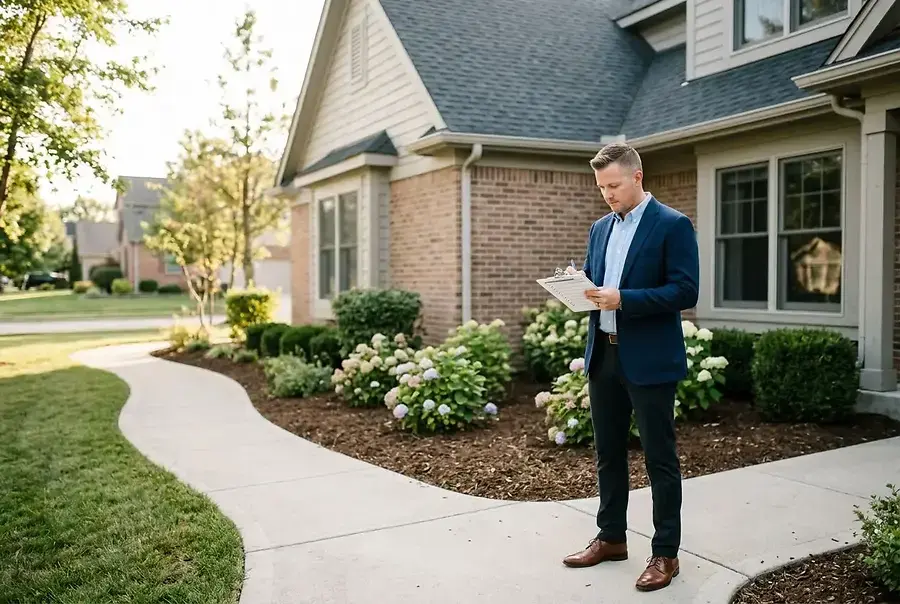
Introduction: Why Home Appraisals Matter More Than You Think
A home appraisal is far more than just a number on a piece of paper—it's a critical factor that determines your home's market value and directly impacts your ability to refinance, sell, or secure favorable loan terms. Whether you're planning to sell your home, refinance your mortgage, or simply want to understand your property's worth, the appraisal process can make or break your financial goals.
Many homeowners underestimate the importance of preparing for an appraisal, only to discover that preventable issues have significantly reduced their home's appraised value. The good news? Most common appraisal problems are entirely avoidable with proper planning and maintenance. By understanding what appraisers look for and addressing potential issues proactively, you can protect your home's value and ensure you get the most accurate assessment possible.
Common Issues That Lower Residential Appraisals
Structural and Foundation Problems
One of the most significant factors affecting home appraisals is the structural integrity of your property. Appraisers conduct thorough inspections for cracks in the foundation, settling issues, or water damage that could indicate deeper structural problems. Even minor foundation cracks can raise red flags and result in a substantially lower appraisal.
Foundation issues are expensive to repair and suggest potential long-term problems, making lenders and appraisers extremely cautious. If you notice any signs of foundation damage, address them immediately before scheduling an appraisal.
Deferred Maintenance and Neglect
Appraisers are trained to identify homes that haven't been properly maintained. Common red flags include:
- Peeling paint or damaged exterior siding
- Roof damage or missing shingles
- Broken windows or damaged doors
- Overgrown landscaping or unkempt yards
- Visible mold or water stains
- Outdated or non-functional HVAC systems
These issues don't just look bad—they signal to appraisers that the home hasn't been cared for properly, which can result in significant value reductions. Regular maintenance is one of the most cost-effective ways to protect your appraisal.
Outdated Systems and Appliances
While you don't need to have the latest and greatest everything, outdated electrical systems, plumbing, or heating systems can negatively impact your appraisal. Appraisers consider whether systems are functional and safe, not just modern. A 40-year-old electrical system that hasn't been updated may be flagged as a safety concern, even if it technically works.
Comparable Property Issues
Appraisers determine value by comparing your home to similar properties recently sold in your area. If comparable homes have sold at lower prices or if there's a surplus of similar homes on the market, your appraisal may be lower than expected. While you can't control the market, understanding your local real estate trends helps set realistic expectations.
Functional Obsolescence
Sometimes homes have design or layout issues that make them less desirable. Examples include:
- Kitchens or bathrooms that are significantly outdated
- Poor floor plans that don't flow logically
- Inadequate storage or closet space
- Rooms that don't serve practical purposes
These issues are harder to fix than simple maintenance, but understanding them helps you price your home realistically.
Preparation Strategies to Maximize Your Home's Appraised Value
Conduct a Pre-Appraisal Home Inspection
Before the official appraisal, hire a professional home inspector to identify potential issues. This gives you the opportunity to address problems proactively rather than having them discovered during the appraisal. A pre-appraisal inspection is one of the best investments you can make to protect your home's value.
Focus on Curb Appeal
First impressions matter significantly in appraisals. The appraiser's initial observations about your home's exterior can influence their entire assessment. Invest in:
- Fresh landscaping and lawn care
- A clean, well-maintained front entrance
- Exterior paint touch-ups or power washing
- Functional gutters and downspouts
- Visible house numbers and a welcoming appearance
Address Critical Repairs Before Appraisal
Prioritize repairs that appraisers care most about. Focus on:
- Roof repairs or replacement if needed
- Foundation issues or water damage
- HVAC system repairs or replacement
- Electrical or plumbing problems
- Structural concerns
These major systems have the biggest impact on appraisals, so addressing them should be your top priority.
Clean and Declutter Thoroughly
A clean home allows appraisers to see the actual condition of your property without distractions. Remove clutter, clean windows, and ensure all rooms are accessible. A spotless home doesn't increase value, but a dirty or cluttered home can negatively influence an appraiser's perception.
Document Recent Improvements
If you've made recent upgrades or repairs, document them with receipts and photos. Appraisers need to know about improvements you've made to properly assess your home's value. Keep a file of:
- New roof installation
- Updated HVAC systems
- Electrical or plumbing upgrades
- Kitchen or bathroom renovations
- New windows or doors
- Structural repairs
Provide Accurate Property Information
Ensure all property information is correct—square footage, number of bedrooms and bathrooms, lot size, and any special features. Inaccurate information can lead to lower appraisals. If you've made additions or renovations that changed the property's characteristics, make sure this is reflected in the official records.
Be Present During the Appraisal
While appraisers work independently, being available to answer questions and point out improvements or special features can be helpful. You can highlight recent repairs, upgrades, or unique features that might not be immediately obvious to the appraiser.
Conclusion: Protecting Your Investment Through Smart Appraisal Planning
Your home is likely one of your most significant investments, and protecting its value should be a priority. By understanding common appraisal issues and taking proactive steps to address them, you can ensure that your home receives a fair and accurate appraisal.
The key to success is planning ahead. Don't wait until you're ready to sell or refinance to address maintenance issues. Regular upkeep, timely repairs, and strategic improvements throughout your homeownership will keep your property in top condition and protect its value for years to come.
Remember: the best time to prevent appraisal issues is before they become problems. By staying on top of maintenance, addressing repairs promptly, and preparing strategically for appraisals, you'll maximize your home's value and protect your investment.