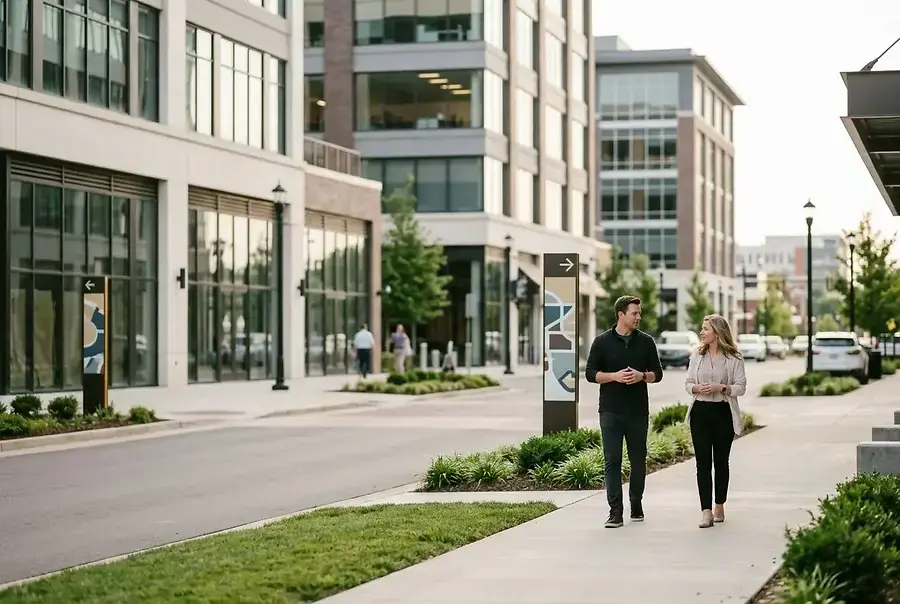
Understanding Huntsville's Commercial Zoning Districts and Classifications
Huntsville's commercial zoning landscape is designed to support diverse business activities while maintaining community standards and sustainable growth. The city employs a comprehensive zoning classification system that categorizes commercial properties into distinct districts, each with specific regulations and permitted uses.
Primary Commercial Zoning Districts
The city features several key commercial zoning categories that serve different business purposes. General Commercial (C-1) zones are typically located in established neighborhoods and support retail shops, restaurants, and service businesses. Highway Commercial (C-2) districts are positioned along major corridors and accommodate larger retail operations, automotive services, and commercial establishments that benefit from high visibility and traffic flow.
Central Business District (CBD) zones form the heart of Huntsville's downtown area, promoting mixed-use development with office spaces, retail, and residential components. Professional Office (O-1) zones are designated for medical offices, law firms, and professional services that require a more controlled, quieter environment.
Permitted Uses and Restrictions
Each zoning district comes with a detailed list of permitted uses, conditional uses, and prohibited activities. Understanding these distinctions is crucial for property owners and developers:
- Permitted Uses: Activities allowed by right without special approval
- Conditional Uses: Activities allowed with special permits and conditions
- Prohibited Uses: Activities strictly forbidden in specific zones
Property owners must verify that their intended business operations align with their zone's permitted uses before making significant investments or renovations.
How Zoning Regulations Affect Property Value and Development Potential
Impact on Property Valuation
Zoning classifications directly influence commercial property values in Huntsville. Properties in high-traffic commercial corridors with flexible zoning typically command premium prices due to their development potential and visibility. Conversely, properties in restricted zones may have lower values but offer stability and predictability for specific business types.
Zoning flexibility is a valuable asset. Properties zoned for multiple compatible uses or located in mixed-use districts often appreciate faster as market demands evolve. Investors should carefully analyze zoning designations when evaluating potential acquisitions, as they fundamentally determine what can be built or operated on a property.
Development Potential and Expansion Opportunities
The zoning classification of a property determines its development ceiling. A property zoned for single-story retail cannot be developed into a multi-story office complex without a zoning change. Understanding these limitations helps investors set realistic expectations and plan accordingly.
Huntsville's zoning code also includes provisions for density bonuses and incentive zoning in certain districts, allowing developers to exceed standard requirements in exchange for providing community benefits such as affordable housing, public spaces, or green infrastructure.
Long-Term Market Considerations
Commercial zoning patterns shape neighborhood character and long-term market trends. Areas with well-planned, mixed-use zoning tend to attract diverse businesses and maintain stronger economic vitality. Investors should consider how zoning patterns in surrounding areas might influence their property's future value and marketability.
Navigating the Zoning Approval Process for Commercial Projects
Pre-Development Planning and Zoning Verification
Before investing in a commercial property or proposing development, conduct thorough zoning research. Huntsville's Planning Department provides detailed zoning maps and ordinances available online. Schedule consultations with city planners to clarify permitted uses and identify any potential restrictions affecting your project.
Key steps in the pre-development phase include:
- Obtaining a zoning verification letter from the city
- Reviewing current land use and zoning maps
- Identifying any overlay districts or special regulations
- Consulting with the Planning Department about your specific project
Zoning Variance and Conditional Use Permits
If your proposed use doesn't align with current zoning, you may pursue a zoning variance or conditional use permit. A variance requests relief from specific zoning requirements due to unique property circumstances. A conditional use permit allows otherwise prohibited uses if certain conditions are met.
Both processes require formal applications, public hearings, and approval from the Zoning Board of Appeals or City Council. Success depends on demonstrating that your project won't negatively impact the surrounding community and that it serves the public interest.
The Approval Timeline and Process
The zoning approval process typically involves multiple stages:
- Application Submission: Submit detailed plans and supporting documentation
- Staff Review: City planners evaluate compliance and community impact
- Public Notice: Neighbors and stakeholders are notified of the proposal
- Public Hearing: Opportunity for community input and questions
- Board Decision: Zoning Board or Council votes on the request
- Appeal Period: Time for appeals if the decision is contested
Plan for 60 to 120 days for standard approvals, though complex projects may require longer. Working with experienced commercial real estate attorneys and planning consultants can streamline this process and improve approval odds.
Best Practices for Successful Zoning Applications
Successful zoning applications share common characteristics. Thorough documentation demonstrating compliance with city standards is essential. Engage with neighbors early to address concerns and build community support. Present clear, professional plans showing how your project benefits the area.
Professional guidance from experienced consultants familiar with Huntsville's specific zoning culture and decision-making patterns significantly increases approval success rates.
Conclusion: Making Informed Commercial Real Estate Decisions
Huntsville's commercial zoning regulations create both opportunities and constraints for business real estate investors and developers. Success requires thorough understanding of zoning classifications, careful property selection, and strategic navigation of approval processes.
Before committing to any commercial real estate investment or development project, invest time in understanding the zoning landscape. Consult with city planners, review zoning ordinances, and consider working with experienced professionals who understand Huntsville's specific regulatory environment.
By approaching commercial real estate decisions with zoning awareness and strategic planning, you can identify properties with strong development potential, avoid costly mistakes, and position your business for long-term success in Huntsville's dynamic commercial market.