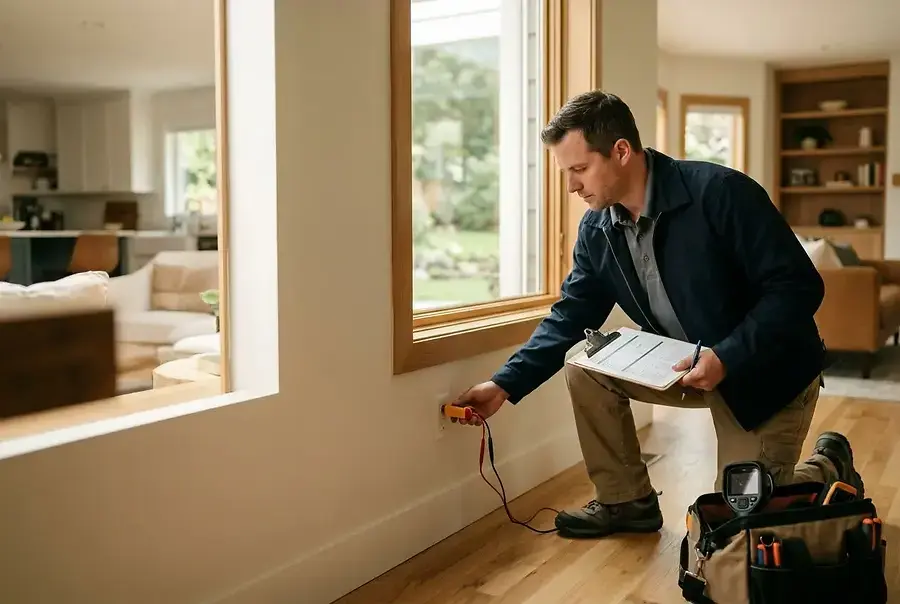
Why Pre-Sale Home Inspections Matter to Your Bottom Line
Selling your home is one of the most significant financial decisions you'll make. While many sellers focus on curb appeal and staging, the reality is that what lies beneath the surface often determines whether a buyer walks away or makes an offer. A professional home inspection can reveal issues that dramatically impact your sale price and timeline.
Buyers today are more informed than ever. They hire inspectors to uncover problems that could cost thousands to repair after purchase. If major issues are discovered during inspection, you'll face one of three outcomes: renegotiation of the sale price, requests for repairs before closing, or a lost sale entirely. The best strategy is to identify and address these issues proactively before listing.
By investing in pre-sale repairs, you gain several advantages: increased buyer confidence, faster closing timelines, and the ability to command a higher asking price. This approach transforms potential deal-breakers into selling points.
Common Deal-Breaking Issues Buyers Look For During Inspections
Roof and Structural Problems
The roof is one of the first things inspectors evaluate. Missing shingles, leaks, or a roof nearing the end of its lifespan can be a major red flag. Buyers know that roof replacement can cost $10,000 to $25,000 or more, making this a critical concern. Similarly, structural issues like foundation cracks, water damage, or wood rot signal expensive problems ahead.
HVAC System Failures
Heating and cooling systems are essential in most climates. An aging or non-functional HVAC system can cost $5,000 to $15,000 to replace. Inspectors will test these systems thoroughly, and buyers will factor replacement costs into their offers if issues are found.
Electrical and Plumbing Deficiencies
Outdated electrical panels, faulty wiring, or plumbing issues create safety concerns and liability worries for buyers. These systems are expensive to overhaul, and inspectors scrutinize them carefully. Corroded pipes, slow drains, or water pressure problems are common deal-breakers.
Water Damage and Mold
Water intrusion is one of the most serious issues in home inspections. Whether from a leaky roof, poor drainage, or plumbing failures, water damage can lead to mold growth and structural deterioration. Buyers fear the hidden costs and health implications, making this a major negotiation point.
Pest Infestations
Evidence of termites, rodents, or other pests can derail a sale. These infestations suggest ongoing maintenance issues and potential structural damage. Professional pest inspections and treatment are often required before closing.
Strategic Repairs That Deliver Maximum ROI Before Your Home Goes on the Market
Prioritize High-Impact, Cost-Effective Fixes
Not all repairs are created equal. Focus on issues that offer the best return on investment. Studies show that certain repairs recoup 50-100% of their cost at sale, while others barely break even. Prioritize:
- Roof repairs: A new roof or significant repairs can recoup 60-70% of costs and prevent buyer concerns
- HVAC maintenance: A well-functioning system is essential; repairs recoup 50-60% of costs
- Plumbing fixes: Addressing leaks and upgrading outdated pipes recoup 40-50% of costs
- Electrical updates: Bringing systems up to code recoup 40-50% of costs
- Water damage remediation: Fixing leaks and addressing mold recoup 50-80% of costs
Get a Pre-Sale Inspection
Before listing, hire a professional home inspector to identify issues. This gives you control over the narrative and allows you to address problems on your timeline and budget. You'll know exactly what buyers will discover and can plan accordingly.
Address Safety Issues First
Prioritize repairs that affect safety and functionality. Electrical hazards, gas leaks, structural problems, and water damage should be fixed immediately. These issues are non-negotiable for most buyers and inspectors.
Consider Strategic Cosmetic Updates
While major repairs take priority, don't overlook cosmetic improvements that enhance perceived value. Fresh paint, updated fixtures, and clean landscaping create positive first impressions and can offset concerns about minor wear and tear.
Document All Repairs
Keep detailed records of all work completed, including receipts, warranties, and contractor information. This documentation builds buyer confidence and justifies your asking price. It shows you've maintained the property professionally.
Be Transparent About Remaining Issues
If you choose not to repair certain items, disclose them honestly. Many buyers prefer to handle minor repairs themselves, and transparency prevents inspection surprises that could kill the deal.
Honesty builds trust, and trust leads to faster sales.
Positioning Your Home as Move-In Ready to Close Faster
The goal of pre-sale repairs isn't perfection—it's confidence. Buyers want to know they're purchasing a home that won't surprise them with expensive problems. When your home passes inspection without major red flags, you eliminate the biggest obstacle to closing.
Homes that are move-in ready typically sell faster and for higher prices. You'll attract serious buyers who are ready to commit, and you'll avoid the back-and-forth negotiations that delay closings and create uncertainty.
By identifying and fixing common issues before listing, you're not just making repairs—you're making an investment in your home's marketability. You're removing objections, building buyer confidence, and positioning yourself for a successful sale. In today's competitive market, this proactive approach can be the difference between a quick sale at your asking price and a prolonged listing with price reductions.
Start with a professional pre-sale inspection, prioritize high-impact repairs, and document everything. Your future self—and your bank account—will thank you when your home sells quickly and for top dollar.