Understanding How Professional Appraisals Work
A home appraisal is an independent, unbiased assessment of your property's fair market value. Whether you're refinancing, selling, or disputing property taxes, understanding how appraisals work is essential for making informed real estate decisions.
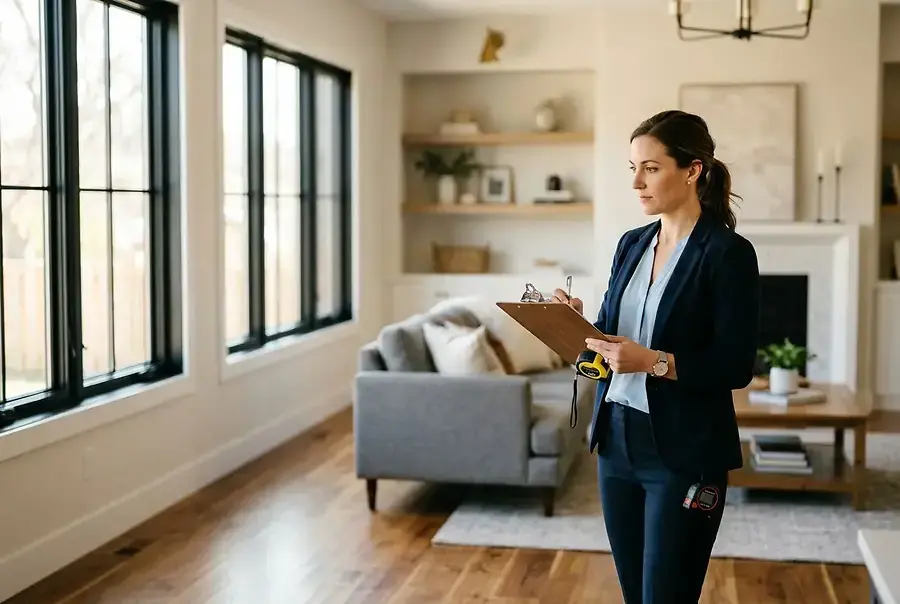
Professional appraisers are licensed experts who evaluate your home using standardized methods and industry knowledge. They conduct a thorough inspection of your property, both inside and out, examining structural integrity, systems, and overall condition. The appraiser then compares your home to recently sold comparable properties in your area, adjusting for differences in size, age, location, and features.
The Appraisal Process Step-by-Step
The typical appraisal process follows a structured approach:
- Initial inspection: The appraiser walks through your entire home, documenting room dimensions, materials, and condition
- Exterior evaluation: They assess the roof, foundation, landscaping, and overall curb appeal
- Systems check: HVAC, electrical, plumbing, and other major systems are evaluated for functionality
- Comparable analysis: The appraiser researches similar homes that sold recently in your neighborhood
- Final report: A detailed written appraisal report is prepared with photographs and supporting documentation
This comprehensive evaluation typically takes 1-2 hours on-site, though the complete report may take several days to prepare.
Key Factors That Impact Your Home's Market Value
Multiple factors influence your home's appraised value. Understanding these elements helps you recognize where your property stands in the current market.
Location and Neighborhood
Location remains the most significant factor in home valuation. Properties in desirable neighborhoods with good schools, low crime rates, and convenient access to amenities command higher prices. Proximity to employment centers, public transportation, and recreational facilities also affects value significantly.
Property Size and Layout
Square footage directly impacts appraisal value, but so does how that space is utilized. Functional layout, adequate storage, and efficient floor plans are highly valued. Homes with awkward designs or poor flow may appraise lower despite similar square footage to comparable properties.
Age and Condition
While newer homes often appraise higher, well-maintained older homes can hold their value exceptionally well. The key is condition—recent updates to roofs, HVAC systems, plumbing, and electrical work significantly boost appraisals. Deferred maintenance and visible wear reduce value substantially.
Upgrades and Improvements
Strategic renovations yield strong returns on appraisal value. Kitchen and bathroom updates, energy-efficient windows, modern appliances, and updated flooring are particularly impactful. However, highly personalized upgrades may not add proportional value.
Market Conditions
The broader real estate market influences appraisals. In a seller's market with high demand and limited inventory, comparable sales prices rise, elevating appraisals. Conversely, buyer's markets may result in lower valuations as comparable sales decrease.
Special Features and Amenities
Unique features like:
- Swimming pools or hot tubs
- Finished basements or bonus rooms
- Decks, patios, or outdoor living spaces
- Smart home technology
- Energy-efficient systems
- Garages or additional parking
These amenities can significantly increase appraised value when they're well-maintained and appeal to the local market.
Preparing Your Home to Maximize Its Appraisal
While you can't change your home's location or age, you can optimize its condition and presentation for appraisal day.
Curb Appeal Matters
First impressions count. Ensure your landscaping is neat and well-maintained, the exterior is clean, and the front entrance is inviting. Fresh paint, clean windows, and a tidy yard signal that the home is well-cared for.
Interior Presentation
Clean, organized spaces photograph better and appraise higher. Deep clean your home before the appraiser arrives. Remove clutter, repair obvious damage, and ensure all systems are functioning properly. Good lighting and neutral décor help appraisers focus on the property's features rather than personal style.
Document Your Improvements
Keep records of all renovations, repairs, and upgrades you've completed. Provide the appraiser with documentation of new roofs, HVAC systems, electrical work, or other significant improvements. This evidence supports higher valuations.
Address Obvious Issues
Fix minor problems before appraisal day. Repair leaky faucets, replace broken light fixtures, patch drywall, and address any visible damage. These small fixes prevent the appraiser from noting deficiencies that could reduce your home's value.
Highlight Unique Features
Point out special features or recent upgrades during the appraisal. If you've installed energy-efficient systems, updated appliances, or added smart home technology, mention these improvements. The appraiser may not notice every upgrade without guidance.
Conclusion: Using Appraisal Insights to Guide Your Real Estate Decisions
Understanding your home's true market value empowers you to make confident real estate decisions. Whether you're considering selling, refinancing, or simply curious about your property's worth, a professional appraisal provides objective, data-driven insight.
Remember that appraisals serve different purposes—a lender's appraisal for a mortgage differs from a tax assessment or a pre-sale appraisal. Each provides valuable information for specific situations.
By understanding the appraisal process, recognizing the factors that influence value, and preparing your home strategically, you position yourself to achieve the best possible valuation.
Take time to maintain your property, document improvements, and stay informed about your local real estate market. These proactive steps ensure that when an appraisal occurs, your home's true value is accurately reflected and recognized.