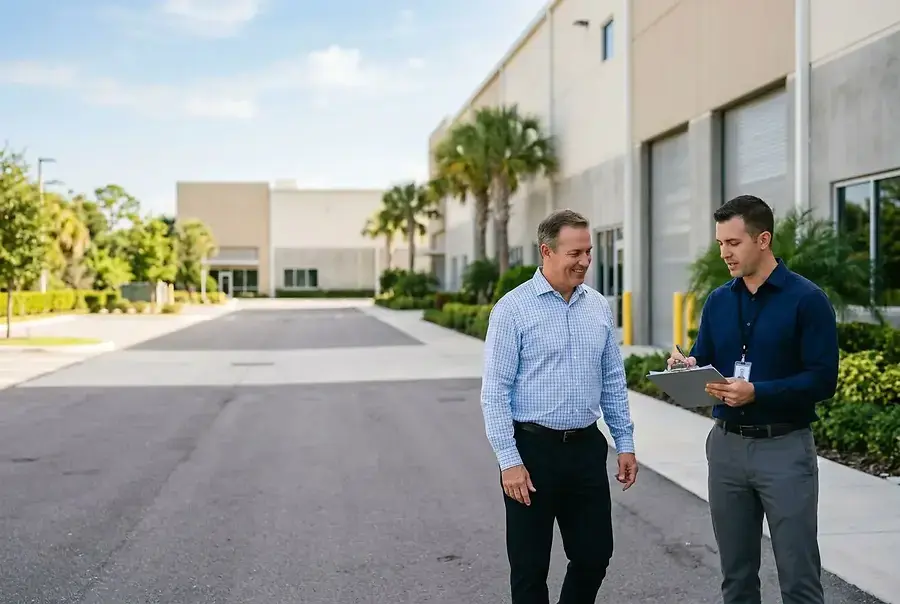
Introduction: The Critical Role of Professional Property Management
Industrial property management in Southwest Florida represents a unique blend of challenges and opportunities. The region's booming commercial sector, spanning Fort Myers, Port Charlotte, and Bonita Springs, demands sophisticated operational expertise and a deep understanding of local market dynamics. Professional property management isn't merely about collecting rent—it's about creating a thriving ecosystem where tenants succeed, properties appreciate, and investors realize maximum returns.
The stakes are high. A well-managed industrial property can generate consistent cash flow and appreciate significantly over time, while poorly managed facilities face tenant turnover, compliance issues, and diminished asset value. This comprehensive guide explores the best practices that separate exceptional property managers from the rest.
Key Operational Systems and Tenant Relations
Implementing Robust Communication Protocols
Effective communication forms the foundation of successful property management. Establish clear channels for tenant inquiries, maintenance requests, and lease-related matters. Responsive communication builds trust and reduces conflicts before they escalate. Consider implementing a digital portal where tenants can submit requests, track maintenance progress, and access important documents.
Key communication best practices include:
- Responding to tenant inquiries within 24 hours
- Providing regular property updates and newsletters
- Scheduling quarterly tenant meetings to address concerns
- Maintaining detailed records of all communications
- Offering multiple contact methods (phone, email, online portal)
Lease Management and Tenant Screening
The quality of your tenants directly impacts your property's success. Thorough tenant screening protects your investment and ensures stable, long-term occupancy. Implement comprehensive background checks, credit reviews, and business verification processes before signing any lease agreement.
Develop clear, detailed lease agreements that specify:
- Rent payment schedules and late fees
- Maintenance responsibilities and expectations
- Insurance and liability requirements
- Permitted uses and operational restrictions
- Renewal terms and exit procedures
Regular lease reviews ensure your agreements remain competitive and protective. As market conditions shift, updating lease terms helps maximize revenue while maintaining tenant satisfaction.
Financial Management and Revenue Optimization
Sound financial practices are essential for long-term profitability. Maintain separate accounts for operating expenses, reserves, and tenant deposits. Transparent financial reporting builds investor confidence and supports informed decision-making.
Implement these financial management strategies:
- Track all income and expenses meticulously
- Establish a contingency reserve (typically 10-15% of annual revenue)
- Review rent rates annually against market comparables
- Monitor accounts receivable and follow up on late payments promptly
- Provide detailed monthly and annual financial reports to property owners
Maintenance, Compliance, and Risk Mitigation
Preventive Maintenance Programs
Preventive maintenance extends property life, reduces emergency repairs, and maintains tenant satisfaction. Develop a comprehensive maintenance schedule addressing HVAC systems, roofing, parking areas, landscaping, and structural elements.
A dollar spent on preventive maintenance saves five dollars in emergency repairs.
Create a maintenance calendar that includes:
- Monthly inspections of common areas and building systems
- Quarterly HVAC filter changes and system checks
- Semi-annual roof and gutter inspections
- Annual comprehensive building assessments
- Seasonal preparations for weather-related concerns
Regulatory Compliance and Safety Standards
Southwest Florida's industrial properties must comply with federal, state, and local regulations. Stay current with building codes, environmental standards, ADA requirements, and fire safety regulations. Non-compliance exposes property owners to significant liability and financial penalties.
Essential compliance measures include:
- Regular safety inspections and hazard assessments
- Proper documentation of all inspections and repairs
- Environmental compliance for properties with special uses
- Fire suppression system maintenance and certification
- ADA accessibility audits and necessary modifications
- Insurance policy reviews to ensure adequate coverage
Risk Management and Insurance Strategy
Comprehensive insurance protects your investment against unforeseen events. Work with insurance professionals familiar with industrial properties to ensure adequate coverage for property damage, liability, loss of rent, and environmental concerns.
Review insurance policies annually and adjust coverage based on property improvements, market value changes, and evolving risk factors. Document all property conditions through regular photography and video to support insurance claims if needed.
Conclusion: Building Long-Term Value Through Excellence
Industrial property management in Southwest Florida requires a multifaceted approach combining operational excellence, tenant-focused service, and proactive risk management. Properties that excel in these areas attract quality tenants, command premium rents, and appreciate steadily over time.
Success demands ongoing education about local market trends, regulatory changes, and industry innovations. Property managers who commit to continuous improvement and professional development deliver superior results for their investors and create thriving commercial communities.
By implementing these best practices—from robust communication systems to preventive maintenance programs—you position your Southwest Florida industrial properties for sustained profitability and long-term value creation. The investment in professional management practices pays dividends through reduced vacancy rates, improved tenant retention, and enhanced property values that benefit all stakeholders.