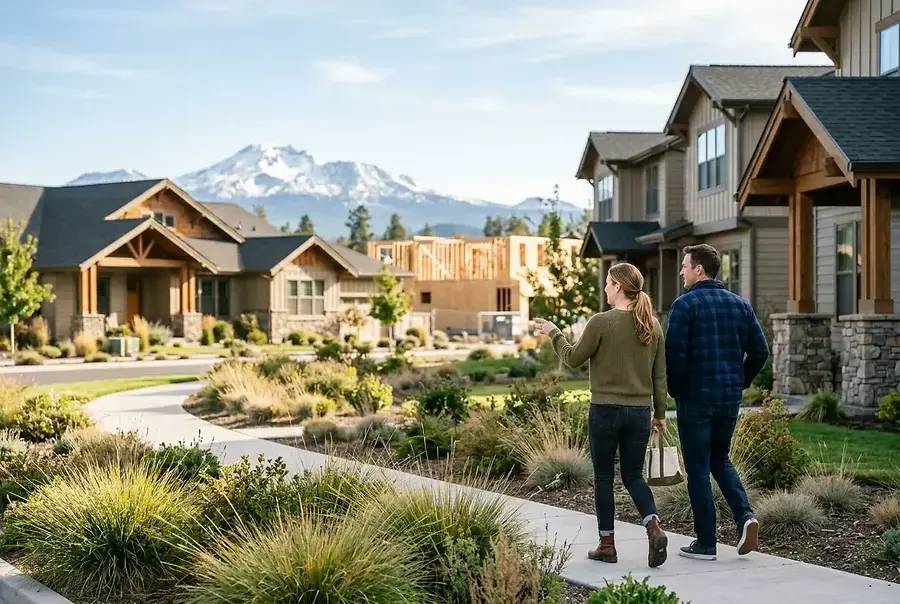
Why Bend Attracts Smart Residential Investors
Bend, Oregon has emerged as one of the Pacific Northwest's most compelling residential investment markets. The city's combination of outdoor recreation, quality of life, and steady population growth creates a unique opportunity for investors seeking reliable returns. Unlike volatile coastal markets, Bend offers a more balanced approach to real estate appreciation with strong rental demand fundamentals.
The region's appeal extends beyond lifestyle factors. Tech companies, remote workers, and young families continue to relocate to Bend, driving consistent demand for both single-family homes and multi-unit properties. This demographic shift has created a favorable environment for residential investors looking to capitalize on long-term appreciation and steady cash flow.
Analyzing ROI: Key Metrics and Market Indicators
Understanding Cap Rates and Cash-on-Cash Returns
When evaluating Bend residential properties, focus on two critical metrics: capitalization rates and cash-on-cash returns. Cap rates in Bend typically range from 4.5% to 6.5%, depending on property type and location. These rates reflect the annual return on your investment relative to the property's purchase price.
Cash-on-cash returns measure the actual cash flow generated annually compared to your initial cash investment. In Bend's market, well-positioned rental properties often deliver 6% to 8% cash-on-cash returns, making them attractive compared to traditional investment vehicles.
Market Appreciation and Long-Term Growth
Bend's residential market has demonstrated consistent appreciation over the past several years. Properties in desirable neighborhoods have appreciated at rates of 3% to 5% annually. This appreciation, combined with mortgage paydown through tenant rent, creates powerful wealth-building potential for patient investors.
Key indicators to monitor:
- Median home prices and year-over-year trends
- Days on market for comparable properties
- Rental rate growth and vacancy rates
- Population growth and employment trends
- New construction activity and development patterns
Top-Performing Neighborhoods and Property Types for Investment
Northwest Bend: Premium Growth Corridor
Northwest Bend, particularly areas near the Old Mill District, represents the market's strongest growth corridor. This neighborhood attracts young professionals and families seeking walkable, amenity-rich living. Properties here command premium rental rates and experience strong appreciation. Single-family homes in this area typically yield 5% to 6% cap rates, while newer multi-family developments offer slightly higher returns.
Downtown and Old Town: Urban Living Appeal
Bend's downtown core continues its revitalization, attracting investors seeking urban-focused properties. Smaller multi-unit buildings and converted historic properties perform exceptionally well in this neighborhood. The strong tourism industry and local business growth support higher rental rates, with some properties achieving 6% to 7% cap rates.
South Bend: Value and Stability
South Bend offers more affordable entry points for investors while maintaining solid fundamentals. This area appeals to families and working professionals, creating stable, long-term tenant bases. While appreciation may be slightly slower than premium neighborhoods, the lower acquisition costs and consistent rental demand make this area ideal for cash flow-focused investors.
Property Types: Single-Family vs. Multi-Unit
Single-Family Rentals: These properties offer simplicity and appeal to owner-occupant buyers, supporting strong resale potential. They typically appreciate faster than multi-unit properties but may have lower cap rates due to higher purchase prices. Single-family homes work well for investors seeking long-term appreciation with moderate cash flow.
Multi-Unit Properties: Duplexes, triplexes, and small apartment buildings deliver higher cap rates and stronger cash flow. These properties benefit from economies of scale in management and maintenance. Multi-unit investments are ideal for investors prioritizing current income and portfolio diversification.
Vacation Rental Properties: Bend's tourism market supports short-term rental properties with exceptional returns. Properties in desirable locations can achieve 8% to 12% cap rates through vacation rental operations. However, these require more active management and carry higher vacancy risk during off-season periods.
Emerging Opportunities
Watch for emerging neighborhoods experiencing infrastructure improvements and new development. Areas undergoing revitalization often provide the best appreciation potential for forward-thinking investors. Properties purchased before major improvements typically see the strongest long-term returns.
Building Your Bend Investment Portfolio
Successful Bend residential investing requires a strategic approach. Start by defining your investment goals: Are you seeking monthly cash flow, long-term appreciation, or a balanced combination? Your answer should guide neighborhood selection and property type choices.
Consider building a diversified portfolio combining single-family homes in stable neighborhoods with multi-unit properties in growth corridors. This approach balances appreciation potential with consistent cash flow. Additionally, evaluate the local rental market carefully—strong tenant demand is essential for achieving projected returns.
Work with local real estate professionals who understand Bend's unique market dynamics. They can identify properties with strong fundamentals before they reach the broader market. Finally, maintain adequate reserves for maintenance, vacancies, and unexpected expenses. Properties that appear to offer exceptional returns often hide hidden costs that erode profitability.
Bend's residential real estate market offers compelling opportunities for investors willing to conduct thorough due diligence. By focusing on key metrics, understanding neighborhood dynamics, and selecting appropriate property types, you can build a profitable investment portfolio that generates both current income and long-term wealth appreciation.
