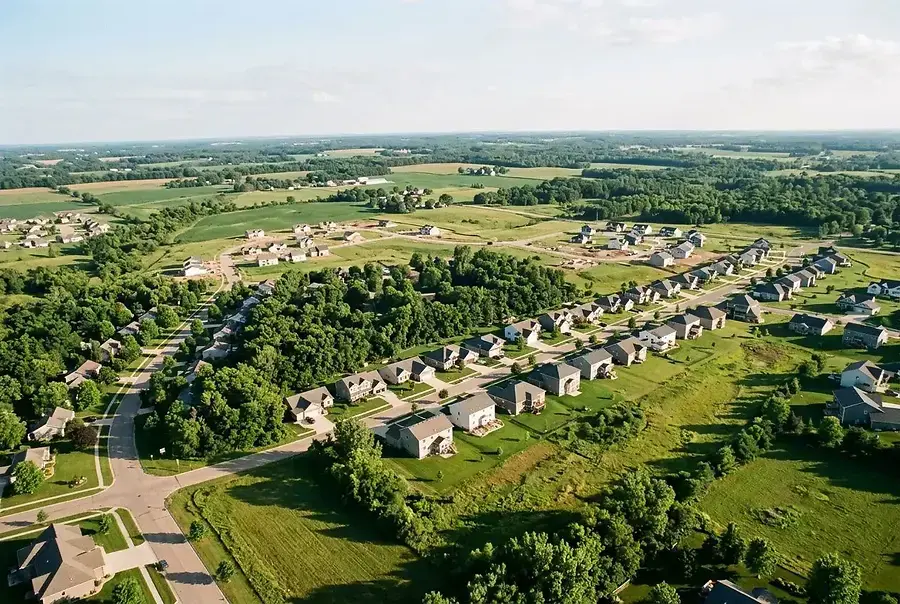
Understanding the Central Wisconsin Residential Market Landscape
Central Wisconsin has emerged as a compelling destination for residential real estate investors seeking alternatives to saturated urban markets. The region, encompassing communities like Greenwood, Thorp, Athens, and surrounding areas, offers a unique combination of affordability, steady population growth, and increasing demand for quality housing.
The market dynamics in Central Wisconsin differ significantly from larger metropolitan areas. Property values remain accessible, yet the region continues to attract families and professionals seeking a balanced lifestyle. This creates a favorable environment for investors looking to build portfolios with strong cash flow potential and long-term appreciation.
Why Central Wisconsin Stands Out
Several factors position Central Wisconsin as an attractive investment region:
- Affordability: Entry prices remain reasonable compared to state and national averages, allowing investors to acquire multiple properties or larger portfolios.
- Steady Demand: The region attracts remote workers, retirees, and families seeking quality of life improvements without sacrificing economic opportunity.
- Infrastructure Development: Ongoing improvements to local infrastructure and amenities continue to enhance community appeal.
- Rental Market Strength: Growing demand for rental properties provides consistent income streams for residential investors.
Key Investment Opportunities Across 12 Local Communities
The Central Wisconsin region encompasses diverse communities, each offering distinct investment characteristics. Understanding the unique attributes of these markets helps investors identify opportunities aligned with their investment goals.
Established Growth Communities
Greenwood and Thorp represent the region's most established investment markets. These communities feature developed infrastructure, established school systems, and growing commercial activity. Properties in these areas typically command moderate premiums but offer excellent stability and consistent tenant demand.
Athens presents an interesting middle ground, combining small-town charm with emerging growth potential. The community attracts investors seeking properties with appreciation upside while maintaining reasonable entry costs.
Emerging Opportunity Markets
Nine additional communities surrounding the primary hubs offer compelling opportunities for investors with longer time horizons. These areas feature:
- Lower acquisition costs with growth potential as regional development expands
- Strong community fundamentals and quality-of-life factors that attract new residents
- Less competition among investors, allowing for better deal sourcing
- Potential for significant appreciation as infrastructure and amenities develop
Market Segmentation Strategy
Successful investors approach Central Wisconsin by segmenting the market into three tiers: established growth markets for stable income, transitional communities for balanced risk-return profiles, and emerging markets for appreciation-focused strategies. This diversified approach across multiple communities reduces concentration risk while capturing opportunities at different market stages.
Evaluating Property Potential and Long-Term Value Growth
Identifying high-potential properties requires systematic evaluation of multiple factors beyond simple price comparisons.
Key Evaluation Metrics
Cash Flow Analysis: Calculate potential rental income against property costs, including taxes, insurance, maintenance, and vacancy rates. Central Wisconsin properties often deliver strong cash-on-cash returns due to favorable acquisition prices relative to rental income.
Property Condition Assessment: Evaluate structural integrity, mechanical systems, and deferred maintenance. Properties requiring moderate updates often present the best value opportunities when acquisition prices reflect their condition.
Market Fundamentals: Analyze local employment trends, population growth, school quality, and community development plans. Properties in communities with positive fundamentals appreciate more reliably over time.
Long-Term Value Growth Factors
- Demographic Trends: Communities attracting younger families and remote workers demonstrate stronger long-term appreciation potential.
- Infrastructure Investment: Public and private infrastructure improvements enhance property values and community appeal.
- Economic Diversification: Communities developing diverse economic bases show greater resilience and growth potential.
- Housing Supply Dynamics: Limited new construction in some markets supports appreciation as demand grows.
Risk Mitigation Strategies
Successful investors implement several strategies to protect their investments:
Diversification across multiple properties and communities reduces exposure to localized market fluctuations. Maintaining adequate reserves ensures capacity to handle unexpected expenses or vacancy periods without compromising financial stability.
Thorough due diligence on property condition, tenant quality, and market fundamentals prevents costly mistakes. Professional property management ensures consistent operations and tenant satisfaction, protecting long-term returns.
Making Your Move: Next Steps for Residential Investors
Transitioning from market research to active investment requires a structured approach.
Preparation Phase
Begin by establishing clear investment criteria aligned with your financial goals and risk tolerance. Determine target communities, property types, price ranges, and desired cash flow or appreciation outcomes. Secure financing pre-approval to demonstrate credibility to sellers and accelerate deal closure when opportunities arise.
Market Engagement
Connect with local real estate professionals who understand Central Wisconsin markets intimately. Experienced agents provide invaluable insights into community trends, property values, and emerging opportunities. Attend local real estate investment meetings and community events to build networks and identify off-market deals.
Due Diligence Process
When evaluating specific properties, conduct comprehensive inspections, verify rental market data, and analyze financial projections conservatively. Visit properties multiple times at different times of day to assess neighborhoods thoroughly. Interview current tenants and property managers to understand operational realities.
Building Your Portfolio
Start with properties that align closely with your criteria and financial capacity. Early successes build experience and confidence for larger investments. Consider beginning with single-family homes or small multi-unit properties before expanding to larger portfolios.
Document everything: Maintain detailed records of all transactions, expenses, and performance metrics. This documentation supports tax planning, refinancing efforts, and future investment decisions.
Long-Term Success Perspective
Central Wisconsin residential real estate rewards patient investors who focus on fundamentals. Properties acquired today in growing communities position investors to benefit from long-term appreciation while generating consistent cash flow. The region's combination of affordability, steady demand, and growth potential creates a compelling investment thesis for those willing to look beyond major metropolitan markets.
Success in Central Wisconsin investing comes from understanding local markets, identifying quality properties, and maintaining disciplined investment practices. The opportunities exist for investors ready to take action.