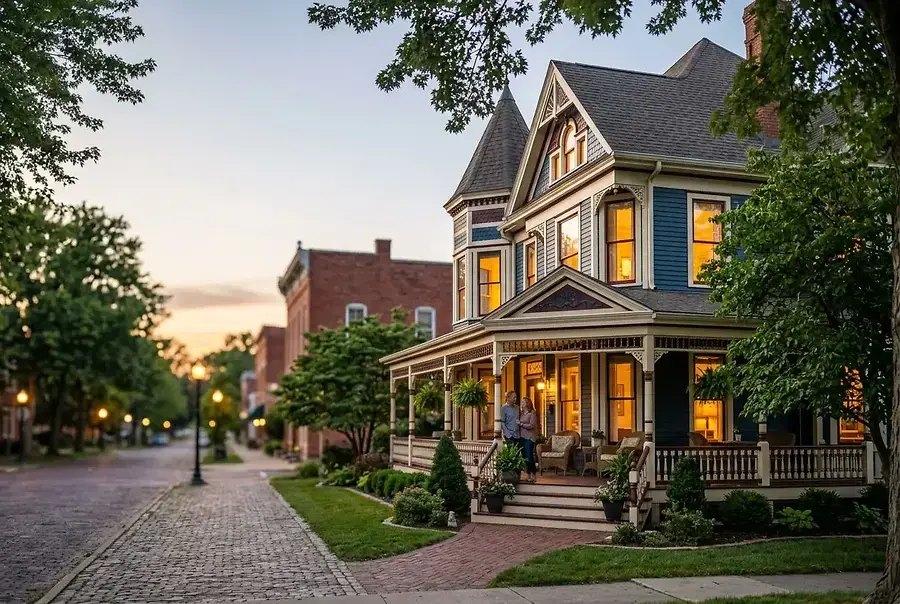
The Appeal of Historic Residential Properties in Midwest River Towns
The Midwest's river communities have long been treasured for their architectural heritage and small-town charm. Quincy, Mendon, Canton, and Lagrange represent some of the most compelling markets for historic home investment, where period properties blend timeless character with genuine affordability. Unlike coastal markets where historic homes command premium prices, these communities offer exceptional value for investors willing to embrace restoration projects.
These river towns flourished during the 19th and early 20th centuries, leaving behind a rich collection of Victorian, Greek Revival, and Federal-style homes. Many of these properties remain largely intact, featuring original hardwood floors, ornate woodwork, and architectural details that simply cannot be replicated in modern construction. For renovation-minded buyers, this authenticity represents both a labor of love and a sound financial investment.
The appeal extends beyond aesthetics. These communities are experiencing renewed interest from remote workers, young families, and retirees seeking authentic Americana, creating a growing demand for well-restored historic properties. This demographic shift is gradually increasing property values while maintaining the affordability that makes initial investment accessible.
Renovation Potential and Cost-Benefit Analysis Across the Four Communities
Quincy: The Gateway Market
Quincy stands as the largest of the four communities and offers the most diverse inventory of historic properties. The city's riverfront location and established infrastructure make it an attractive hub for investors. Properties here typically range from modest cottages to grand Victorian mansions, with renovation costs varying significantly based on structural condition and desired restoration level.
- Average acquisition prices remain 30-40% below comparable properties in larger Midwest cities
- Strong rental market potential due to tourism and business travelers
- Established historic district with active preservation community
- Proximity to regional amenities increases long-term appreciation potential
Mendon, Canton, and Lagrange: The Emerging Opportunities
These smaller communities represent the true frontier of historic home investment. Properties here are often priced significantly lower than Quincy, sometimes 50% below comparable renovated homes. The trade-off is less developed infrastructure and smaller rental markets, but for investors with patience and vision, the upside potential is substantial.
Mendon's charming downtown core features several well-preserved commercial buildings alongside residential properties. Canton offers excellent examples of period architecture with strong community preservation efforts. Lagrange combines river access with a tight-knit community atmosphere, appealing to buyers seeking authentic small-town living.
Cost-Benefit Analysis Framework
A typical renovation project in these communities breaks down as follows:
- Acquisition cost: $60,000-$150,000 for properties requiring significant work
- Structural repairs: $30,000-$80,000 (foundation, roof, electrical, plumbing)
- Cosmetic restoration: $20,000-$50,000 (finishes, painting, landscaping)
- Total investment: $110,000-$280,000 for a fully restored property
- Post-renovation value: $250,000-$450,000 depending on location and market conditions
These numbers demonstrate why historic home renovation in these communities can yield returns of 50-100% or more over a 3-5 year timeline, particularly when properties are subsequently rented or resold to the growing market of buyers seeking authentic period homes.
Financing Options and Incentives for Historic Home Restoration
Federal and State Tax Credits
The federal Historic Preservation Tax Credit remains one of the most valuable tools for renovation investors. Qualifying projects can receive a 20% tax credit on eligible rehabilitation expenses, effectively reducing project costs by a significant margin. Illinois and surrounding states offer additional state-level credits and grants for properties in designated historic districts.
Specialized Financing Programs
Several lenders now offer renovation-specific mortgages designed for historic property investors:
- FHA 203(k) loans: Allow borrowers to finance both purchase and renovation costs in a single mortgage
- Renovation mortgages: Offered by regional banks familiar with historic property markets
- Construction-to-permanent loans: Bridge the gap between acquisition and completion of major renovations
Local and Community Support
Many of these river communities actively encourage historic preservation through local incentive programs. Property tax abatements, grant programs, and technical assistance from preservation organizations can significantly reduce the financial burden of restoration work. Engaging with local historical societies early in the process often reveals funding opportunities and valuable expertise.
"Historic home investment in these communities represents a unique convergence of affordability, appreciation potential, and the intangible rewards of preserving architectural heritage for future generations." - Historic Preservation Investment Guide
Why Historic Homes Represent Smart Long-Term Investments
Beyond the financial metrics, historic homes in Midwest river communities offer several compelling advantages for long-term investors:
Market Differentiation: Fully restored historic properties command premium rental rates and appeal to a specific demographic willing to pay for authenticity and character. This creates a more stable, less price-sensitive tenant base.
Appreciation Potential: As these communities continue to attract new residents and investment, property values naturally appreciate. Early investors benefit disproportionately from this appreciation curve.
Tangible Asset Value: Unlike many investments, historic homes provide immediate utility and enjoyment while appreciating. Investors can live in, rent, or resell their properties with flexibility.
Community Impact: Historic preservation contributes to community revitalization, creating positive externalities that further enhance property values and community desirability.
The combination of low acquisition costs, substantial renovation potential, available financing incentives, and growing market demand makes historic homes in Quincy, Mendon, Canton, and Lagrange exceptionally attractive investment opportunities. For renovation-minded buyers with patience and vision, these charming river communities offer the rare opportunity to build wealth while preserving irreplaceable architectural heritage.
The window for acquiring undervalued historic properties in these communities remains open, but as awareness grows and values appreciate, early investors will reap the greatest rewards. The time to explore these opportunities is now.