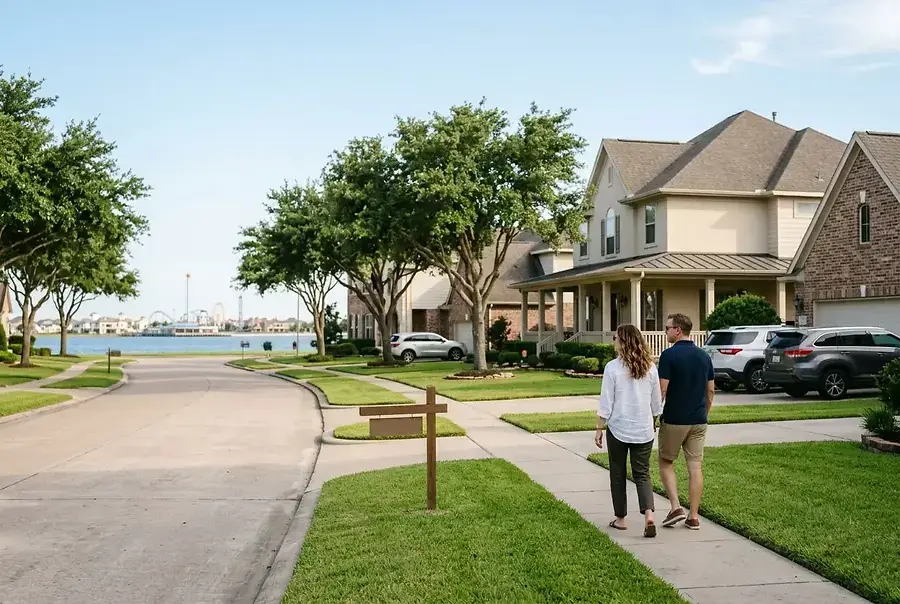
Understanding the Market Dynamics of League City, Seabrook, and Kemah
Southeast Houston's residential communities have emerged as prime investment destinations, attracting both first-time homebuyers and experienced investors seeking reliable returns. League City, Seabrook, and Kemah represent three distinct yet complementary markets within the greater Houston metropolitan area, each offering unique advantages for those looking to build wealth through real estate.
These communities have experienced consistent population growth and economic development over the past several years. The combination of proximity to major employment centers, quality schools, and waterfront amenities has created a compelling investment thesis. Whether you're looking for long-term appreciation or rental income potential, understanding the nuances of each market is essential to making informed decisions.
The Appeal of Southeast Houston
What makes this region particularly attractive is its strategic location. Residents enjoy easy access to major highways, the Port of Houston, and NASA's Johnson Space Center—all significant employment hubs. This accessibility translates to sustained demand for housing, which is the foundation of any solid real estate investment.
Key Investment Factors: Location, Appreciation, and Rental Demand
Location Advantages
Location remains the cornerstone of real estate investing, and these three communities excel in this regard. League City offers suburban charm with urban conveniences, featuring excellent schools and family-friendly amenities. Seabrook provides a more intimate, waterfront-oriented lifestyle with strong community character. Kemah combines resort-style living with investment potential, featuring the Kemah Boardwalk and waterfront properties that command premium prices.
Appreciation Potential
Historical data demonstrates steady property value appreciation in these markets. Several factors contribute to this growth:
- Limited developable land in desirable areas, creating scarcity value
- Continuous infrastructure improvements and community development
- Strong demand from relocating professionals and growing families
- Economic stability driven by diverse employment opportunities
Investors who purchased properties in these communities several years ago have seen substantial returns. The trend shows no signs of slowing, as demographic shifts and economic factors continue to favor Southeast Houston.
Rental Demand and Income Potential
Beyond appreciation, these communities offer excellent rental income opportunities. The proximity to major employers means a steady stream of professionals seeking temporary or long-term housing. Vacation rentals in Kemah and Seabrook have proven particularly lucrative, with waterfront properties commanding premium nightly rates.
For traditional long-term rentals, the demand remains strong. Young professionals, relocating families, and retirees all seek housing in these well-maintained communities. A properly positioned property can generate consistent cash flow while appreciating in value—a winning combination for investors.
How to Evaluate Properties for Long-Term Growth Potential
Key Metrics to Consider
When evaluating potential investments, focus on these critical factors:
- Price-to-Rent Ratio: Compare the property price to annual rental income. Lower ratios indicate better cash flow potential.
- School District Quality: Properties in top-rated school districts appreciate faster and attract quality tenants.
- Proximity to Amenities: Waterfront access, parks, shopping, and dining options enhance property values.
- Property Condition: Assess structural integrity, age of major systems, and required renovations.
- Market Trends: Research recent sales data, days-on-market, and price trends in specific neighborhoods.
Due Diligence Steps
Before committing capital, conduct thorough due diligence. Hire a qualified home inspector to identify potential issues. Review comparable sales to ensure fair pricing. Analyze rental comps if you're planning to generate income from the property. Check local development plans to understand future growth patterns and potential impacts on your investment.
Additionally, consider the neighborhood's trajectory. Are new businesses opening? Is infrastructure being upgraded? Are property values trending upward? These indicators suggest a healthy, growing market with strong investment potential.
Financial Analysis
Run the numbers carefully. Calculate your potential return on investment (ROI) considering purchase price, closing costs, renovation expenses, financing costs, property taxes, insurance, and maintenance. For rental properties, factor in vacancy rates, property management fees, and tenant turnover costs. A property that looks attractive on the surface may not pencil out when you examine the details.
"The best investment opportunities come from thorough analysis and patience. Don't rush into a deal—let the numbers guide your decision."
Making Your Move: Next Steps for Smart Residential Investing
Getting Started
Begin by establishing clear investment goals. Are you seeking long-term appreciation, monthly cash flow, or a combination of both? Your objectives will shape your property selection strategy and help you stay focused amid market fluctuations.
Next, secure financing before actively searching for properties. Understanding your budget and loan options positions you to act quickly when the right opportunity appears. Work with a lender experienced in investment properties, as they often have different requirements than primary residence mortgages.
Building Your Team
Successful real estate investing requires a strong support network. Assemble a team including:
- A knowledgeable real estate agent familiar with investment properties in these communities
- A qualified home inspector to assess property conditions
- A real estate attorney to review contracts and protect your interests
- An accountant experienced in real estate tax strategies
- A property manager if you plan to rent the property
Taking Action
Start attending open houses and networking with other investors in the area. Join local real estate investment groups to learn from experienced investors and discover off-market opportunities. Many of the best deals never make it to public listings.
When you find a promising property, don't hesitate to make an offer. In competitive markets, decisive action often wins. However, always include contingencies for inspections, appraisals, and financing to protect your interests.
Long-Term Success
Remember that real estate investing is a long-term game. Property values fluctuate, but historically, well-located residential real estate appreciates over time. Stay patient, maintain your properties, and avoid emotional decisions based on short-term market movements.
League City, Seabrook, and Kemah offer compelling investment opportunities for those willing to do their homework. With strong fundamentals, growing demand, and consistent appreciation, these Southeast Houston communities deserve serious consideration in any real estate investment portfolio.
