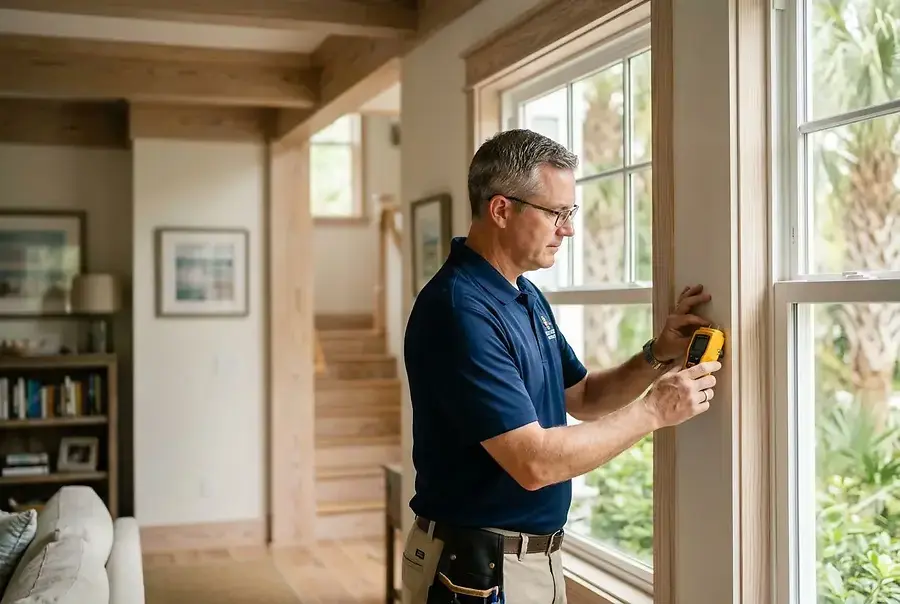
Understanding the Home Inspection Process
A home inspection is one of the most important steps in the home buying process. It's a comprehensive evaluation of a property's physical condition, performed by a licensed professional inspector. In Jacksonville, where properties face unique challenges from humidity, salt air, and seasonal weather patterns, a thorough inspection is essential.
The inspection typically takes two to three hours and covers both the interior and exterior of the home. The inspector will examine structural components, mechanical systems, and safety features. After the inspection, you'll receive a detailed report documenting findings, photographs, and recommendations for repairs or further evaluation.
Why is this important? A home inspection gives you leverage in negotiations and protects you from inheriting expensive problems. It's your opportunity to identify issues before you commit to the purchase.
Key Areas Inspectors Examine in Jacksonville Properties
Foundation and Structural Components
Jacksonville's sandy soil and high water table make foundation issues a critical concern. Inspectors look for:
- Cracks in the foundation or basement walls
- Signs of settling or shifting
- Water intrusion or moisture damage
- Proper grading around the foundation
Roofing and Exterior
The Florida climate is tough on roofs. Inspectors examine:
- Roof age and condition of shingles or tiles
- Flashing around chimneys and vents
- Gutters and downspouts
- Siding, windows, and doors for damage or deterioration
- Evidence of previous repairs or water damage
Plumbing Systems
Water-related issues are common in Jacksonville homes. Inspectors check:
- Water pressure and flow
- Pipe material and condition (older homes may have outdated piping)
- Presence of leaks or water stains
- Septic systems or municipal connections
- Water heater age and functionality
Electrical Systems
Safety is paramount with electrical systems. Inspectors evaluate:
- Panel capacity and condition
- Grounding and bonding
- Outlet and switch functionality
- Presence of outdated wiring (aluminum or knob-and-tube)
- GFCI protection in wet areas
HVAC and Mechanical Systems
In Jacksonville's hot, humid climate, air conditioning is essential. Inspectors assess:
- Age and condition of AC units
- Heating system functionality
- Ductwork condition and sealing
- Thermostat operation
- Maintenance records
Interior Conditions
Inspectors also examine:
- Walls, ceilings, and floors for damage
- Doors and windows operation
- Kitchen and bathroom fixtures
- Appliances included in the sale
- Signs of pest infestation or mold
Red Flags and What They Mean for Your Purchase
Major Structural Issues
What it means: Foundation cracks, severe settling, or water intrusion in the crawlspace or basement are serious concerns. These repairs can cost $10,000 to $50,000 or more. This is a major red flag that requires professional evaluation before proceeding.
Roof Problems
What it means: If the roof is near the end of its lifespan or shows significant damage, replacement costs can exceed $15,000. A roof that's only a few years old is a positive sign; one that's 20+ years old may need replacement soon.
Outdated Electrical or Plumbing
What it means: Aluminum wiring, knob-and-tube wiring, or galvanized pipes indicate the home needs updating. These systems pose safety and functionality risks. Budget $5,000 to $25,000 for upgrades.
Mold or Water Damage
What it means: Any visible mold or extensive water damage requires immediate attention. This could indicate ongoing moisture problems, poor ventilation, or previous flooding. Professional remediation can be expensive and complex.
HVAC System Age
What it means: AC units typically last 10-15 years. If the system is older, replacement costs $5,000 to $10,000. Ask for maintenance records to understand how well the system has been cared for.
Pest Infestation
What it means: Evidence of termites, cockroaches, or rodents requires professional pest control treatment. This is especially concerning in Jacksonville's warm climate where pests thrive. Treatment and prevention can cost $500 to $3,000+.
Using Inspection Results to Negotiate and Make Informed Decisions
Review the Report Carefully
Don't just skim the inspection report. Read it thoroughly and understand the severity of each finding. The inspector should categorize issues as major, moderate, or minor. Focus on major items that affect safety, functionality, or value.
Request Clarification
If you don't understand something in the report, contact the inspector for clarification. Ask about the urgency of repairs and estimated costs. This information is crucial for your decision-making.
Get Repair Estimates
For significant issues, obtain written estimates from licensed contractors. This gives you concrete numbers for negotiation. Sellers are more likely to take your requests seriously when backed by professional estimates.
Negotiate Strategically
You have several options when issues are discovered:
- Request repairs: Ask the seller to fix major issues before closing
- Request credits: Ask for a credit toward closing costs to handle repairs yourself
- Request price reduction: Negotiate a lower purchase price to account for needed repairs
- Walk away: If issues are too severe or costly, you can terminate the contract
Consider the Big Picture
Not every issue requires renegotiation. Minor repairs and normal wear-and-tear are expected in older homes. Focus on items that affect safety, structural integrity, or major systems. A home with minor cosmetic issues but solid bones is often a better investment than a newer home with hidden problems.
Plan for Future Maintenance
Use the inspection report to create a maintenance plan. Address urgent items immediately, then budget for upcoming repairs. This proactive approach prevents small problems from becoming expensive disasters.
Remember: A thorough home inspection is an investment in your peace of mind and financial security. It's not about finding reasons to back out of a deal—it's about making an informed decision and protecting your investment.
Final Thoughts
In Jacksonville's competitive real estate market, a professional home inspection is your best defense against costly surprises. By understanding what inspectors look for, recognizing red flags, and using inspection results strategically, you'll make a confident, informed decision about one of the largest purchases of your life.