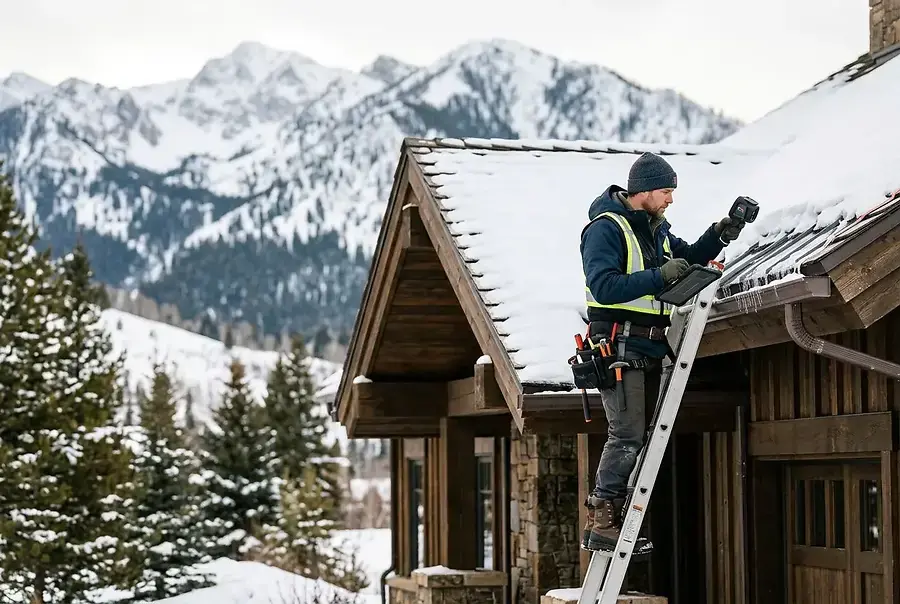
Understanding the Ketchum Home Inspection Process
Purchasing a home in Ketchum is a significant investment, and a professional home inspection is one of the most critical steps in the buying process. A thorough inspection provides you with a detailed understanding of your potential property's condition, helping you make an informed decision and avoid costly surprises down the road.
A standard home inspection typically lasts between two to four hours, depending on the property's size and complexity. During this time, a certified inspector will examine the home's structural components, systems, and overall condition. In Ketchum's unique mountain environment, inspectors pay special attention to elements that are particularly relevant to our region's climate and terrain.
It's important to understand that a home inspection is not an appraisal. While an appraisal determines the home's market value, an inspection focuses on its physical condition and functionality. Many buyers choose to be present during the inspection, which allows them to ask questions and gain valuable insights directly from the professional.
Key Areas Inspectors Focus On in Mountain Properties
Roof and Weather Protection
In Ketchum's snowy climate, the roof is perhaps the most critical component of any home. Inspectors carefully evaluate:
- Roof age and remaining lifespan
- Signs of leaks, damage, or missing shingles
- Proper snow load capacity and drainage systems
- Condition of gutters and downspouts
- Chimney integrity and flashing
A compromised roof can lead to water damage, mold, and structural issues—problems that are both expensive and difficult to remediate in mountain properties.
Foundation and Structural Integrity
Mountain terrain can present unique challenges to home foundations. Inspectors look for:
- Cracks or settling in the foundation
- Water intrusion or moisture problems
- Proper grading and drainage around the property
- Signs of soil movement or erosion
- Deck and porch stability
Ketchum's elevation and seasonal freeze-thaw cycles can stress foundations, making this inspection area particularly important.
Heating and Plumbing Systems
Given our harsh winters, heating systems are essential. Inspectors evaluate:
- Furnace age, efficiency, and functionality
- Backup heating systems and fireplaces
- Pipe insulation and freeze protection
- Water heater condition and capacity
- Septic systems (if applicable)
Proper heating and plumbing are not luxuries in Ketchum—they're necessities for year-round comfort and safety.
Electrical and Safety Systems
A comprehensive inspection includes:
- Electrical panel capacity and safety
- Grounding and outlet functionality
- Smoke and carbon monoxide detectors
- Proper ventilation systems
- Avalanche protection measures (for properties in avalanche zones)
Red Flags and How to Respond to Inspection Findings
Understanding the Inspection Report
After the inspection, you'll receive a detailed report categorizing findings into different severity levels. Major issues require immediate attention and can significantly impact your purchase decision. Minor issues are typically cosmetic or involve routine maintenance. Understanding this distinction is crucial.
Common Red Flags in Ketchum Properties
Watch for these warning signs that may indicate serious problems:
- Water damage or mold: Particularly concerning in mountain climates with heavy snowfall
- Outdated electrical systems: May not support modern appliances and safety standards
- Inadequate insulation: Leads to high heating costs and comfort issues
- Roof age over 20 years: Replacement may be imminent
- Septic system failures: Extremely expensive to repair or replace
- Foundation cracks: Could indicate structural movement or water issues
Negotiating After Inspection
Once you receive the inspection report, you have several options. You can request repairs from the seller, ask for a credit toward closing costs to handle repairs yourself, or renegotiate the price based on the findings. In Ketchum's competitive market, understanding which issues are negotiable is essential.
For major issues, obtain repair estimates from qualified contractors. This gives you concrete numbers to present during negotiations. For mountain-specific concerns like avalanche mitigation or specialized heating systems, consult with local experts who understand Ketchum's unique requirements.
When to Walk Away
Some inspection findings may indicate problems too costly or complex to justify the purchase. Don't hesitate to walk away if the inspection reveals issues that would require extensive repairs or if the property doesn't meet your needs and expectations.
Next Steps: Using Inspection Results in Your Purchase Decision
Creating an Action Plan
After reviewing the inspection report, create a prioritized list of issues. Separate them into three categories: must fix before purchase, should address soon, and can address later. This helps you focus negotiations on the most important items.
Getting Professional Opinions
For significant findings, consider obtaining second opinions from specialized contractors. A roofer can assess roof conditions, a structural engineer can evaluate foundation concerns, and HVAC specialists can review heating systems. These consultations provide additional confidence in your decision-making.
Final Walkthrough
Before closing, conduct a final walkthrough to verify that any agreed-upon repairs have been completed satisfactorily. This is your last opportunity to ensure the property meets the agreed-upon standards.
Moving Forward with Confidence
A thorough home inspection is an investment in your peace of mind. By understanding what inspectors look for, recognizing red flags, and using inspection results strategically, you protect your investment in Ketchum's competitive real estate market. Whether you're a first-time buyer or an experienced investor, the inspection process is your best tool for making an informed, confident purchase decision.
Remember:
A home inspection isn't about finding reasons to back out of a deal—it's about understanding exactly what you're buying and making decisions based on facts, not emotions.
