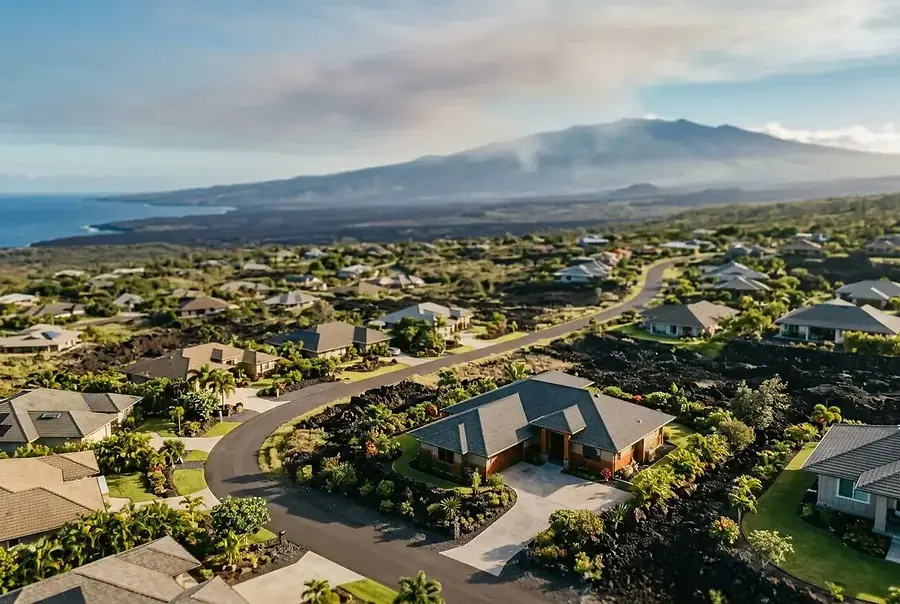
Understanding Volcanic Risk and Insurance Requirements in Kilauea
Living in or investing in property near Kilauea comes with unique challenges that standard homeowners insurance policies often don't cover. Volcanic activity, lava flows, and ash damage represent significant risks that require specialized insurance solutions. Understanding these risks is the first step toward protecting your investment.
Kilauea, one of the world's most active volcanoes, has shaped the landscape and property values of Hawaii's Big Island for centuries. While volcanic eruptions are relatively infrequent, their potential impact on homes and property is substantial. Insurance companies classify volcanic damage differently than standard perils, which is why homeowners in this region face distinct coverage challenges.
Why Standard Homeowners Insurance Falls Short
Most traditional homeowners insurance policies explicitly exclude volcanic damage. This exclusion exists because volcanic events are considered catastrophic risks with potentially massive financial consequences. Property owners in Kilauea need to understand that their standard policy likely won't cover:
- Lava flow damage to structures and foundations
- Volcanic ash accumulation and related damage
- Volcanic gases and their effects on property
- Damage from volcanic debris and projectiles
This coverage gap makes specialized volcanic insurance not just recommended—it's essential for protecting your financial investment.
Hawaii's Insurance Landscape and Requirements
Hawaii has specific regulations regarding volcanic coverage. While homeowners aren't legally required to carry volcanic insurance, mortgage lenders often mandate it as a condition of financing. Additionally, properties in high-risk volcanic zones may face higher premiums or coverage limitations through standard insurers.
The Hawaii Property Insurance Association (HPIA) serves as an insurer of last resort for properties that cannot obtain coverage through traditional means. Understanding your options within this system is crucial for finding adequate protection.
Types of Coverage Available for Kilauea Residential Properties
Volcanic Damage Coverage
Specialized volcanic damage coverage protects against direct damage caused by volcanic activity. This includes structural damage from lava flows, damage from volcanic ash, and harm caused by volcanic gases. When selecting this coverage, consider the replacement cost of your home and the potential severity of volcanic damage in your specific location.
Key considerations for volcanic coverage:
- Determine appropriate coverage limits based on your home's replacement value
- Understand deductibles, which may be higher for volcanic coverage
- Review exclusions and specific conditions outlined in your policy
- Assess whether coverage includes temporary living expenses if evacuation is necessary
Comprehensive Homeowners Policies with Volcanic Riders
Some insurers offer comprehensive homeowners policies that include volcanic coverage as an add-on rider. This approach allows you to maintain standard coverage for typical perils while adding specialized volcanic protection. These bundled policies often provide better rates than purchasing coverage separately.
Additional Coverage Options
Beyond volcanic damage, consider these complementary coverages:
- Earthquake Insurance: Volcanic activity can trigger seismic events; earthquake coverage protects against ground movement damage
- Flood Insurance: Volcanic activity can affect water systems and create flooding risks
- Loss of Use Coverage: Covers temporary housing and living expenses if your home becomes uninhabitable
- Personal Property Coverage: Protects belongings damaged by volcanic events
Each of these options adds layers of protection to your overall insurance strategy.
How to Compare Quotes and Lower Your Insurance Costs
Gathering Multiple Quotes
Don't settle for the first quote you receive. Contact multiple insurers, including those specializing in Hawaii properties and volcanic coverage. When requesting quotes, provide identical information to each insurer to ensure accurate comparisons. Include details about your home's construction, age, location relative to volcanic zones, and any protective measures you've implemented.
Factors That Influence Your Premiums
Insurance companies evaluate several factors when determining volcanic coverage rates:
- Proximity to Kilauea: Properties closer to the volcano typically face higher premiums
- Home Construction: Homes built with volcanic-resistant materials may qualify for discounts
- Elevation and Topography: Geographic features affect lava flow risk assessment
- Previous Claims History: Your claims record influences premium calculations
- Deductible Amount: Choosing higher deductibles reduces premiums
Strategies to Reduce Your Insurance Costs
Implement home hardening measures: Upgrade your home's resilience against volcanic hazards. Install impact-resistant windows, use fire-resistant roofing materials, and clear vegetation that could catch fire from lava or ash. These improvements often qualify for insurance discounts.
Bundle your policies: Combining homeowners, auto, and other insurance policies with a single provider frequently results in significant discounts.
Increase your deductible: If you have emergency savings, opting for a higher deductible can substantially lower your premium.
Review your coverage annually: As property values and risk assessments change, your coverage needs may shift. Annual reviews ensure you're not over-insured or under-protected.
Ask about loyalty discounts: Long-term customers often receive better rates. Don't hesitate to negotiate with your current insurer.
Working with Insurance Agents
An experienced insurance agent familiar with Kilauea properties can be invaluable. They understand local risk factors, know which insurers offer the best rates for your situation, and can help navigate the complexities of volcanic coverage. Look for agents with specific experience in Hawaii's volcanic regions.
Conclusion: Securing Your Kilauea Investment
Protecting your Kilauea property requires a thoughtful approach to insurance that goes beyond standard homeowners coverage. By understanding volcanic risks, exploring available coverage options, and actively comparing quotes, you can find insurance solutions that provide adequate protection without breaking your budget.
Your home represents one of your most significant investments. Taking time to secure proper volcanic coverage demonstrates financial responsibility and ensures peace of mind knowing that your property is protected against Hawaii's unique natural hazards. Start by contacting multiple insurers today and building a comprehensive insurance strategy tailored to your specific property and circumstances.
Remember: The cost of adequate insurance is minimal compared to the potential financial devastation of uninsured volcanic damage. Invest in your property's protection now.