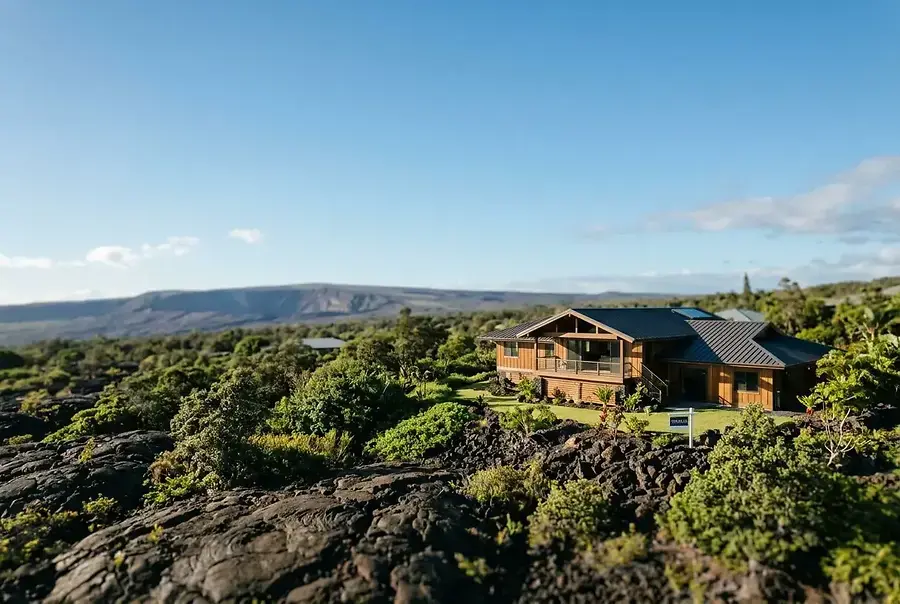
Understanding Volcanic Zone Disclosures and Legal Requirements
Purchasing property in the Kilauea volcanic zone requires a thorough understanding of mandatory disclosures and legal obligations. Hawaii law mandates that sellers provide comprehensive information about volcanic hazards, and buyers have the right to know exactly what risks they're assuming.
What Sellers Must Disclose
Property sellers in volcanic zones are legally required to disclose the property's location relative to volcanic hazard zones. This includes information about:
- Proximity to active volcanic vents and fissures
- Historical lava flow patterns and frequency
- Ash fall zones and air quality concerns
- Ground subsidence and structural risks
- Previous volcanic damage to the property
These disclosures are not optional—they're mandatory under Hawaii's real estate laws. Failure to provide accurate volcanic zone information can result in legal consequences for sellers and real estate agents.
Buyer's Right to Inspection and Due Diligence
As a potential buyer, you have the right to conduct thorough inspections and investigations. This includes hiring geotechnical engineers to assess volcanic risks specific to your property. Don't rely solely on seller disclosures; independent verification is crucial for your peace of mind and financial protection.
Request detailed geological surveys and review USGS (United States Geological Survey) volcanic hazard maps. These maps clearly delineate different risk zones and provide scientific data about potential volcanic activity.
Insurance Considerations and Coverage Options for Kilauea Properties
Insurance is perhaps the most critical factor when purchasing property in a volcanic zone. Standard homeowners insurance typically does not cover volcanic damage, making specialized coverage essential.
Understanding Volcanic Damage Coverage
Hawaii offers volcanic damage insurance through the Hawaii Property Insurance Association (HPIA). This specialized coverage protects against:
- Lava flow damage and property destruction
- Volcanic ash and debris damage
- Structural damage from ground movement
- Loss of use and additional living expenses
Coverage limits and deductibles vary significantly, so carefully review policy terms. Some policies may have high deductibles (often 10-20% of the property value), which means substantial out-of-pocket costs in case of volcanic damage.
Evaluating Insurance Costs and Availability
Insurance premiums for volcanic coverage can be substantial, sometimes adding thousands of dollars annually to your housing costs. Factor these expenses into your overall budget before committing to a purchase. Additionally, insurance availability may be limited in higher-risk zones, so secure quotes before making an offer.
Work with insurance agents experienced in volcanic zone properties. They can help you understand coverage options, compare rates, and identify the best protection for your specific situation.
Working with a Local Agent: Your Guide to Informed Home Purchasing
A knowledgeable local real estate agent is invaluable when navigating Kilauea property purchases. Local agents understand volcanic zone regulations, market conditions, and community-specific risks that outsiders might miss.
What to Look for in a Real Estate Agent
Choose an agent who:
- Has extensive experience with volcanic zone properties
- Understands current USGS volcanic hazard assessments
- Can explain insurance requirements clearly
- Has established relationships with local inspectors and engineers
- Provides transparent information about property risks
Your agent should prioritize your interests over making a quick sale. They should encourage thorough due diligence and help you understand all aspects of volcanic zone ownership.
Questions to Ask Your Agent
Don't hesitate to ask detailed questions about:
- The property's specific volcanic hazard zone classification
- Historical volcanic activity affecting the area
- Insurance availability and typical costs for similar properties
- Resale considerations and market trends
- Community resources and emergency preparedness plans
A quality agent will welcome these questions and provide comprehensive answers backed by data and experience.
Making Your Decision: Evaluating Risk, Value, and Long-Term Investment Potential
After gathering information about disclosures, insurance, and working with professionals, you're ready to evaluate whether a Kilauea property aligns with your goals and risk tolerance.
Assessing Your Personal Risk Tolerance
Volcanic zone ownership isn't for everyone. Consider:
- Your comfort level with natural disaster risks
- Your financial capacity to absorb potential losses
- Your long-term residency plans
- Your ability to obtain and maintain specialized insurance
Be honest with yourself about these factors. Purchasing property you're uncomfortable with will create stress rather than joy.
Evaluating Property Value and Investment Potential
Properties in volcanic zones typically offer lower prices than comparable properties in safer areas. While this affordability is attractive, consider whether the discount adequately compensates for the risks and insurance costs.
Properties in lower-risk volcanic zones may appreciate steadily, while those in higher-risk areas may face resale challenges. Research recent sales data and market trends specific to your target area.
Creating Your Action Plan
Before making an offer, create a comprehensive checklist:
- Obtain and review all volcanic zone disclosures
- Secure insurance quotes and understand coverage details
- Hire independent inspectors and geotechnical engineers
- Review USGS volcanic hazard maps and historical data
- Consult with your real estate agent and legal counsel
- Evaluate your personal risk tolerance and financial capacity
Taking time to complete these steps ensures you make an informed decision aligned with your values and financial goals. Kilauea properties can be wonderful investments for the right buyer—someone who understands the risks, has adequate insurance protection, and genuinely wants to live in this unique volcanic landscape.
Your home purchase is one of the most significant financial decisions you'll make. Approach it with thorough research, professional guidance, and careful consideration of all factors.