Why Home Inspections Matter: Protecting Your Investment
Purchasing a home is one of the most significant financial decisions you'll make in your lifetime. In Kissimmee's competitive real estate market, it's easy to get caught up in the excitement of finding your dream property. However, skipping a professional home inspection is a risk that could cost you thousands of dollars in unexpected repairs and maintenance.
A comprehensive home inspection serves as your personal advocate during the buying process. It provides an objective, detailed assessment of the property's condition, revealing issues that may not be visible during a casual walkthrough. From structural concerns to mechanical failures, a qualified inspector identifies problems before you sign on the dotted line, giving you the leverage to negotiate repairs, request credits, or walk away if necessary.
Think of a home inspection as insurance for your investment. It protects you from inheriting someone else's problems and ensures you understand exactly what you're purchasing.
Key Areas Inspectors Evaluate in Kissimmee Homes
Structural and Foundation Issues
Kissimmee's unique climate and soil conditions make foundation inspections particularly important. Inspectors examine the foundation for cracks, settling, and water damage. They assess the integrity of walls, floors, and the overall structural stability of the home. Florida's high water table and occasional flooding patterns mean that foundation problems can develop quickly if not properly addressed.
Roofing and Weather Protection
Your roof is your home's first line of defense against Florida's intense sun, heavy rains, and occasional storms. Inspectors evaluate:
- Roof age and remaining lifespan
- Shingle condition and potential leaks
- Flashing around chimneys and vents
- Gutter systems and drainage
- Attic ventilation and moisture levels
HVAC and Cooling Systems
In Kissimmee's warm climate, air conditioning isn't a luxury—it's essential. Inspectors test the AC system's efficiency, check refrigerant levels, examine ductwork, and assess the age of the unit. A failing air conditioning system can cost $5,000 to $15,000 to replace, making this evaluation critical.
Plumbing and Water Systems
Inspectors check water pressure, test drains, inspect visible pipes for corrosion, and examine the water heater. They look for signs of leaks, outdated materials, and potential code violations. Water damage is one of the most expensive issues to remediate, so thorough plumbing inspection is non-negotiable.
Electrical Systems
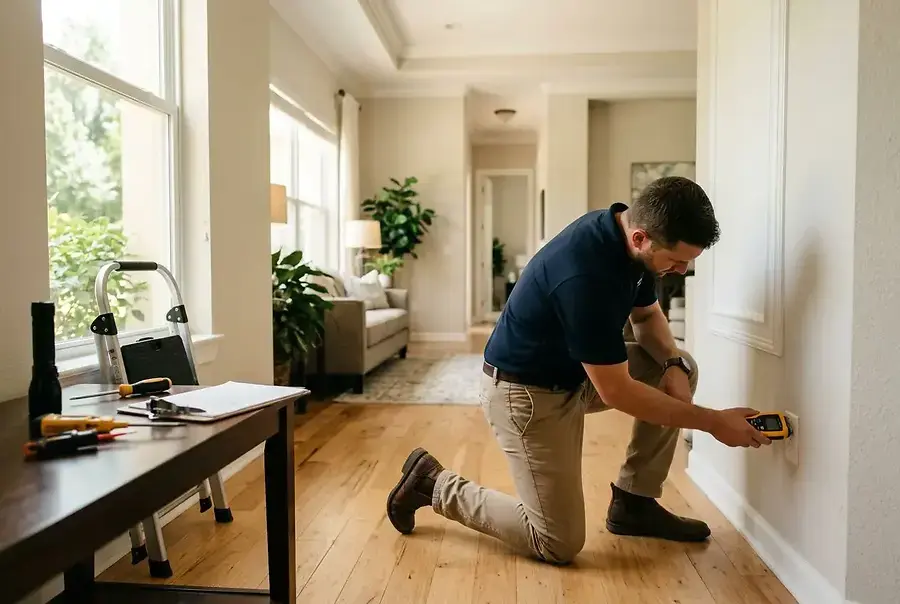
A qualified inspector evaluates the electrical panel, tests outlets, checks for proper grounding, and identifies any outdated or unsafe wiring. Faulty electrical systems pose fire hazards and safety risks, making this inspection component absolutely essential.
Interior and Exterior Conditions
Inspectors examine windows, doors, flooring, walls, and paint for damage or deterioration. They assess the condition of decks, patios, and landscaping. They also check for signs of pest infestation, mold, or water intrusion.
Red Flags to Watch For and How to Respond
Major Red Flags
Certain inspection findings should trigger serious consideration:
- Foundation cracks or settling: These can indicate structural problems requiring expensive repairs
- Roof leaks or age: Roofs nearing the end of their lifespan will need replacement soon
- Mold or water damage: These issues suggest ongoing moisture problems and potential health hazards
- Outdated electrical systems: Knob-and-tube wiring or inadequate panels pose safety risks
- Failed HVAC systems: Replacement costs are substantial in Florida's climate
- Plumbing issues: Corroded pipes or failed septic systems require immediate attention
How to Respond to Inspection Findings
Request repairs: Ask the seller to fix critical issues before closing. This is most effective for major problems like roof repairs or electrical corrections.
Negotiate credits: If the seller won't make repairs, request a credit toward closing costs that you can use to hire contractors after purchase.
Request re-inspection: For significant repairs, ask for a follow-up inspection to verify work was completed properly.
Walk away: If inspection reveals extensive, expensive problems, you may decide the property isn't worth the investment. This is why inspections are so valuable—they give you an exit strategy.
Minor Issues vs. Deal-Breakers
Not every inspection finding is catastrophic. Minor issues like worn caulking, small paint touch-ups, or minor landscaping concerns are typically considered normal wear and tear. Focus your negotiation efforts on structural, mechanical, and safety-related issues that will cost significant money to address.
Moving Forward: Using Inspection Results in Your Offer
Timing Your Inspection
Most purchase agreements include an inspection contingency period—typically 7-10 days. Use this time wisely to schedule your inspection and review results thoroughly. Don't rush this process; it's your opportunity to make an informed decision.
Working with Your Real Estate Agent
Your real estate agent can help you understand inspection results in context. They know local market conditions and can advise whether certain issues are common in Kissimmee homes or red flags specific to this property. They'll also help you craft effective repair requests that sellers are likely to accept.
Negotiation Strategy
Approach negotiations professionally and reasonably. Sellers are more likely to cooperate if you focus on legitimate safety and structural concerns rather than cosmetic issues. Provide repair estimates from licensed contractors to support your requests. Be prepared to compromise—perhaps the seller fixes major items while you accept credit for minor repairs.
Final Walkthrough
Before closing, conduct a final walkthrough to verify that agreed-upon repairs were completed satisfactorily. This is your last chance to ensure the property matches the condition you negotiated.
A home inspection is not an expense—it's an investment in peace of mind and financial protection. In Kissimmee's dynamic real estate market, informed buyers make better decisions and secure better deals.
By understanding what inspectors evaluate, recognizing red flags, and using inspection results strategically, you protect your investment and ensure you're making a sound financial decision. Don't skip this critical step in your home-buying journey.