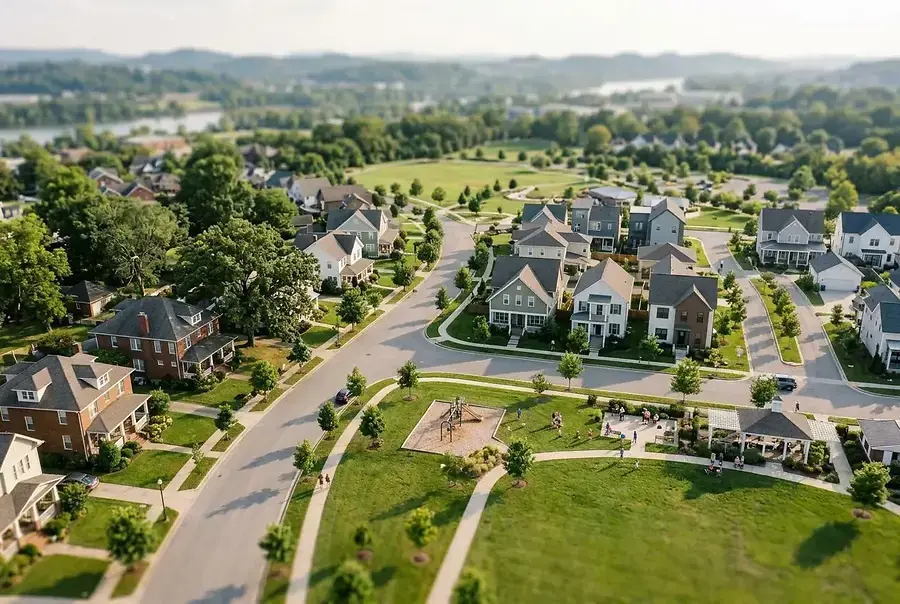
Understanding Knoxville's Diverse Neighborhoods and Their Unique Characteristics
Knoxville's real estate market has evolved significantly, offering residential buyers a diverse range of neighborhoods with distinct personalities and investment potential. From historic districts with charm and character to modern developments with contemporary amenities, the city provides options for every investor profile.
The city's neighborhoods can be broadly categorized into three types: established affluent areas with proven track records, emerging neighborhoods experiencing rapid revitalization, and family-oriented communities focused on schools and safety. Understanding these categories helps investors identify which areas align with their financial goals and lifestyle preferences.
Established Neighborhoods with Proven Value
Areas like West Knoxville and Bearden have long been considered the city's premier residential destinations. These neighborhoods feature mature tree-lined streets, well-maintained homes, and strong community infrastructure. Properties in these areas typically appreciate steadily, making them ideal for conservative investors seeking stability over rapid growth.
Emerging Areas with Growth Potential
Neighborhoods such as Old City and South Knoxville are experiencing revitalization efforts that attract younger professionals and families. These areas offer more affordable entry points while demonstrating strong appreciation trends. The combination of lower initial investment and growth potential makes them attractive to forward-thinking buyers.
Key Metrics for Evaluating Residential Investment Potential in Each Area
When evaluating neighborhoods for residential investment, several critical metrics should guide your decision-making process:
Price Appreciation Trends
Analyze historical price data over the past 3-5 years to identify neighborhoods with consistent appreciation. Look for areas where median home prices have increased steadily without dramatic fluctuations. This stability indicates healthy market fundamentals and investor confidence.
Days on Market and Inventory Levels
Lower days on market and reduced inventory typically signal strong buyer demand. When homes sell quickly in a neighborhood, it suggests desirable characteristics and potential for continued appreciation. Monitor these metrics quarterly to track market momentum.
Rental Yield and Cash Flow Potential
For investors considering rental properties, calculate potential rental income against purchase price. Neighborhoods with strong rental demand and competitive rental rates offer better cash flow opportunities. Research local rental markets to understand tenant demand and pricing trends.
Population Growth and Demographics
Neighborhoods experiencing population growth typically see increased demand for housing. Analyze demographic trends to understand who is moving to the area. Growing populations of young professionals, families, and retirees all indicate different investment opportunities and neighborhood trajectories.
Comparing School Districts, Amenities, and Appreciation Trends Across Knoxville Communities
School District Quality and Impact
School quality significantly influences residential property values and buyer demand. Knox County Schools varies in performance across neighborhoods, with highly-rated districts commanding premium prices. Families prioritize excellent schools, making these neighborhoods resilient investments even during market downturns.
Research school ratings, test scores, and graduation rates for neighborhoods you're considering. Properties in top-rated school districts typically appreciate faster and maintain value better than those in lower-rated areas.
Amenities and Lifestyle Factors
Modern residential buyers value proximity to:
- Parks and recreation facilities for outdoor activities and community engagement
- Shopping and dining options for convenience and entertainment
- Healthcare facilities for medical accessibility
- Public transportation for commuting flexibility
- Cultural attractions for entertainment and community events
Neighborhoods with diverse amenities attract more buyers and renters, supporting property appreciation. Evaluate the walkability score and proximity to major employment centers when assessing investment potential.
Appreciation Trends by Neighborhood Type
Established neighborhoods typically show steady 2-4% annual appreciation, while emerging areas may experience 5-8% growth as revitalization efforts take hold. However, emerging neighborhoods carry slightly higher risk, as development plans may not materialize as expected.
The best investment neighborhoods balance growth potential with stability, offering both appreciation upside and downside protection.
Making Your Decision: Which Neighborhood Aligns With Your Residential Investment Goals
Define Your Investment Strategy
Before selecting a neighborhood, clarify your investment objectives. Are you seeking long-term appreciation, rental income, or primary residence with growth potential? Your strategy should drive neighborhood selection.
Risk Tolerance Assessment
Conservative investors should prioritize established neighborhoods with proven appreciation and strong fundamentals. Aggressive investors comfortable with higher risk may find better returns in emerging areas experiencing revitalization. Match neighborhood selection to your risk tolerance and investment timeline.
Financial Considerations
Evaluate your budget and financing options. Premium neighborhoods require larger down payments but offer stability. Emerging areas may offer better value, allowing you to purchase multiple properties or invest additional capital in improvements.
Action Steps for Your Decision
- Visit neighborhoods at different times to experience daily life and community atmosphere
- Interview local real estate agents specializing in specific areas for market insights
- Review recent sales data and comparable properties to understand pricing
- Analyze rental comps if considering investment properties
- Consult with a financial advisor to ensure the investment aligns with your portfolio
- Inspect properties thoroughly and budget for potential renovations
Final Thoughts
Knoxville's residential real estate market offers compelling opportunities for investors at every level. Whether you're drawn to the stability of established neighborhoods or the growth potential of emerging areas, success requires thorough research and strategic planning. Take time to understand each neighborhood's unique characteristics, evaluate key investment metrics, and align your selection with your financial goals. The right neighborhood investment can provide both financial returns and a quality living environment for years to come.