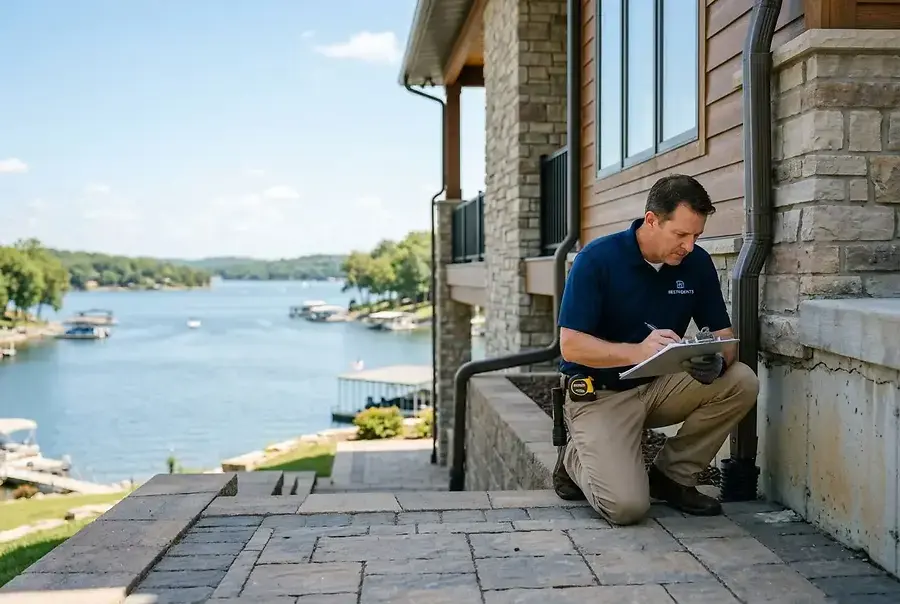
Why Home Inspections Matter in Lake Ozark's Unique Climate
Purchasing a home in Lake Ozark is an exciting investment, but the region's unique waterfront environment presents distinct challenges that standard home inspections must address. The combination of water exposure, seasonal weather fluctuations, and moisture-related issues makes thorough inspections absolutely critical for buyers in this area.
Lake Ozark's climate brings humidity, temperature swings, and water-related wear that can accelerate property deterioration. Homes near the water face constant exposure to moisture, which can compromise structural integrity, promote mold growth, and damage foundations over time. A comprehensive inspection tailored to Lake Ozark's conditions helps identify these issues before they become costly repairs.
Beyond protecting your financial investment, a professional inspection provides peace of mind and gives you leverage in negotiations. Understanding what inspectors look for empowers you to make informed decisions and avoid purchasing properties with hidden defects.
Key Areas Inspectors Examine: Waterfront & Structure-Specific Concerns
Foundation and Structural Integrity
Lake Ozark's proximity to water makes foundation inspection particularly important. Inspectors examine:
- Signs of water intrusion or seepage in basements and crawl spaces
- Cracks in concrete foundations and basement walls
- Evidence of settling or shifting in the structure
- Proper grading and drainage systems around the home
Water damage to foundations can be extremely expensive to repair, making this one of the most critical inspection areas for Lake Ozark properties.
Roof and Exterior Weatherproofing
The roof is your home's first line of defense against Lake Ozark's weather. Inspectors evaluate:
- Roof condition, age, and remaining lifespan
- Flashing around chimneys, vents, and skylights
- Gutters and downspout functionality
- Siding condition and water resistance
- Window and door seals for air and water leaks
A compromised roof or exterior can lead to interior water damage that spreads throughout the home, making thorough exterior inspection essential.
Plumbing and Water Systems
Water-related systems deserve special attention in Lake Ozark homes:
- Septic system functionality (common in lakeside areas)
- Well water quality and pressure (if applicable)
- Pipe materials and corrosion signs
- Water heater condition and capacity
- Drainage systems and sump pump operation
Inspectors test water pressure, check for leaks, and assess whether systems can handle the home's needs.
Mold and Moisture Control
Lake Ozark's humid environment creates ideal conditions for mold growth. Inspectors look for:
- Visible mold in attics, basements, and crawl spaces
- Moisture readings in walls and structural materials
- Ventilation adequacy in bathrooms and kitchens
- Vapor barriers and insulation condition
Mold remediation can be costly and health-threatening, making moisture control assessment crucial.
Electrical and HVAC Systems
Moisture exposure can compromise electrical systems and HVAC equipment:
- Electrical panel condition and safety
- Grounding and outlet functionality
- HVAC system age and operational efficiency
- Ductwork condition and insulation
- Proper ventilation throughout the home
Red Flags to Watch For and How to Negotiate After Inspection Results
Common Red Flags in Lake Ozark Homes
Certain findings should raise concerns and warrant further investigation:
- Water stains or discoloration on ceilings, walls, or foundations indicate past or present water intrusion
- Musty odors suggest mold or moisture problems requiring professional assessment
- Cracks in foundations or visible settling may indicate structural issues
- Outdated electrical systems or aluminum wiring pose safety risks
- Roof age over 20 years typically means replacement is imminent
- Inadequate drainage or grading problems can lead to future water damage
Don't ignore these warning signs—they often indicate expensive repairs ahead.
Negotiating After Inspection
Once you receive the inspection report, you have several negotiation options:
Request repairs: Ask the seller to fix identified issues before closing. This ensures work is completed to your standards.
Negotiate a price reduction: If repairs are extensive, request a credit to cover costs. This gives you control over contractor selection.
Request a second inspection: For major concerns like structural damage or mold, hire a specialist to confirm findings.
Walk away: If issues are too severe or costly, you have the right to terminate the purchase agreement during the inspection period.
Always review your purchase agreement's inspection contingency clause—it protects your right to renegotiate or withdraw based on findings.
Moving Forward: Using Inspection Reports to Make Confident Offers
Understanding Your Inspection Report
A professional inspection report provides detailed documentation of the home's condition. It typically includes:
- Photographs of problem areas
- Detailed descriptions of findings
- Severity ratings (minor, moderate, major)
- Estimated repair costs
- Recommendations for further evaluation
Take time to review the report thoroughly and ask your inspector to explain any unclear findings.
Making Informed Decisions
Use inspection results to make confident decisions about your Lake Ozark purchase:
- Prioritize issues: Focus on major structural, safety, and water-related concerns first
- Get contractor estimates: Obtain quotes for recommended repairs to understand true costs
- Consider long-term value: Weigh inspection findings against the property's location and potential appreciation
- Plan your budget: Factor repair costs into your overall investment calculation
A thorough inspection transforms uncertainty into knowledge, allowing you to negotiate from a position of strength and move forward confidently with your Lake Ozark home purchase.
Remember: A professional home inspection is one of the most important investments you'll make during the buying process. It protects your financial interests and reveals the true condition of your potential new home.