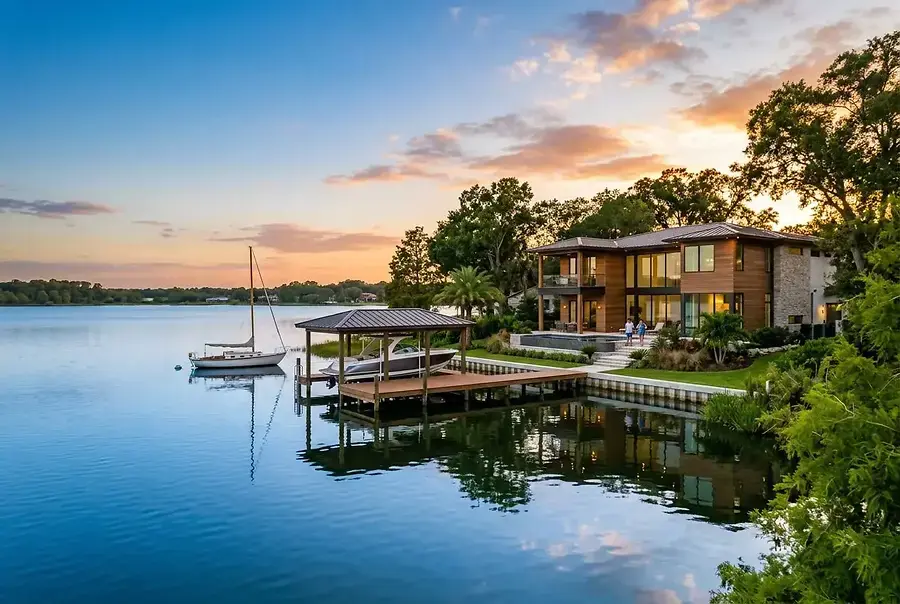
Understanding Lakeland's Waterfront Market Trends and Demand
Lakeland's waterfront real estate market has experienced remarkable growth in recent years, driven by increasing demand for lakeside living and the region's natural beauty. The market demonstrates strong fundamentals with consistent appreciation rates and high buyer interest from both primary residence seekers and investment-minded purchasers.
The appeal of Lakeland waterfront properties stems from several factors. The region boasts over 38 lakes, providing diverse waterfront opportunities ranging from serene residential communities to vibrant mixed-use developments. Waterfront homes offer unparalleled lifestyle benefits, including direct water access for recreation, stunning natural views, and a sense of community that attracts discerning buyers.
Current Market Dynamics
Demand for Lakeland waterfront homes remains robust, with properties typically spending less time on the market compared to inland alternatives. Premium waterfront locations command higher price points, but the investment potential justifies the premium for many buyers. The market has shown resilience, with waterfront properties maintaining value better during market fluctuations.
Key market indicators include:
- Strong year-over-year appreciation in desirable waterfront neighborhoods
- Limited inventory of premium waterfront properties, supporting price stability
- Increasing interest from remote workers seeking lifestyle upgrades
- Growing popularity of waterfront communities with modern amenities
Key Considerations: Waterfront Maintenance, Insurance, and Environmental Regulations
While waterfront living offers exceptional benefits, prospective buyers must understand the unique responsibilities and costs associated with lakeside properties. Thorough due diligence is essential before making your investment.
Maintenance and Upkeep
Waterfront homes require specialized maintenance due to exposure to water, humidity, and weather elements. Dock systems, seawalls, and boat lifts demand regular inspection and maintenance. Saltwater or freshwater exposure accelerates wear on exterior materials, necessitating more frequent painting, staining, and repairs.
Budget considerations for waterfront properties include:
- Annual dock and seawall maintenance and repairs
- Specialized exterior coatings and weatherproofing
- Erosion control and landscape management
- HVAC system maintenance in humid environments
- Regular inspection of water-related infrastructure
Insurance and Financial Implications
Waterfront properties typically carry higher insurance premiums due to increased risk exposure. Flood insurance is mandatory for properties in designated flood zones, adding significant annual costs. Homeowners should expect to pay 15-30% more for insurance compared to inland properties of similar value.
Work with insurance professionals to understand your specific coverage needs, including protection against water damage, flooding, and liability concerns related to water access.
Environmental Regulations and Compliance
Lakeland waterfront properties are subject to strict environmental regulations designed to protect water quality and ecosystems. Buyers must comply with:
- Shoreline protection and erosion control requirements
- Wetland preservation regulations
- Dock and structure placement restrictions
- Water quality protection standards
- Local zoning and setback requirements
Environmental compliance is not optional—it's a legal requirement that protects both the property and the community's natural resources.
Investment Potential: Appreciation and Lifestyle Benefits of Lakeland Waterfront Living
Beyond the immediate lifestyle advantages, Lakeland waterfront properties represent compelling investment opportunities. The combination of limited supply, strong demand, and desirable location creates favorable conditions for long-term appreciation.
Financial Appreciation Potential
Waterfront properties historically appreciate faster than inland homes, particularly in established communities with strong fundamentals. The scarcity of available waterfront land ensures that supply constraints support price growth as demand continues to increase.
Investment advantages include:
- Higher appreciation rates compared to non-waterfront properties
- Strong rental income potential for vacation or long-term leases
- Limited new supply supporting price stability
- Broad appeal to diverse buyer demographics
- Resilience during economic downturns
Lifestyle and Quality of Life Benefits
The intangible benefits of waterfront living often exceed the financial considerations. Daily access to water recreation, including boating, fishing, paddleboarding, and swimming, enhances quality of life significantly. Waterfront communities typically feature:
- Scenic natural views and outdoor recreation opportunities
- Strong sense of community among residents
- Access to water sports and leisure activities
- Health benefits from outdoor living and water activities
- Enhanced property aesthetics and curb appeal
Making Your Move: Steps to Finding and Purchasing Your Ideal Waterfront Home
Successfully navigating the waterfront home purchase process requires careful planning and expert guidance. Follow these essential steps to find and secure your ideal lakeside property.
Step 1: Get Pre-Approved and Understand Your Budget
Financial preparation is the foundation of successful home buying. Obtain mortgage pre-approval to understand your purchasing power and demonstrate seriousness to sellers. Factor in additional costs specific to waterfront properties, including higher insurance, maintenance, and potential flood insurance requirements.
Step 2: Work with Waterfront Specialists
Partner with real estate agents experienced in waterfront transactions. These specialists understand market nuances, regulatory requirements, and property-specific considerations that general agents may overlook. They provide invaluable guidance on neighborhood trends, property conditions, and fair market pricing.
Step 3: Conduct Thorough Due Diligence
Waterfront properties require comprehensive inspections beyond standard home inspections. Commission specialized inspections for:
- Dock and seawall structural integrity
- Water quality and environmental assessments
- Flood zone verification and flood insurance requirements
- Erosion risk and shoreline stability
- Regulatory compliance and permitting status
Step 4: Review Legal and Regulatory Requirements
Legal considerations are paramount in waterfront purchases. Verify water rights, easements, and any restrictions on property use. Ensure the property complies with all environmental regulations and local ordinances. Have an attorney experienced in waterfront real estate review all documents.
Step 5: Evaluate Long-Term Sustainability
Consider climate factors, including potential flooding risks, water level fluctuations, and long-term environmental trends. Assess the property's resilience to weather events and changing environmental conditions. This forward-thinking approach protects your investment and ensures long-term satisfaction.
Step 6: Negotiate and Close
Armed with comprehensive information, negotiate confidently. Use inspection findings and regulatory requirements as negotiation points. Ensure all contingencies protect your interests, and work with professionals throughout the closing process to address waterfront-specific requirements.
Lakeland waterfront homes offer exceptional opportunities for those seeking to combine lifestyle aspirations with sound investment principles. By understanding market dynamics, acknowledging unique responsibilities, and following a systematic purchasing approach, you can successfully navigate the waterfront real estate market and find your ideal lakeside home.