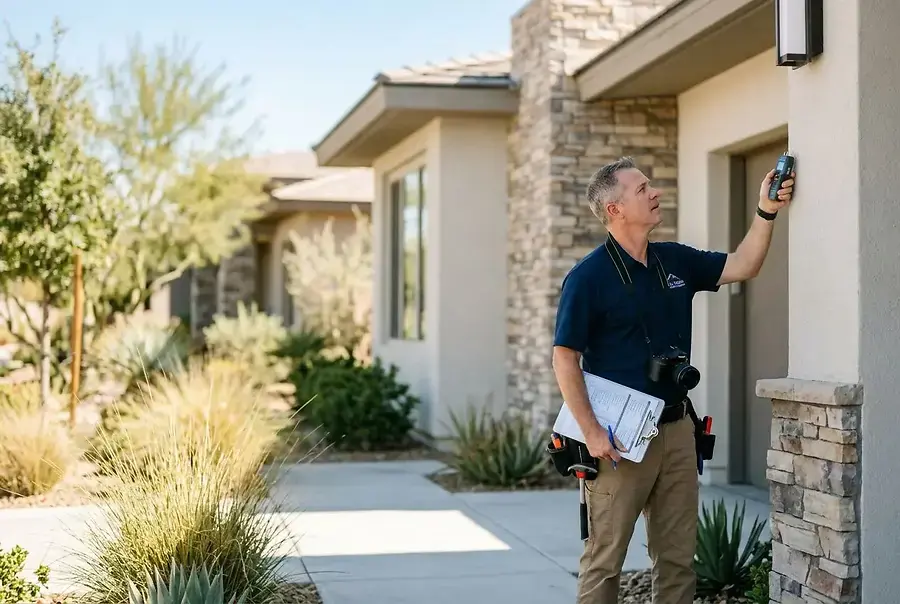
Understanding the Las Vegas Home Inspection Process
A home inspection is one of the most critical steps in purchasing property in Las Vegas. This comprehensive evaluation examines the structural integrity, mechanical systems, and overall condition of a property. Unlike a simple appraisal, which determines market value, an inspection focuses on identifying potential problems that could affect your investment.
The typical Las Vegas home inspection takes 2-4 hours and covers:
- Foundation and structural components
- Roofing and exterior surfaces
- HVAC systems and air conditioning units
- Plumbing and water systems
- Electrical systems and panels
- Interior walls, ceilings, and flooring
- Appliances and built-in fixtures
As a buyer, you have the right to be present during the inspection. This is highly recommended, as it allows you to ask questions directly and understand any concerns the inspector identifies. Professional inspectors in Las Vegas are licensed and typically charge between $300-$600 depending on property size.
Common Issues Found in Desert Properties and What They Mean
Heat and Air Conditioning Challenges
Las Vegas's extreme desert heat makes air conditioning systems work overtime. Inspectors frequently find aging or undersized AC units that struggle to maintain comfortable temperatures. If your inspection reveals a unit older than 10-15 years, budget for replacement costs ranging from $3,000-$7,000. Additionally, check for proper refrigerant levels and clean filters—common maintenance issues that affect efficiency.
Roof and Sun Damage
The intense Nevada sun deteriorates roofing materials faster than in other climates. Look for:
- Cracked or curled shingles
- Faded or discolored roofing material
- Missing granules indicating advanced wear
- Gaps or separation in roof seams
A roof in poor condition can lead to leaks and interior water damage. Expect roof replacement costs of $5,000-$15,000 depending on size and materials.
Foundation and Concrete Issues
Desert soil expands and contracts significantly with temperature changes, causing foundation stress. Inspectors look for:
- Cracks in concrete slabs or foundations
- Uneven or settling floors
- Gaps between walls and trim
- Doors and windows that don't close properly
Minor cracks are common in Las Vegas properties, but large or widening cracks warrant professional structural evaluation and may require expensive repairs.
Plumbing and Water System Problems
Hard water is prevalent in Las Vegas, causing mineral buildup in pipes and fixtures. Inspectors check for:
- Corroded or deteriorating pipes
- Low water pressure
- Water heater age and condition
- Evidence of leaks or water damage
Water heaters typically last 8-12 years. If yours is nearing the end of its lifespan, budget $1,000-$2,000 for replacement.
Electrical System Concerns
Older Las Vegas homes may have outdated electrical panels or insufficient capacity for modern appliances. Inspectors evaluate:
- Panel condition and amperage capacity
- Grounding and bonding systems
- Outlet safety and proper installation
- Signs of overheating or damage
Upgrading an electrical panel can cost $1,500-$3,000, so this finding should factor into your negotiation strategy.
Negotiating Repairs and Credits After Inspection Results
Reviewing the Inspection Report
Once you receive the detailed inspection report, take time to understand each finding. Reports categorize issues by severity—critical items require immediate attention, while minor issues may be cosmetic or easily fixable. Don't panic over every finding; focus on substantial problems affecting safety, functionality, or long-term value.
Prioritizing Your Requests
You have three options for addressing inspection findings:
- Request repairs: Ask the seller to fix critical issues before closing
- Request credits: Negotiate a price reduction to cover repair costs yourself
- Accept as-is: Proceed without requesting changes
Prioritize safety-related items and major systems over cosmetic concerns. A failing HVAC system or electrical hazard takes precedence over paint touch-ups.
Making Reasonable Requests
Sellers are more likely to accept requests that are fair and well-documented. Use the inspector's report as your foundation, and consider getting repair estimates from licensed contractors. This demonstrates you're serious and realistic about costs.
Remember: sellers may refuse extensive repair requests, especially in competitive markets. Be strategic about which issues you negotiate.
Final Steps: Using Inspection Reports to Make Confident Offers
Inspection Contingencies
Most purchase agreements include an inspection contingency—a period (typically 7-10 days) during which you can request repairs, credits, or even withdraw from the purchase if significant issues arise. Never waive this contingency without a professional inspection, regardless of market pressure.
Making Your Final Decision
After negotiating repairs or credits, decide whether the property remains a sound investment. Consider:
- Total estimated repair costs versus the purchase price
- The property's age and overall condition
- Your budget for future maintenance and upgrades
- Market conditions and comparable property values
If the inspection reveals deal-breaking issues that the seller won't address, your contingency allows you to walk away without penalty.
Moving Forward with Confidence
A thorough home inspection protects your investment and provides peace of mind. By understanding Las Vegas-specific issues, reviewing findings carefully, and negotiating strategically, you'll make an informed decision about your purchase. Work closely with your real estate agent and inspector to ensure you're not missing critical details.
The inspection process may feel overwhelming, but it's your opportunity to uncover problems before they become your responsibility. Use this knowledge to close on your Las Vegas home with confidence and clarity.