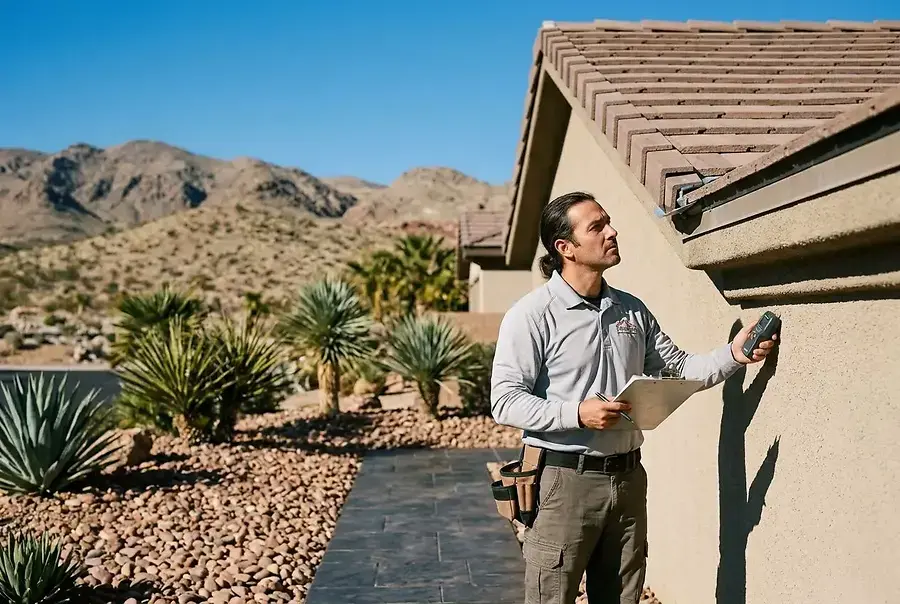
Why Home Inspections Matter in Las Vegas
Purchasing a home is one of the most significant investments you'll make in your lifetime. In Las Vegas, where the desert climate presents unique challenges, a thorough home inspection becomes even more critical. Before you sign the final papers and hand over your hard-earned money, understanding what a professional inspector looks for can save you thousands of dollars in unexpected repairs and maintenance costs.
Home inspections serve as your protection against hidden defects and structural issues that aren't visible to the untrained eye. In the Las Vegas market, where properties face intense heat, low humidity, and occasional flash flooding, certain components deteriorate faster than in other regions. A comprehensive inspection identifies these vulnerabilities early, giving you the leverage to negotiate repairs or price adjustments with the seller.
Key Areas to Inspect in Desert Climate Properties
Roof and Exterior Surfaces
The Las Vegas sun is relentless, and your roof bears the brunt of it. Inspectors examine roofing materials for signs of UV damage, cracking, and deterioration. Asphalt shingles typically last 15-20 years in Las Vegas, but the intense heat can reduce this lifespan significantly. Look for missing shingles, curling edges, and granule loss. The inspector will also check flashing around vents and chimneys, as these areas are common sources of leaks.
Exterior walls, stucco, and paint also require careful evaluation. The dry climate can cause stucco to crack and peel, allowing water infiltration during rare but intense rainstorms. Inspectors assess the condition of siding, caulking, and any visible damage that could compromise the home's integrity.
HVAC Systems and Air Conditioning
In Las Vegas, air conditioning isn't a luxury—it's a necessity. Your inspector will test the AC system thoroughly, checking refrigerant levels, compressor function, and overall cooling capacity. A failing air conditioning system can cost $5,000 to $15,000 to replace, making this one of the most important inspections you'll undergo.
The heating system, though used less frequently, should also be inspected for proper operation. Inspectors check ductwork for leaks and blockages that reduce efficiency and increase energy costs. They'll verify that the system can maintain comfortable temperatures throughout the home.
Plumbing and Water Systems
Las Vegas water is notoriously hard and mineral-rich, which affects plumbing systems differently than in other regions. Inspectors test water pressure, check for leaks under sinks and around toilets, and examine the water heater for age and condition. Hard water buildup can reduce the lifespan of pipes and fixtures, so understanding the home's water quality is essential.
The inspector will also verify that the home has adequate water pressure and that the septic system (if applicable) is functioning properly. They'll check for signs of previous water damage or mold growth, which can indicate ongoing moisture problems.
Electrical Systems
A safe electrical system is paramount. Licensed inspectors examine the electrical panel, checking for proper grounding, adequate capacity, and any signs of damage or outdated components. They test outlets and switches throughout the home to ensure they're functioning safely. Outdated wiring or an undersized electrical panel can be a fire hazard and may require expensive upgrades.
In Las Vegas homes, inspectors pay special attention to outdoor electrical outlets and lighting, as these are exposed to intense sun and heat that can degrade materials faster than normal.
Foundation and Structural Integrity
The desert soil in Las Vegas can shift and settle unevenly, potentially causing foundation issues. Inspectors look for cracks in the foundation, walls, and ceilings that might indicate structural problems. They assess whether cracks are cosmetic or structural in nature, as this distinction significantly affects repair costs.
The inspector will also check for signs of water damage, pest infestation, and proper grading around the foundation to ensure water drains away from the home rather than pooling against it.
Insulation and Energy Efficiency
Proper insulation is crucial in the desert climate where temperatures can exceed 120 degrees Fahrenheit. Inspectors verify that attic insulation is adequate and properly installed. Poor insulation leads to higher cooling costs and reduced comfort during the scorching summer months.
They'll also check for air leaks around windows, doors, and other openings that compromise energy efficiency. Upgrading insulation can be expensive, so understanding the current state helps you budget accordingly.
Working with Licensed Inspectors and Understanding Reports
Choosing the Right Inspector
Not all home inspectors are created equal. Ensure your inspector is licensed by the Nevada State Board of Contractors and carries errors and omissions insurance. Ask for references and review their experience with desert climate properties specifically. A good inspector will spend 2-3 hours thoroughly examining the home and provide a detailed written report.
Understanding Your Inspection Report
The inspection report will categorize findings into three levels: items that need immediate attention, items that should be repaired soon, and items for future monitoring. Don't panic if the report lists multiple issues—most homes have some defects. The key is understanding which issues are deal-breakers and which are manageable.
Use the inspection report as a negotiation tool. If significant repairs are needed, request that the seller either make the repairs, provide credits toward repairs, or reduce the purchase price. Many sellers prefer to provide credits, allowing you to choose your own contractors.
Follow-Up Inspections
For major systems like HVAC or plumbing, consider hiring a specialist for a more detailed evaluation. Specialist inspectors can provide cost estimates for repairs and recommendations for maintenance, helping you make informed decisions about your purchase.
Making Informed Decisions with Inspection Data
A home inspection report is your roadmap to understanding your potential purchase. Armed with this information, you can make confident decisions about whether to proceed with the purchase, negotiate repairs, or walk away from a deal that doesn't meet your needs.
Remember that no home is perfect, but understanding its condition allows you to budget for future maintenance and avoid catastrophic surprises. In Las Vegas's unique desert environment, a thorough inspection is your best defense against costly problems down the road.
Take your time reviewing the inspection report, ask questions, and don't hesitate to request additional evaluations for areas of concern. Your home is an investment worth protecting, and a comprehensive inspection is the first step toward a successful purchase.