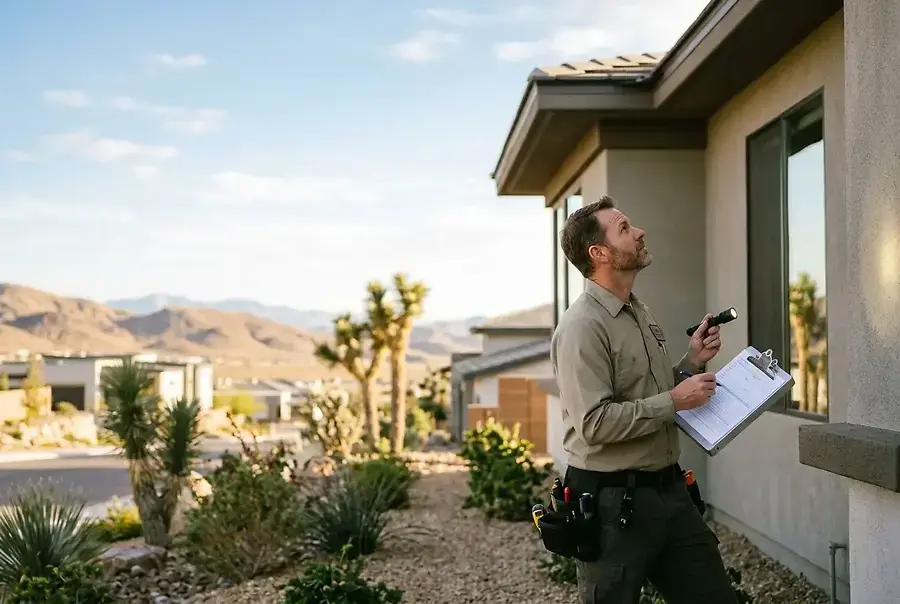
Why Property Inspections Matter in Las Vegas
Purchasing property in Las Vegas is one of the most significant financial decisions you'll make. Whether you're a first-time homebuyer or a seasoned investor, a professional property inspection is your best defense against costly surprises. The Las Vegas real estate market moves quickly, and properties can sell within days, but skipping an inspection to save time or money is a mistake you'll likely regret.
The desert climate, intense heat, and unique construction challenges in Las Vegas create specific wear-and-tear patterns that differ from other regions. A thorough inspection reveals hidden problems before you commit to a purchase, giving you the leverage to negotiate repairs or price reductions. Without this critical step, you could inherit thousands of dollars in unexpected repairs.
Property inspections protect both your financial investment and your peace of mind. They provide documented evidence of a property's condition, which is invaluable for insurance purposes, future sales, and investment decisions.
Key Areas to Inspect: Residential vs. Commercial Properties
Residential Properties
When inspecting a residential home in Las Vegas, focus on these critical areas:
- Roof and Exterior: Las Vegas sun exposure causes rapid deterioration. Inspectors check for missing shingles, cracks, and proper drainage systems that prevent water damage.
- HVAC Systems: Air conditioning is essential in the desert. Inspectors verify that cooling systems are functioning properly and sized appropriately for the home.
- Plumbing: Hard water and mineral deposits are common in Las Vegas. Inspectors test water pressure, check for leaks, and examine pipe conditions.
- Electrical Systems: Outdated wiring and overloaded circuits pose fire hazards. A thorough inspection ensures the electrical system meets current safety codes.
- Foundation and Structure: Desert soil conditions can cause foundation settling. Inspectors look for cracks, uneven floors, and structural integrity issues.
- Windows and Doors: Extreme temperature fluctuations require proper sealing. Inspectors check for air leaks and weather stripping effectiveness.
Commercial Properties
Commercial inspections in Las Vegas require a more comprehensive approach:
- Building Systems: Commercial properties need detailed reviews of HVAC, electrical, and plumbing systems designed for higher capacity and usage.
- Safety Compliance: Fire suppression systems, emergency exits, and ADA compliance are non-negotiable. Inspectors verify all safety equipment is functional and up to code.
- Roof Condition: Commercial roofs experience different stress patterns. Inspectors assess membrane integrity, drainage, and remaining lifespan.
- Parking and Grounds: Asphalt deterioration accelerates in Las Vegas heat. Inspectors evaluate parking lot conditions, landscaping, and exterior maintenance needs.
- Tenant Improvements: For multi-tenant properties, inspectors examine individual unit conditions and shared spaces.
Red Flags and Common Issues Found in Las Vegas Properties
Heat-Related Damage
Extreme temperatures cause accelerated wear on materials. Look for signs of heat damage including warped wood, faded paint, and deteriorated caulking. Air conditioning units may need replacement sooner than in other climates.
Water Damage and Flooding
While Las Vegas receives minimal rainfall, flash floods can occur during monsoon season. Inspectors check for water stains, mold, and proper grading around foundations. Basements and low-lying areas require special attention.
Pool and Spa Issues
Many Las Vegas properties include pools. Common problems include cracked plaster, faulty pumps, and improper chemical balance. These repairs can be expensive, so detailed pool inspections are essential for properties with water features.
Pest Infestations
Desert pests including termites, scorpions, and rodents are common in Las Vegas. Inspectors look for evidence of infestations and recommend pest control treatments if needed.
Outdated Systems
Older properties may have outdated electrical panels, plumbing materials, or HVAC systems. While not always deal-breakers, these issues affect functionality and safety. Budget for upgrades when purchasing older homes.
Poor Ventilation
Inadequate ventilation in attics and crawl spaces can lead to moisture problems and reduced energy efficiency. Inspectors verify that ventilation systems are properly installed and functioning.
Making Informed Decisions Through Professional Inspections
Choosing the Right Inspector
Select a licensed, experienced inspector familiar with Las Vegas properties. Verify credentials, insurance, and references before hiring. Ask about their experience with the specific property type you're purchasing—residential, commercial, or investment properties have different inspection requirements.
Understanding the Inspection Report
A comprehensive inspection report details findings by severity level. Critical issues require immediate attention, while minor concerns can often be addressed over time. Review the report carefully and ask your inspector to explain any findings you don't understand.
Negotiating Based on Inspection Results
Use inspection findings as leverage in negotiations. You can request that the seller make repairs, provide credits toward repairs, or reduce the purchase price. Document everything in writing to protect your interests.
Post-Inspection Steps
After receiving the inspection report, consider these actions:
- Request a second opinion on major issues if you have concerns
- Obtain repair estimates from licensed contractors
- Negotiate repairs or credits with the seller
- Plan for future maintenance and upgrades
- Adjust your offer price based on repair costs
Long-Term Investment Protection
Property inspections aren't just about the purchase—they're about long-term protection. Keep inspection reports for future reference and use them to plan maintenance schedules. Regular maintenance based on inspection recommendations helps preserve your property's value and prevents small issues from becoming major problems.
A professional property inspection is the most cost-effective investment you can make when purchasing real estate in Las Vegas. The few hundred dollars spent on an inspection can save you thousands in unexpected repairs and provide invaluable peace of mind.
Final Thoughts
Whether you're buying your dream home or making an investment purchase in Las Vegas, never skip the property inspection. The desert climate, rapid market pace, and unique construction challenges make thorough inspections essential. By understanding what to look for, choosing qualified inspectors, and carefully reviewing findings, you'll make informed decisions that protect your investment for years to come.