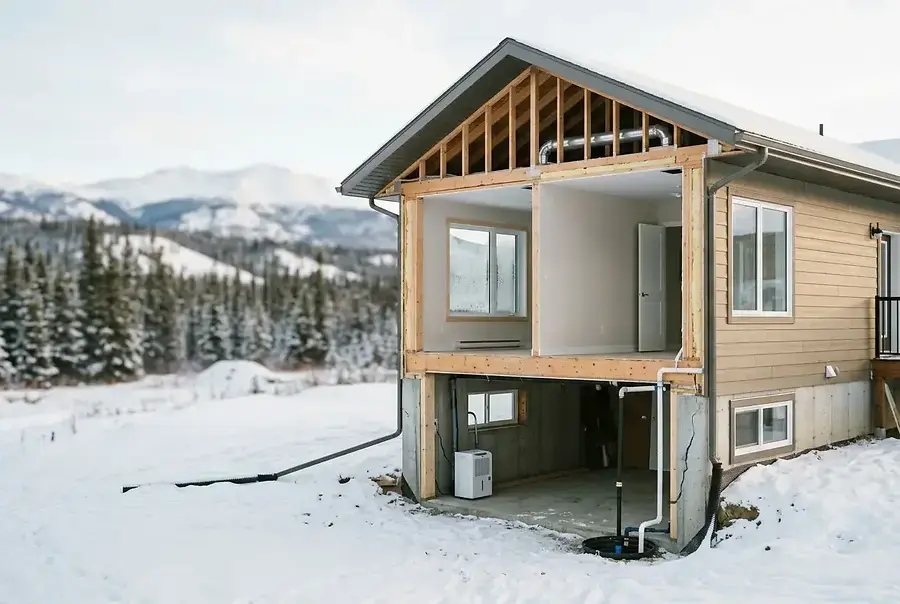
Introduction: Why Moisture Management Matters for Yukon Homeowners
Living in Yukon presents unique challenges for homeowners, particularly when it comes to managing moisture. The region's extreme temperature fluctuations, combined with seasonal precipitation and indoor heating systems, create an ideal environment for moisture-related problems. From condensation on windows to mold growth in basements, moisture issues can compromise your home's structural integrity, reduce energy efficiency, and pose health risks to your family.
Proper moisture management isn't just about comfort—it's about protecting your investment. By understanding the causes of moisture problems and implementing preventative measures, you can avoid costly repairs and maintain your home's value for years to come.
Common Moisture Issues in Yukon's Climate and How to Identify Them
Condensation and Window Frost
One of the most visible moisture problems in Yukon homes is condensation on windows and doors. During winter months, the dramatic temperature difference between heated interiors and frigid outdoor air causes moisture to condense on glass surfaces. Look for frost buildup, water droplets, or fogging on windows—these are clear signs of excess indoor humidity.
Basement Moisture and Dampness
Basements are particularly vulnerable to moisture problems. Yukon's permafrost and freeze-thaw cycles can cause foundation cracks and water seepage. Common indicators include:
- Damp or wet basement walls
- Musty odors in lower levels
- Visible mold or mildew growth
- Efflorescence (white mineral deposits on concrete)
- Water stains on walls or flooring
Attic and Roof Issues
Inadequate ventilation in attics can trap warm, moist air, leading to condensation and wood rot. Inspect your attic regularly for signs of moisture damage, including discolored insulation, soft wood, or ice damming on roof edges.
Mold and Mildew Growth
Excess moisture creates the perfect breeding ground for mold and mildew. These fungi thrive in dark, damp areas and can spread rapidly if left unchecked. Beyond aesthetic concerns, mold poses serious health risks, particularly for individuals with respiratory conditions or allergies.
Effective Prevention Strategies and Long-Term Solutions
Improve Ventilation Throughout Your Home
Proper air circulation is fundamental to moisture control. Ensure that bathroom and kitchen exhaust fans are vented directly outside, not into your attic. Run these fans during and for 20-30 minutes after showers or cooking. In living areas, maintain adequate air circulation by opening windows periodically (when weather permits) and using ceiling fans to distribute air evenly.
Control Indoor Humidity Levels
The ideal indoor humidity level for Yukon homes ranges between 30-50%. Consider installing a humidifier or dehumidifier to maintain optimal levels. Monitor humidity with an inexpensive hygrometer, and adjust your heating system settings to prevent excessive drying or moisture accumulation.
Seal and Weatherproof Your Home
Air leaks allow cold, dry outdoor air to enter your home, which then warms and creates condensation. Seal cracks and gaps around:
- Windows and doors
- Electrical outlets and switches
- Pipe penetrations
- Foundation cracks
- Attic access points
Use caulk, weatherstripping, or expanding foam to eliminate these entry points.
Maintain Your Gutters and Drainage
Clogged gutters and poor drainage are major contributors to moisture problems. Clean gutters at least twice yearly and ensure downspouts direct water at least 6 feet away from your foundation. Consider installing a sump pump in your basement if water accumulation is a recurring issue.
Upgrade Insulation and Vapor Barriers
Proper insulation with vapor barriers prevents warm interior air from reaching cold surfaces where condensation forms. If your home lacks adequate insulation, particularly in the attic and basement, upgrading can significantly reduce moisture problems. Ensure vapor barriers are installed on the warm side of insulation to prevent moisture migration.
Address Foundation Issues Promptly
Yukon's freeze-thaw cycles can cause foundation cracks to develop or expand. Inspect your foundation regularly and seal any cracks immediately using concrete sealant or epoxy injection. For serious structural issues, consult a professional contractor.
Install and Maintain Proper Grading
The ground around your home should slope away from the foundation to direct water away from your property. If water pools near your home's perimeter, consider regrading or installing a French drain system to manage surface water effectively.
Use Dehumidifiers Strategically
In particularly damp areas like basements or crawl spaces, portable or whole-home dehumidifiers can be invaluable. These devices remove excess moisture from the air and help prevent mold growth. Empty collection tanks regularly or connect units to a drainage system for continuous operation.
Regular Maintenance and Inspections
Schedule annual home inspections to catch moisture problems early. Pay special attention to:
- Roof condition and flashing
- Basement and crawl space conditions
- HVAC system performance
- Plumbing for leaks
- Exterior caulking and sealants
Conclusion: Maintaining Your Home's Value Through Proper Moisture Control
Moisture management is an ongoing responsibility for Yukon homeowners, but the effort pays dividends in the form of a healthier, more valuable property. By implementing these prevention strategies and addressing problems promptly, you can protect your home from the damaging effects of excess moisture.
Remember that early intervention is always more cost-effective than dealing with extensive water damage or mold remediation. Stay vigilant, maintain your home's systems, and don't hesitate to consult professionals when you encounter persistent moisture issues. Your proactive approach today will ensure your Yukon home remains a safe, comfortable, and valuable asset for generations to come.