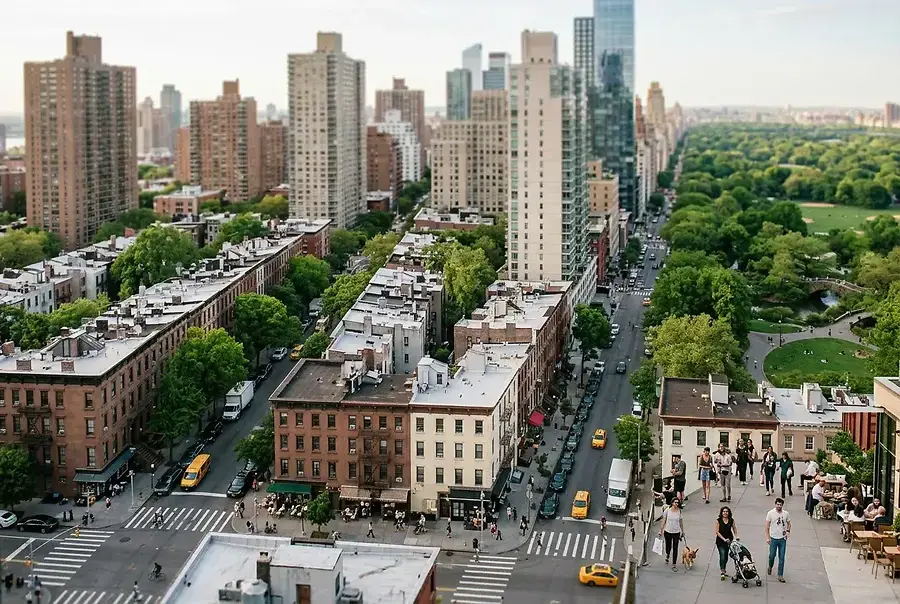
Understanding Manhattan's Neighborhood Diversity
Manhattan is a vibrant tapestry of distinct neighborhoods, each with its own character, charm, and appeal. Whether you're a young professional seeking urban energy, a family looking for community and schools, or someone who values cultural experiences and fine dining, Manhattan offers residential options tailored to virtually every lifestyle. The key to finding your ideal neighborhood lies in understanding the unique combination of walkability, amenities, and residential features that define each area.
Walkability has become increasingly important for Manhattan residents, as it directly impacts daily quality of life. A highly walkable neighborhood means you can accomplish most errands on foot, reduce reliance on transportation, and enjoy spontaneous street-level interactions that make urban living special. Beyond walkability, the presence of quality schools, parks, cultural institutions, and dining options significantly influences residential satisfaction.
Walkability Scores and Accessibility Across Key Neighborhoods
Upper West Side: The Balanced Choice
The Upper West Side consistently ranks among Manhattan's most walkable neighborhoods with a score of 92 out of 100. This area offers excellent pedestrian infrastructure, with wide sidewalks and tree-lined streets that make walking a pleasure rather than a necessity. The neighborhood benefits from proximity to Central Park, the American Museum of Natural History, and numerous independent shops and restaurants along Columbus and Amsterdam Avenues.
Key accessibility features:
- Multiple subway lines providing easy access to downtown Manhattan
- Extensive network of grocery stores, pharmacies, and local businesses
- Well-maintained sidewalks and pedestrian-friendly intersections
- Proximity to cultural institutions and educational facilities
Brooklyn Heights: The Waterfront Wonder
While technically in Brooklyn, Brooklyn Heights deserves mention for its exceptional walkability score of 94 and its appeal to Manhattan-adjacent residents. The neighborhood features the iconic Brooklyn Heights Promenade, offering stunning Manhattan views and a peaceful walking experience. The area is highly accessible via the A and C subway lines, connecting seamlessly to Manhattan.
The neighborhood combines historic brownstone charm with modern amenities, making it attractive to families and professionals alike. Tree-lined streets, local boutiques, and waterfront parks create an environment where walking is both practical and enjoyable.
Greenwich Village: The Artistic Hub
Greenwich Village boasts a walkability score of 95, making it one of Manhattan's most pedestrian-friendly neighborhoods. The area's charming, human-scaled streets and vibrant street life create an engaging walking environment. From Washington Square Park to the numerous galleries, bookstores, and cafes, there's always something to discover on foot.
The neighborhood's appeal extends beyond walkability. Its rich cultural heritage, thriving arts scene, and diverse population create a dynamic residential experience. However, this popularity comes with higher housing costs and a more transient population.
Upper East Side: The Refined Residential Area
The Upper East Side offers a walkability score of 89, slightly lower than its western counterpart but still highly accessible. The neighborhood excels in providing residential stability and family-friendly amenities. Madison Avenue and Lexington Avenue offer excellent shopping and dining, while the proximity to world-class museums and Central Park enhances the lifestyle appeal.
This neighborhood attracts established families and professionals seeking a more traditional, quieter residential experience compared to downtown Manhattan.
Lifestyle Amenities: Schools, Parks, and Cultural Institutions
Educational Excellence
For families, school quality is paramount. The Upper West Side and Upper East Side both offer access to highly-rated public schools and numerous private institutions. These neighborhoods have established reputations for educational excellence, with many schools featuring specialized programs and strong academic records.
Downtown neighborhoods like Greenwich Village and the East Village offer alternative educational options, including progressive schools and specialized programs, though public school options are more limited.
Parks and Recreation
Central Park remains Manhattan's crown jewel for outdoor recreation, making neighborhoods on both the Upper West and Upper East Sides particularly attractive. However, other neighborhoods offer unique park experiences:
- Washington Square Park in Greenwich Village provides community gathering space and cultural events
- Sara D. Roosevelt Park in the Lower East Side offers green space in a densely populated area
- Hudson River Greenway provides waterfront access and recreational opportunities for West Side residents
- Madison Square Park serves the Flatiron District with seasonal programming and dining
Cultural Institutions and Dining
Manhattan's cultural offerings are unparalleled. The Upper West Side hosts the American Museum of Natural History, Lincoln Center, and the New York Historical Society. The Upper East Side features the Metropolitan Museum of Art, the Guggenheim, and numerous galleries. Downtown neighborhoods offer cutting-edge galleries, independent theaters, and innovative dining establishments.
The diversity of cultural institutions means that nearly every Manhattan neighborhood offers unique artistic and intellectual experiences within walking distance.
Dining and Retail
Each neighborhood has developed its own culinary identity. The Upper West Side features a mix of casual neighborhood restaurants and upscale dining. Greenwich Village offers eclectic international cuisine and historic establishments. The East Village is known for innovative, trendy restaurants and late-night dining options. The Upper East Side caters to more traditional fine dining preferences.
Finding Your Perfect Manhattan Residential Match
Choosing a Manhattan neighborhood requires balancing multiple factors. Consider your lifestyle priorities:
For families prioritizing schools and parks: The Upper West Side and Upper East Side offer the best combination of educational institutions, green space, and family-friendly amenities.
For young professionals seeking cultural engagement: Greenwich Village, the East Village, and the Lower East Side provide walkability, nightlife, and artistic communities.
For those valuing quiet residential stability: The Upper East Side and parts of the Upper West Side offer established, quieter neighborhoods with strong community bonds.
For culture enthusiasts: Downtown neighborhoods provide proximity to cutting-edge galleries, theaters, and experimental dining.
Manhattan's greatest strength lies in its diversity—there truly is a neighborhood for every lifestyle and preference.
Before making your decision, spend time walking through potential neighborhoods at different times of day. Visit local parks, explore shops and restaurants, and talk to current residents. The neighborhood that feels right to you will ultimately provide the best residential experience, regardless of walkability scores or amenity lists.
Manhattan continues to evolve, with neighborhoods constantly developing new amenities and attractions. Whether you choose the established elegance of the Upper East Side, the cultural vibrancy of Greenwich Village, or the emerging energy of downtown neighborhoods, you'll find that Manhattan offers a uniquely walkable, amenity-rich residential experience unmatched in most American cities.
