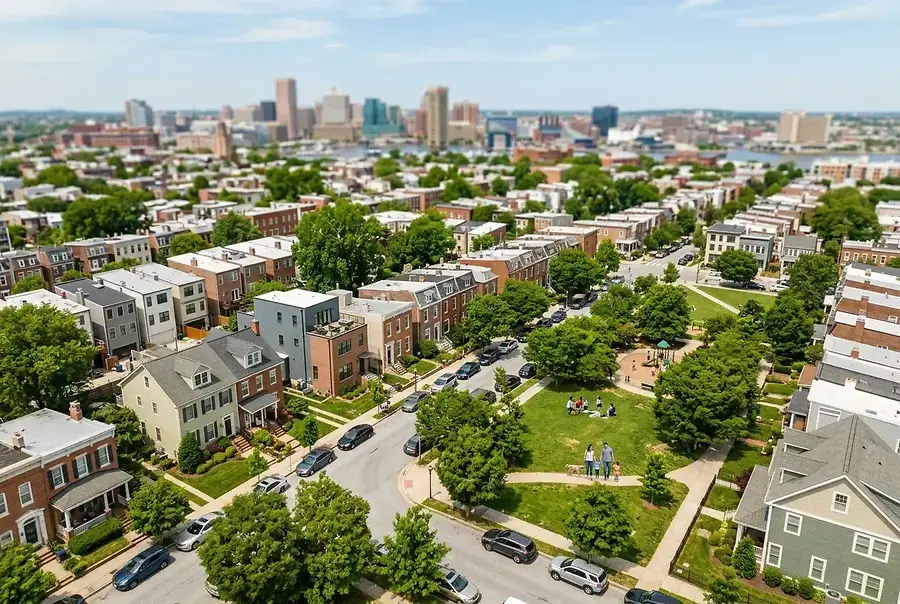
Understanding Current Market Dynamics in the Baltimore Metro Region
The Baltimore metropolitan area is experiencing a fascinating shift in its residential real estate landscape. The market has become increasingly sophisticated, with multiple factors working in concert to shape property values across different communities. Understanding these dynamics is essential for both buyers and sellers looking to make informed decisions.
The region's housing market reflects broader economic trends, including shifts in employment patterns, population migration, and changing lifestyle preferences. Properties in the Baltimore metro are seeing varied appreciation rates depending on their location and characteristics. Some neighborhoods are experiencing renewed interest from young professionals and families, while others maintain steady, reliable value growth.
Economic Factors Influencing the Market
Interest rates, mortgage availability, and overall economic conditions continue to play significant roles in determining home values. The Baltimore metro has benefited from its proximity to major employment centers and its relatively affordable housing compared to neighboring regions. This positioning has attracted investors and homebuyers seeking value without sacrificing access to urban amenities.
Local employment growth in sectors such as healthcare, technology, and professional services has strengthened buyer demand. Communities with strong job markets and diverse economic opportunities tend to see more stable and appreciating property values.
How Location and Community Features Impact Home Values
Location remains the cornerstone of real estate value, and in the Baltimore metro, this principle is more relevant than ever. The desirability of a neighborhood is determined by numerous interconnected factors that collectively influence what buyers are willing to pay.
Proximity to Employment and Transportation
Homes within reasonable commuting distance to major employment hubs command premium prices. The Baltimore metro's extensive transportation network, including highways and public transit options, significantly impacts property values. Communities with easy access to I-95, I-83, and the Baltimore-Washington Parkway tend to attract more buyers and maintain stronger values.
School Quality and Educational Opportunities
School systems remain one of the most influential factors in home value determination. Neighborhoods served by highly-rated schools consistently see stronger demand and higher property appreciation. Families prioritize educational quality, and this preference directly translates into market value.
Amenities and Community Character
The presence of parks, recreational facilities, shopping centers, and dining options significantly enhances neighborhood appeal. Communities that offer a vibrant mix of amenities attract diverse buyer demographics. Waterfront properties, homes near green spaces, and neighborhoods with distinctive character command premium valuations.
- Parks and Recreation: Access to quality outdoor spaces increases property desirability
- Retail and Dining: Walkable neighborhoods with diverse shopping and restaurant options attract buyers
- Cultural Attractions: Proximity to museums, theaters, and entertainment venues adds value
- Safety and Community Services: Well-maintained neighborhoods with strong public services maintain higher values
What Buyers Are Prioritizing in Today's Residential Market
Modern homebuyers have evolved in their preferences, and understanding these priorities is crucial for sellers and real estate professionals. The contemporary buyer considers far more than just square footage and number of bedrooms.
Flexibility and Functional Spaces
With remote work becoming increasingly common, buyers now prioritize homes with dedicated office spaces, high-speed internet infrastructure, and flexible room configurations. Properties that can adapt to multiple uses—such as guest rooms that double as home offices—command higher valuations. This shift has fundamentally changed what constitutes a desirable home layout.
Energy Efficiency and Sustainability
Environmental consciousness is no longer a niche concern; it's mainstream. Buyers actively seek homes with energy-efficient systems, updated insulation, solar panel options, and sustainable building materials. These features not only reduce long-term operating costs but also appeal to environmentally-minded purchasers willing to pay premiums for green homes.
Home Technology and Smart Features
Smart home technology has transitioned from luxury to expectation. Homes equipped with modern security systems, automated climate control, smart lighting, and integrated entertainment systems appeal to tech-savvy buyers. These upgrades can significantly influence perceived value and buyer satisfaction.
Outdoor Living Spaces
The pandemic accelerated interest in outdoor amenities. Buyers now prioritize homes with quality decks, patios, landscaping, and yard space. Properties with well-designed outdoor living areas that extend the usable living space command premium prices in the current market.
"The most successful properties in today's market are those that combine location advantages with modern amenities and flexible functionality. Buyers are willing to invest in homes that meet their evolving lifestyle needs."
Positioning Your Home Competitively in a Changing Market
For homeowners looking to sell or maximize their property value, strategic positioning is essential. Understanding market trends allows you to make targeted improvements that yield the best return on investment.
Strategic Home Improvements
Not all renovations deliver equal returns. Focus on improvements that address buyer priorities: kitchen and bathroom updates, energy efficiency upgrades, and creating functional home office spaces. These improvements typically offer strong returns and appeal to the broadest buyer base.
Effective Marketing and Presentation
In a competitive market, how you present your home matters tremendously. Professional photography, virtual tours, and compelling descriptions help your property stand out. Highlighting unique features, community amenities, and proximity to desirable locations can significantly influence buyer perception and offer prices.
Pricing Strategy
Accurate pricing based on comparable sales, market conditions, and property-specific features is critical. Overpricing can result in extended time on market and reduced buyer interest, while underpricing leaves money on the table. Working with experienced real estate professionals who understand local market dynamics ensures optimal pricing.
Timing and Market Awareness
Understanding seasonal market trends and broader economic conditions helps determine the optimal time to list. Some neighborhoods and property types perform better during specific seasons. Market awareness allows sellers to capitalize on peak demand periods.
The Baltimore metro residential market continues to evolve, presenting both challenges and opportunities for buyers and sellers. By understanding the factors that drive value—location, amenities, buyer preferences, and market dynamics—you can make informed decisions that align with your real estate goals. Whether you're buying, selling, or simply curious about your home's value, staying informed about these trends is essential for success in today's dynamic market.