Introduction: The Shift to Digital Property Showcasing
The real estate industry has undergone a dramatic transformation. Gone are the days when buyers relied solely on in-person showings to evaluate properties. Virtual home tours have become an essential tool for real estate professionals, fundamentally changing how properties are marketed and sold.
This shift isn't just a trend—it's a necessity. Buyers now expect to explore properties online before scheduling visits, and agents who master virtual showcasing gain a significant competitive advantage. Properties with high-quality virtual tours receive more inquiries and sell faster than those without them. Whether you're selling a cozy apartment or a sprawling estate, understanding how to create compelling digital experiences is crucial for success in today's market.
Essential Technology and Tools for Creating Professional Virtual Tours
360-Degree Photography and Video
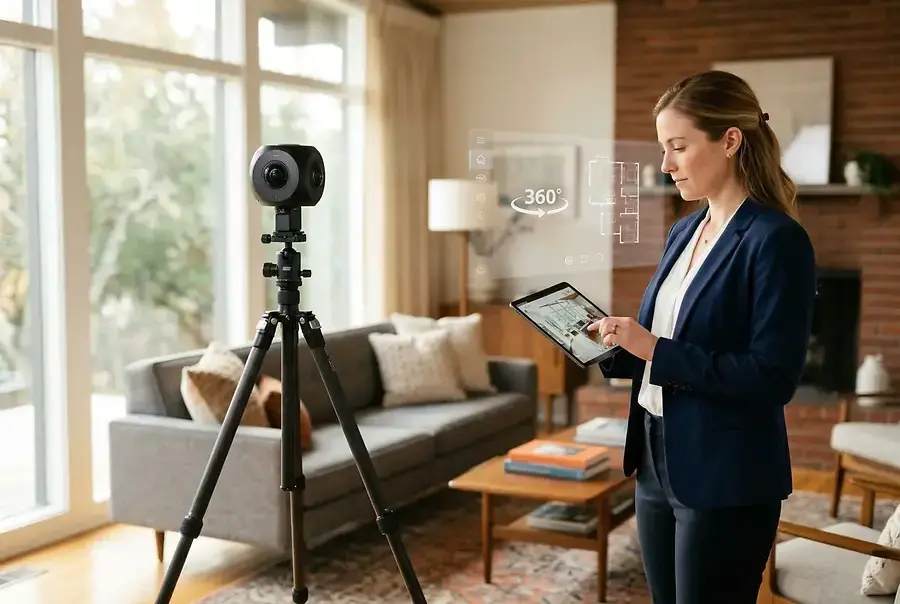
The foundation of any virtual tour is high-quality visual content. 360-degree cameras capture every angle of a room, allowing buyers to explore spaces as if they were physically present. These cameras have become more affordable and user-friendly, making them accessible to agents of all experience levels.
- Invest in a quality 360-degree camera with at least 4K resolution
- Ensure proper lighting to showcase rooms in their best condition
- Capture multiple angles and perspectives of each space
- Include outdoor areas, gardens, and neighborhood views
Virtual Tour Platforms and Software
Once you've captured your imagery, you'll need a platform to host and present your virtual tour. Leading platforms like Matterport, iGuide, and Zillow 3D Home offer intuitive interfaces that transform raw images into interactive experiences.
These platforms typically offer:
- Interactive floor plans with clickable navigation
- Measurement tools for buyer convenience
- Integration with major real estate listing sites
- Analytics to track buyer engagement and interest
- Mobile optimization for on-the-go viewing
Drone Photography and Aerial Views
Don't overlook the power of aerial perspectives. Drone photography provides stunning views of the property's exterior, landscaping, and neighborhood context. This is particularly valuable for properties with significant outdoor space or unique architectural features.
"Aerial views can increase buyer interest by up to 40% and help properties stand out in competitive markets."
Best Practices for Presenting Your Property in Its Best Light Online
Preparation and Staging
Before you press record, proper preparation is essential. Virtual tours showcase every detail, so attention to cleanliness and organization is paramount.
- Deep clean all spaces thoroughly
- Declutter rooms to highlight their true size and potential
- Remove personal items and family photos
- Arrange furniture to create an open, inviting flow
- Ensure all lights are functioning and rooms are well-lit
- Add fresh flowers or subtle staging elements to enhance appeal
Lighting and Color Optimization
Lighting dramatically affects how properties appear in virtual tours. Natural light is ideal, but supplemental lighting ensures consistent, flattering results throughout the day.
Consider these lighting strategies:
- Schedule shoots during optimal daylight hours
- Use soft, diffused lighting to avoid harsh shadows
- Highlight architectural features with strategic lighting
- Ensure neutral color palettes photograph well
- Test camera settings to achieve accurate color representation
Creating a Compelling Narrative
A great virtual tour tells a story. Guide buyers through the property in a logical sequence that highlights its best features and flow. Start with curb appeal, move through main living areas, then showcase bedrooms and bathrooms.
Enhance your tour with:
- Professional narration describing key features and benefits
- Text overlays highlighting special amenities
- Background music that sets an appropriate mood
- Information about neighborhood attractions and schools
- Details about recent renovations or upgrades
Mobile Optimization and Accessibility
Most property searches now happen on mobile devices. Ensure your virtual tours are fully optimized for smartphones and tablets. The experience should be seamless whether viewed on a large monitor or a small screen.
Additionally, consider accessibility features:
- Provide captions for any narration
- Ensure navigation controls are intuitive and easy to use
- Optimize file sizes for faster loading on mobile networks
- Test across different devices and browsers
Engagement and Analytics
Track how buyers interact with your virtual tours. Most platforms provide analytics showing which areas receive the most attention, how long viewers spend in each room, and where they drop off. Use this data to refine future tours and identify potential issues with property presentation.
Conclusion: Staying Competitive in a Digital-First Real Estate Market
Virtual home tours are no longer optional—they're essential. Real estate professionals who embrace this technology and master its execution will thrive in an increasingly digital marketplace. By investing in quality equipment, learning professional platforms, and following best practices for property presentation, you can create immersive experiences that captivate buyers and accelerate sales.
The properties that sell fastest aren't always the most expensive or the most luxurious. They're the ones presented most effectively. Start implementing virtual tours today, and watch as your buyer engagement, inquiry rates, and closing times improve dramatically. The future of real estate is digital, and the time to master it is now.