What is the Florida Homestead Exemption and Who Qualifies
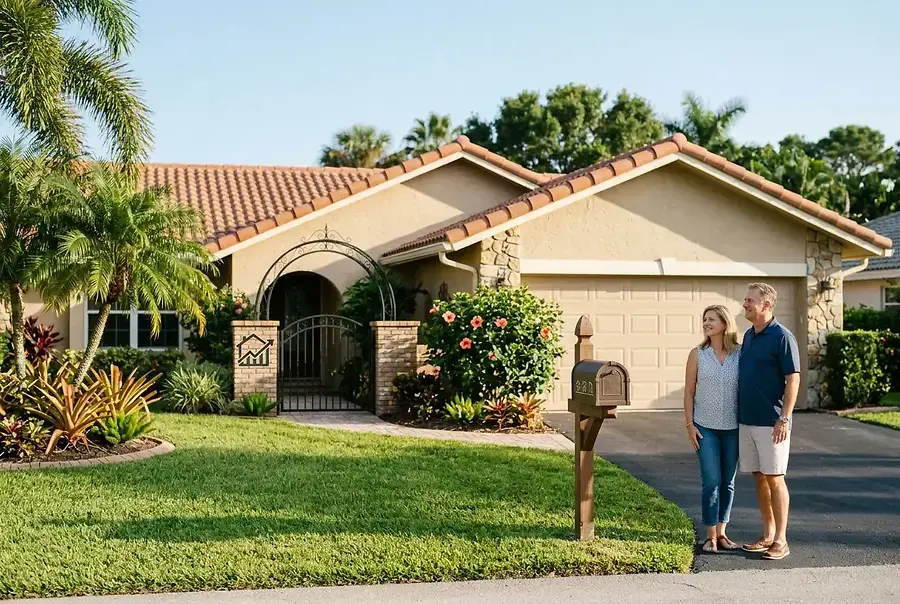
The Florida homestead exemption is one of the most valuable benefits available to property owners in the state. This exemption reduces the assessed value of your primary residence, which directly lowers your property tax bill. If you own a home in Florida and use it as your primary residence, you may be eligible for this significant tax break.
To qualify for the homestead exemption, you must meet several key requirements:
- Primary Residence: The property must be your permanent home where you live the majority of the year
- Florida Residency: You must be a Florida resident and have established domicile in the state
- Ownership: You must own the property, either individually or jointly with a spouse
- Application: You must formally apply for the exemption through your county property appraiser's office
The homestead exemption provides a $50,000 exemption on the assessed value of your home. This means if your home is valued at $300,000, the taxable value would be reduced to $250,000. For homeowners age 65 and older, or those who are disabled or veterans, additional exemptions may be available, potentially increasing your savings even further.
Calculating Your Tax Savings: Real Numbers for Homestead Homeowners
Understanding the actual dollar amount you'll save is crucial for planning your finances. Let's look at some real-world examples of how the homestead exemption impacts property taxes.
Example 1: Average Home Value
Consider a homeowner with a property valued at $350,000 in a county with a millage rate of 0.85% (which is typical for many Florida counties):
- Without Homestead Exemption: $350,000 × 0.0085 = $2,975 in annual property taxes
- With Homestead Exemption: ($350,000 - $50,000) × 0.0085 = $2,550 in annual property taxes
- Annual Savings: $425 per year
Example 2: Higher-Value Property
For a home valued at $500,000 with the same millage rate:
- Without Homestead Exemption: $500,000 × 0.0085 = $4,250 in annual property taxes
- With Homestead Exemption: ($500,000 - $50,000) × 0.0085 = $3,825 in annual property taxes
- Annual Savings: $425 per year
Note: The actual savings depend on your county's millage rate, which varies throughout Florida. Contact your county property appraiser for your specific rate.
Over a 10-year period, these savings can add up to thousands of dollars that you can reinvest in your home or other priorities. The homestead exemption is essentially free money that many homeowners leave on the table by not applying.
The Application Process: Steps to Claim Your Exemption
Applying for the homestead exemption is straightforward and can be completed in just a few steps. Here's what you need to do:
Step 1: Gather Required Documents
Before you apply, collect the following documents:
- Proof of Florida residency (driver's license, voter registration, or utility bill)
- Proof of ownership (deed or mortgage statement)
- Social Security number
- Valid identification
Step 2: Contact Your County Property Appraiser
Locate your county property appraiser's office online or visit in person. Most counties now offer online applications through their websites, making the process even more convenient. You can typically find the application form on your county's official website.
Step 3: Complete the Application
Fill out the homestead exemption application form completely and accurately. The form will ask for basic information about you, your property, and your residency status. Double-check all information before submitting to avoid delays.
Step 4: Submit Your Application
You can submit your application online, by mail, or in person at your county property appraiser's office. Applications must typically be filed by March 1st to take effect for that tax year, though some counties may have different deadlines. Check with your specific county for their deadline.
Step 5: Receive Confirmation
Once approved, you'll receive confirmation from the property appraiser's office. The exemption will appear on your property tax bill in the following tax year.
Additional Protections: Homestead Laws Beyond Tax Breaks
The homestead exemption offers more than just tax savings. Florida's homestead laws provide important legal protections for homeowners.
Protection Against Creditors
One of the most valuable protections is homestead exemption from creditors. If you have a homestead exemption on your primary residence, creditors cannot force the sale of your home to satisfy most debts. This protection is invaluable if you face financial hardship.
Portability of the Exemption
If you sell your current home and purchase a new primary residence in Florida, you can transfer your homestead exemption to the new property. This means you won't lose your tax benefits when you move within the state.
Cap on Assessment Increases
Florida's Save Our Homes Amendment limits how much your property's assessed value can increase each year. Once you have a homestead exemption, your assessment can increase by no more than 3% per year, regardless of how much your home's market value increases. This provides long-term protection against skyrocketing property taxes.
Widow or Widower Exemption
If you're a surviving spouse of a homestead exemption holder, you may be eligible to continue receiving the exemption. This provides important financial protection during a difficult time.
Don't miss out on these valuable protections and savings. If you own a home in Florida and haven't applied for the homestead exemption, now is the time to take action. Contact your county property appraiser's office today to learn more about your eligibility and begin the application process. Your future financial security may depend on it.