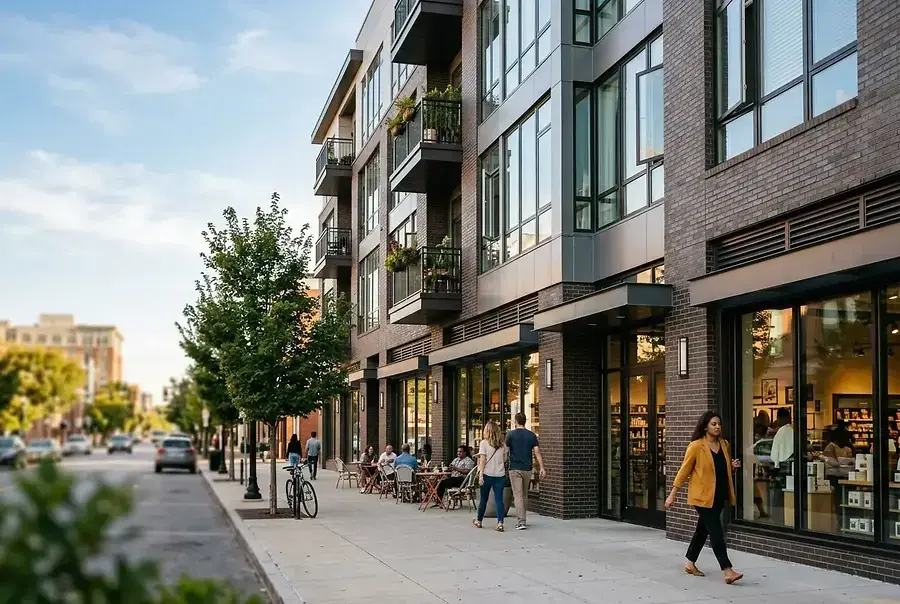
Introduction: The Growing Appeal of Mixed-Use Properties in Delaware
Delaware's real estate market is experiencing a significant shift toward mixed-use properties that combine residential and commercial spaces under one roof. These hybrid developments offer investors a unique opportunity to diversify their portfolios while capitalizing on the state's growing urban centers. From Wilmington to Dover, mixed-use properties are transforming neighborhoods and creating new revenue streams for savvy investors.
The appeal of mixed-use real estate lies in its versatility and income potential. By combining residential units with retail, office, or hospitality spaces, investors can generate multiple revenue sources from a single property. This approach not only maximizes land utilization but also creates vibrant communities that attract both residents and businesses.
Zoning Regulations and Compliance for Residential-Commercial Properties
Understanding Delaware's Zoning Framework
Before investing in mixed-use properties, it's essential to understand Delaware's zoning regulations. Each city and county has its own zoning ordinances that dictate what types of mixed-use developments are permitted. Successful investors take time to research local zoning codes and work with municipal planners to ensure compliance.
Delaware's major cities have varying zoning requirements:
- Wilmington: Offers flexible zoning in downtown areas to encourage mixed-use development
- Dover: Supports mixed-use projects in designated revitalization zones
- Newark: Promotes student-oriented mixed-use properties near the university
- Rehoboth Beach: Encourages seasonal mixed-use developments in commercial districts
- Middletown: Supports residential-commercial combinations in town centers
Compliance and Permitting Process
Obtaining the necessary permits for mixed-use properties requires careful planning and documentation. Work with local architects and compliance specialists to navigate the permitting process efficiently. Most Delaware municipalities require detailed site plans, environmental assessments, and traffic studies before approval.
Key compliance considerations include:
- Parking requirements for both residential and commercial tenants
- Building code standards for mixed-use occupancies
- Environmental impact assessments
- Public hearing and community approval processes
- Accessibility standards for commercial spaces
Investment Strategies for Hybrid Properties Across Delaware Cities
Identifying High-Potential Markets
Delaware's top mixed-use investment opportunities are concentrated in urban centers and revitalization zones. Investors should focus on areas with strong population growth, improving infrastructure, and supportive local policies. Cities like Wilmington, Dover, and Newark offer excellent prospects for mixed-use development due to their economic growth and urban renewal initiatives.
Revenue Optimization Strategies
Maximizing returns from mixed-use properties requires strategic tenant selection and space allocation. Consider the following approaches:
- Ground Floor Retail: Lease commercial space to high-traffic retailers or restaurants to generate consistent revenue
- Upper-Level Residential: Offer apartments or condominiums to create stable, long-term rental income
- Office Spaces: Rent professional offices to service providers, consultants, and small businesses
- Mixed Demographics: Target diverse tenant bases to reduce vacancy risk and ensure steady cash flow
Financing Mixed-Use Properties
Financing mixed-use properties can be more complex than traditional real estate investments. Lenders often view these properties as higher risk due to their complexity, so having a solid business plan is crucial. Consider working with lenders experienced in mixed-use development, such as community banks and specialized commercial lenders.
"Mixed-use properties represent the future of urban development in Delaware. Investors who understand the market dynamics and regulatory landscape are positioned to achieve exceptional returns."
Property Management Considerations
Managing mixed-use properties requires expertise in both residential and commercial real estate. Hire experienced property managers who understand the unique challenges of operating hybrid properties. Key management responsibilities include:
- Coordinating maintenance for diverse tenant types
- Managing shared amenities and common areas
- Balancing residential tenant comfort with commercial operations
- Handling lease negotiations for multiple property types
- Maintaining compliance with all applicable regulations
Market Trends and Future Outlook
Delaware's mixed-use real estate market continues to evolve with changing consumer preferences and economic conditions. Investors should stay informed about emerging trends such as remote work flexibility, sustainable building practices, and experiential retail. Properties that adapt to these trends will maintain competitive advantages and attract quality tenants.
Conclusion: Building Your Mixed-Use Real Estate Portfolio
Mixed-use real estate in Delaware presents compelling opportunities for investors seeking diversified income streams and portfolio growth. By understanding zoning regulations, identifying high-potential markets, and implementing strategic investment approaches, you can maximize returns while contributing to community development.
Success in mixed-use real estate requires thorough research, careful planning, and professional guidance. Start by exploring Delaware's top 10 cities, understanding local regulations, and connecting with experienced real estate professionals. With the right strategy and execution, mixed-use properties can become a cornerstone of your real estate investment portfolio.
The future of Delaware's real estate market belongs to investors who embrace innovation and adaptability. Now is the time to explore mixed-use opportunities and position yourself for long-term success in this dynamic market.