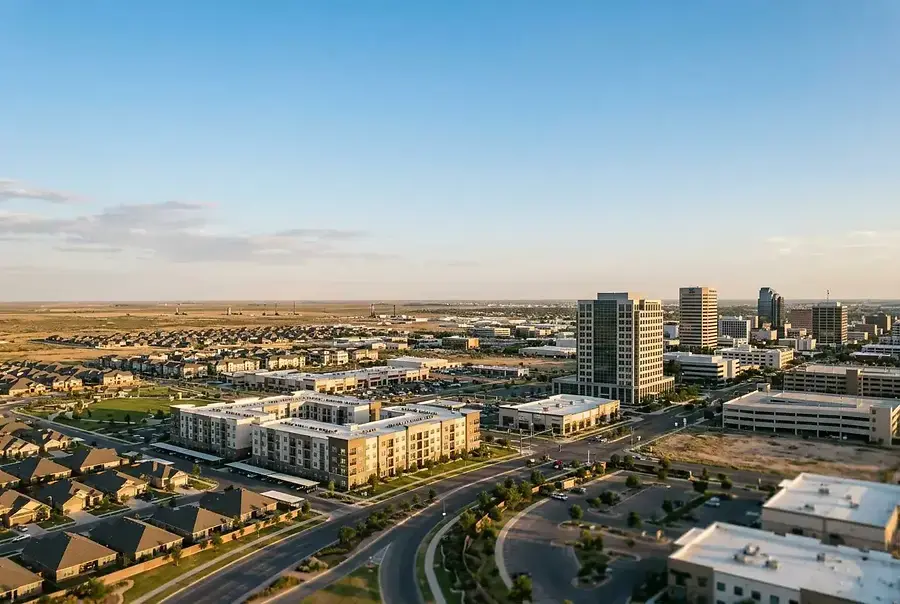
Understanding the Regional Market Dynamics: From Energy Hubs to Emerging Growth Centers
West Texas represents one of the most dynamic real estate markets in the United States, driven by a diverse economic foundation that extends far beyond traditional energy sectors. The region, anchored by Midland and Odessa in the Permian Basin, has evolved into a multifaceted investment landscape offering opportunities for both seasoned and emerging investors.
The Permian Basin continues to serve as a global energy powerhouse, but its economic influence now encompasses technology, healthcare, education, and retail sectors. This diversification creates a stable foundation for real estate appreciation and rental income generation. Midland, known as the "Tall City," has experienced significant population growth and infrastructure development, while Odessa offers emerging opportunities for value-conscious investors.
Frisco, located in the Dallas-Fort Worth metroplex, represents a different market segment characterized by rapid suburban expansion and corporate relocation. Understanding these distinct market dynamics is essential for crafting an effective investment strategy.
Key Market Indicators
Several factors make West Texas markets particularly attractive:
- Population Growth: Steady migration to the region drives demand for residential and commercial properties
- Economic Diversification: Reduced dependence on oil and gas creates market stability
- Affordable Entry Points: Compared to major metropolitan areas, property prices remain competitive
- Infrastructure Development: Ongoing investments in roads, schools, and utilities enhance property values
Residential Investment Strategies: Building Wealth Through Single-Family and Multi-Unit Properties
Residential real estate forms the foundation of most successful investment portfolios in West Texas. The region offers multiple pathways to generate wealth through property appreciation and rental income.
Single-Family Home Investments
Single-family homes remain the most accessible entry point for residential investors. In Midland and Odessa, well-maintained homes in growing neighborhoods offer strong rental yields and appreciation potential. Focus on properties in established subdivisions with good schools and amenities, as these attract quality tenants and command premium rental rates.
The Frisco market presents opportunities for higher-end single-family investments, particularly in master-planned communities. These properties appeal to corporate relocations and executive-level tenants, ensuring stable, long-term rental income.
Multi-Unit Property Opportunities
Apartment complexes and duplex investments provide superior cash flow compared to single-family rentals. The West Texas market shows strong demand for quality multi-unit properties, particularly in the 4-12 unit range. These properties benefit from economies of scale while remaining manageable for individual investors.
Consider the following when evaluating multi-unit properties:
- Proximity to employment centers and major employers
- Existing tenant quality and lease terms
- Deferred maintenance and capital improvement needs
- Market rent rates and occupancy trends
Build-to-Rent Strategies
New construction offers advantages in West Texas markets where land remains relatively affordable. Building new rental properties allows investors to customize units for tenant preferences, minimize maintenance issues, and benefit from modern efficiency standards that reduce operating costs.
Commercial Real Estate Opportunities: Office, Retail, and Industrial Assets Across West Texas
Commercial real estate in West Texas presents sophisticated investors with substantial opportunities across multiple asset classes.
Office Space Investments
The shift toward hybrid work models has created unique opportunities in West Texas office markets. Class A office space in Midland's downtown corridor and Frisco's corporate parks commands premium rents from energy companies, professional services firms, and technology startups. Investors should focus on properties with long-term, creditworthy tenants to ensure stable income streams.
Retail and Mixed-Use Properties
Retail properties in West Texas benefit from consistent consumer spending driven by regional population growth. Mixed-use developments that combine retail, office, and residential components are particularly attractive, as they diversify income sources and appeal to a broader tenant base.
Key retail sectors to consider:
- Essential services (grocery, pharmacy, healthcare)
- Dining and entertainment venues
- Professional services (dental, legal, accounting)
- Specialty retail with strong local demand
Industrial and Logistics Properties
Industrial real estate has emerged as a star performer in West Texas markets. The region's strategic location, transportation infrastructure, and growing distribution needs create strong demand for warehouse and logistics facilities. E-commerce growth and supply chain diversification continue to drive industrial property values upward.
Industrial properties offer several advantages:
- Long-term lease agreements with established companies
- Lower tenant turnover compared to retail
- Minimal tenant improvement requirements
- Strong appreciation potential in emerging markets
Creating Your Multi-Market Investment Action Plan
Success in West Texas real estate requires a strategic, disciplined approach that accounts for regional variations and individual investment goals.
Step 1: Define Your Investment Objectives
Begin by clarifying whether you prioritize cash flow, appreciation, or a balanced approach. Determine your risk tolerance, investment timeline, and capital availability. These factors will guide all subsequent decisions regarding property type, location, and market selection.
Step 2: Conduct Thorough Market Research
Each West Texas market has distinct characteristics. Study employment trends, population projections, school ratings, and infrastructure development plans. Connect with local real estate professionals, property managers, and other investors to gain insider perspectives on market conditions and emerging opportunities.
Step 3: Build Your Investment Team
Successful investors surround themselves with knowledgeable professionals including real estate agents, property managers, accountants, and attorneys familiar with West Texas markets. These relationships prove invaluable for identifying off-market deals, managing properties efficiently, and optimizing tax strategies.
Step 4: Start with Your Strongest Market
Rather than spreading resources too thin across multiple markets, establish a strong foothold in one market before expanding. This approach allows you to develop deep market knowledge, build local relationships, and create operational efficiencies before diversifying.
Step 5: Implement Systematic Acquisition and Management
Develop clear criteria for property acquisition and stick to your standards. Avoid emotional decisions and maintain disciplined underwriting practices. Once properties are acquired, implement professional management systems that maximize efficiency and tenant satisfaction.
Step 6: Monitor and Adapt
Real estate markets evolve continuously. Regularly review your portfolio performance, stay informed about market changes, and adjust your strategy as needed. What works today may require modification tomorrow, and successful investors remain flexible and responsive to market conditions.
West Texas real estate offers compelling opportunities for investors willing to understand regional dynamics and execute disciplined strategies. By combining thorough research, professional guidance, and systematic execution, investors can build substantial wealth across Midland, Odessa, Frisco, and surrounding communities.