Understanding Zoning Classifications and Local Regulations
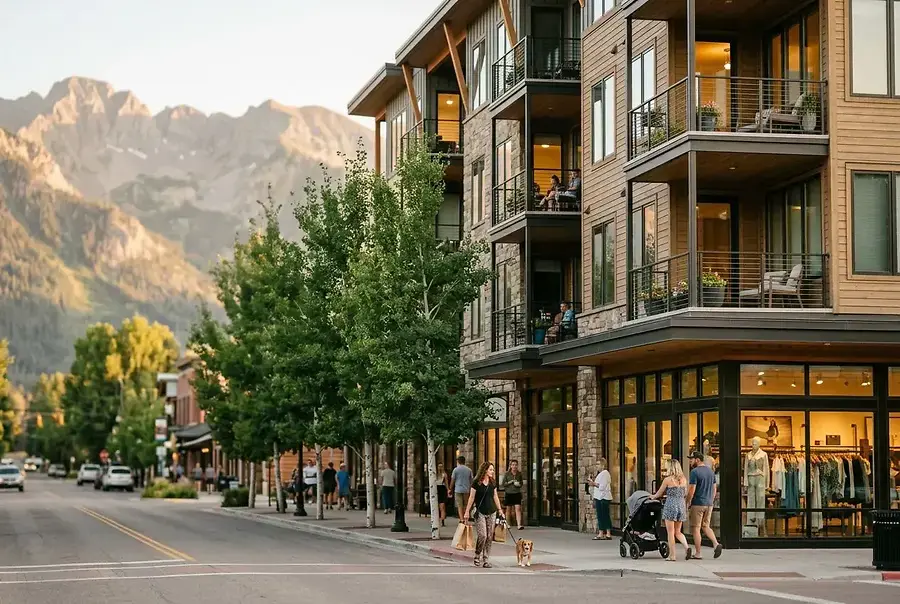
Multi-use property zoning represents one of the most dynamic opportunities for real estate investors in Central Idaho. The region's growing communities—Ketchum, Twin Falls, Mackay, and Hailey—have increasingly embraced mixed-use development to accommodate both residential and commercial activities on a single property. Understanding these zoning classifications is the first step toward unlocking significant investment potential.
Each community in Central Idaho maintains distinct zoning ordinances tailored to its unique character and growth patterns. Ketchum, known for its upscale mountain lifestyle, permits residential-commercial combinations primarily in designated downtown and village center zones. Twin Falls offers broader flexibility with multiple overlay districts that encourage mixed-use development throughout the city. Hailey has developed comprehensive mixed-use zones that seamlessly blend residential units with retail and office spaces. Mackay, while smaller, has adapted its zoning code to allow complementary commercial uses within residential areas.
Key Zoning Categories
Understanding the specific zoning categories available in your target community is essential:
- Mixed-Use Residential (MUR): Allows residential units with ground-floor commercial spaces, ideal for creating vibrant street-level activity
- Residential-Office (RO): Permits home-based businesses and professional offices within residential properties
- Village Center (VC): Encourages diverse uses including apartments, shops, restaurants, and offices in walkable environments
- Overlay Districts: Special zoning layers that modify underlying regulations to encourage specific development patterns
How Multi-Use Properties Generate Dual Income Streams
The financial appeal of multi-use properties lies in their ability to generate revenue from multiple sources simultaneously. Rather than relying on a single income stream, property owners can capitalize on both residential and commercial demand within the same footprint.
Residential Income Potential
The residential component of a multi-use property provides stable, long-term income. Central Idaho communities attract both permanent residents and seasonal visitors, creating consistent demand for rental housing. Properties in Ketchum and Hailey particularly benefit from high rental rates driven by tourism and seasonal employment. A well-maintained residential unit can generate predictable monthly revenue while building equity through property appreciation.
Commercial Revenue Opportunities
The commercial component opens doors to diverse revenue models. Ground-floor retail spaces, professional offices, restaurants, or service businesses can command premium rents, especially in high-traffic areas. Twin Falls has seen particular success with office-retail combinations, while Hailey thrives with restaurant and boutique retail spaces. The key advantage is that commercial tenants often sign longer leases and may pay higher per-square-foot rates than residential tenants.
Synergistic Benefits
Beyond simple dual income, multi-use properties create synergies that enhance overall value:
- Increased foot traffic from commercial tenants benefits retail neighbors
- Residential units support local businesses and create customer bases
- Mixed-use environments attract quality tenants seeking vibrant communities
- Property appreciation often exceeds single-use developments
Navigating the Approval Process in Central Idaho Communities
Successfully developing a multi-use property requires navigating local approval processes. While each community has unique requirements, understanding the general framework helps streamline your project timeline.
Pre-Application Consultation
Begin by scheduling a pre-application meeting with your city's planning department. This informal discussion allows you to present your concept and receive preliminary feedback before investing in detailed plans. Planning staff can identify potential issues early and guide you toward compliant designs. This step is particularly valuable in Ketchum and Hailey, where architectural standards are rigorous.
Conditional Use Permits and Variances
Many multi-use configurations require conditional use permits (CUPs) or variances from standard zoning requirements. These applications demonstrate that your proposed use meets specific criteria and won't negatively impact the neighborhood. Twin Falls typically approves CUPs within 60 days, while Mackay may require additional community input. Budget 3-6 months for this process and prepare comprehensive documentation of your project's benefits.
Design Review and Public Hearings
Architectural and design review boards in Central Idaho communities evaluate aesthetics and compatibility. Ketchum maintains particularly stringent design standards reflecting its mountain character. Public hearings provide opportunities for community input and may require you to address neighbor concerns. Engaging with the community early through informal meetings can smooth this process considerably.
Key Considerations Before Purchasing Your Multi-Use Property
Before committing capital to a multi-use property investment, carefully evaluate several critical factors to ensure long-term success.
Market Analysis and Demand Assessment
Conduct thorough market research specific to your target community. Analyze residential rental rates, commercial lease rates, and vacancy rates to project realistic income. Central Idaho's seasonal nature means some properties experience significant fluctuations. Understanding whether your target market is driven by tourism, permanent residents, or business activity helps you structure your property appropriately.
Financial Projections and ROI Calculations
Develop detailed financial models including:
- Acquisition and development costs
- Projected rental income from both residential and commercial components
- Operating expenses including utilities, maintenance, and property management
- Vacancy rates based on local market conditions
- Expected appreciation and long-term holding value
Conservative projections protect your investment and help you identify properties with genuine profit potential versus speculative opportunities.
Property Management Complexity
Multi-use properties require more sophisticated management than single-use properties. You'll manage different tenant types with distinct needs, coordinate maintenance across multiple uses, and handle more complex lease agreements. Consider whether you'll self-manage or hire professional property management. The added complexity may justify professional management fees, particularly for larger properties.
Location and Accessibility
Location determines success for multi-use properties. Prioritize properties with high visibility, good parking, and accessibility. Properties near downtown cores in Ketchum, Hailey, and Twin Falls command premium rents and attract quality tenants. Mackay's smaller scale means location within the community center is equally critical.
Zoning Stability and Future Development
Review comprehensive plans and zoning maps to ensure your property's zoning won't be downzoned or significantly restricted. Conversely, identify opportunities where nearby development might increase your property's value. Understanding the community's growth trajectory helps you make informed long-term decisions.
Multi-use property investment in Central Idaho offers compelling opportunities for investors willing to navigate zoning complexities and manage diverse tenant bases. By understanding local regulations, carefully analyzing market conditions, and executing thorough due diligence, you can unlock substantial returns while contributing to vibrant, mixed-use communities that define the region's character.
