Understanding Mixed-Use Properties: The Dual-Income Advantage
Mixed-use properties represent one of the most compelling investment opportunities for those seeking to diversify their real estate portfolios. These hybrid properties combine residential and commercial spaces under one roof, creating multiple revenue streams that traditional single-use properties simply cannot match.
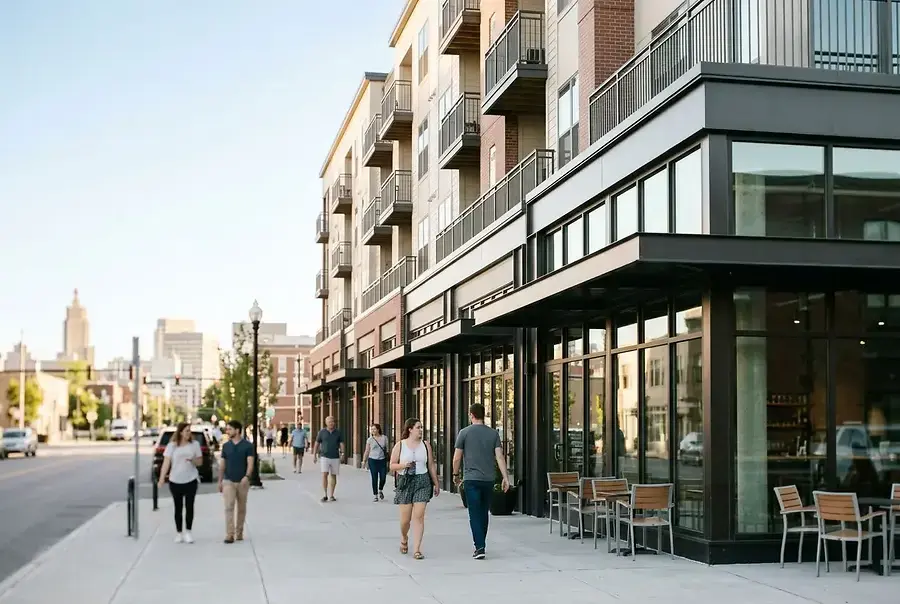
What exactly is a mixed-use property? Typically, these properties feature ground-floor commercial spaces—such as retail shops, restaurants, or offices—with residential apartments or condominiums above. This configuration creates a synergistic relationship where foot traffic from commercial tenants benefits residential appeal, and residential stability provides consistent income to offset commercial vacancy risks.
The Financial Benefits
The primary advantage lies in income diversification. While residential leases provide stable, long-term income, commercial tenants often sign longer agreements at premium rates. This combination creates a cushion against market fluctuations. If commercial occupancy dips, residential income remains steady. Conversely, if residential units experience turnover, commercial revenue continues flowing.
Additional benefits include:
- Higher overall capitalization rates compared to single-use properties
- Increased property value appreciation due to versatility
- Tax advantages through cost segregation strategies
- Enhanced marketability to institutional investors
- Built-in tenant diversity reducing dependency on single market segment
Providence's Top Mixed-Use Neighborhoods and Market Trends
Providence has emerged as a hotbed for mixed-use development, with several neighborhoods offering exceptional investment potential. The city's revitalization efforts, combined with strong population growth and economic development initiatives, have created ideal conditions for property investors.
Downtown Providence
The downtown corridor continues its transformation with adaptive reuse projects converting historic buildings into mixed-use spaces. The proximity to major employers, universities, and cultural institutions makes this area particularly attractive. Commercial rents have increased steadily, while residential demand remains robust among young professionals and students.
Federal Hill
Known for its vibrant restaurant scene and walkable streets, Federal Hill attracts both commercial tenants and residential renters. The neighborhood's established character combined with ongoing improvements creates stable appreciation potential. Mixed-use properties here benefit from consistent foot traffic and strong community identity.
Wayland Square
This emerging neighborhood offers a sweet spot for investors—lower entry prices than downtown with rapidly improving fundamentals. Local businesses are expanding, and residential demand is climbing as young families discover the area's charm and convenience. Properties here offer significant upside potential.
Market Trends to Watch
Providence's real estate market shows several encouraging trends. Population growth in the metro area continues, vacancy rates remain competitive, and commercial rents are rising. Additionally, remote work flexibility has increased residential demand as people seek walkable, vibrant neighborhoods rather than suburban commuter communities.
Evaluating Investment Potential: What to Look for in Residential-Commercial Properties
Not all mixed-use properties are created equal. Successful investors know what metrics and characteristics separate exceptional opportunities from mediocre ones.
Financial Metrics
Cap Rate Analysis: Calculate the capitalization rate by dividing net operating income by property price. In Providence's market, aim for cap rates between 5-7% for quality mixed-use properties. This indicates healthy cash flow relative to investment.
Debt Service Coverage Ratio: Lenders typically require this ratio to exceed 1.25x, meaning annual net operating income should be at least 25% higher than annual debt payments. This ensures you can comfortably meet mortgage obligations while maintaining reserves.
Rent-to-Value Ratio: Divide annual rental income by property price. A healthy ratio typically ranges from 6-8% annually. This metric reveals whether the property generates sufficient income relative to its cost.
Physical Property Considerations
- Building Condition: Inspect structural integrity, HVAC systems, roofing, and plumbing. Deferred maintenance can quickly erode profits.
- Tenant Mix: Evaluate current tenants' creditworthiness, lease terms, and business viability. Stable, established tenants reduce risk.
- Space Configuration: Ensure commercial and residential spaces are properly separated with independent utilities and entrances when possible.
- Parking and Accessibility: Adequate parking and ADA compliance are non-negotiable for both commercial and residential tenants.
- Future Development Potential: Consider whether the property could be expanded or reconfigured to increase value.
Market and Location Factors
Location determines long-term success. Analyze neighborhood growth trajectories, employment centers, public transportation access, and demographic trends. Properties within walking distance of amenities, transit, and employment hubs command premium rents and appreciate faster.
Ask yourself: Would I want to live and work in this neighborhood? If the answer is yes, other investors and tenants likely will too.
Getting Started: Your Action Plan for Investing in Providence's Mixed-Use Market
Step 1: Education and Due Diligence
Before committing capital, invest time in learning. Attend local real estate investment meetings, study comparable sales, and understand Providence's zoning regulations. Knowledge is your best protection against costly mistakes.
Step 2: Assemble Your Team
Success requires expertise beyond your own. Build relationships with:
- A knowledgeable real estate agent specializing in mixed-use properties
- A commercial real estate appraiser
- A property inspector experienced with mixed-use buildings
- A CPA familiar with real estate tax strategies
- A commercial real estate attorney
Step 3: Define Your Investment Criteria
Establish clear parameters: target neighborhoods, desired cap rates, maximum property price, and acceptable tenant profiles. These criteria help you quickly evaluate opportunities and avoid emotional decision-making.
Step 4: Secure Financing
Mixed-use properties often require specialized financing. Approach commercial lenders early to understand loan requirements, down payment expectations, and interest rates. Pre-approval strengthens your negotiating position.
Step 5: Execute with Confidence
When the right property appears, move decisively. Conduct thorough inspections, verify all financial claims, and negotiate aggressively. Remember: the best investment is the one that aligns with your goals and financial capacity.
Conclusion
Providence's mixed-use property market offers compelling opportunities for investors seeking to build wealth through diversified income streams. By understanding the fundamentals, identifying promising neighborhoods, evaluating properties rigorously, and executing a thoughtful action plan, you can position yourself to maximize returns while contributing to the city's continued revitalization.
The time to act is now. Providence's momentum is building, and savvy investors who move today will reap the rewards for decades to come.