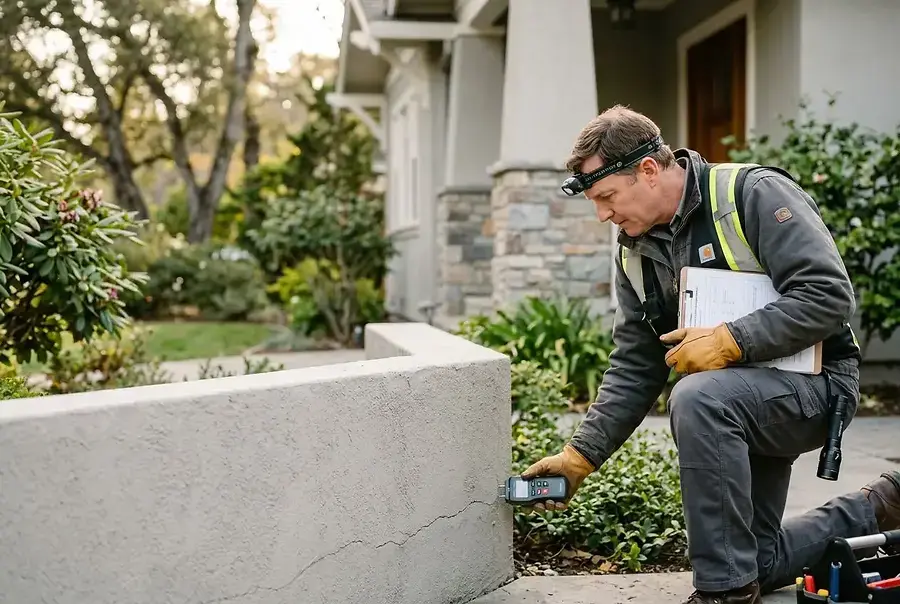
Why Home Inspections Matter in Menlo Park's Competitive Market
In Menlo Park's fast-paced real estate market, the pressure to make quick decisions can be overwhelming. Properties sell rapidly, and buyers often feel compelled to waive inspections or skip thorough evaluations to remain competitive. However, this approach can be financially devastating. A comprehensive home inspection is your most valuable tool for identifying hidden defects before you commit to one of the largest purchases of your life.
Menlo Park homes, ranging from mid-century classics to modern estates, each present unique inspection challenges. Many properties in this area were built decades ago and may have outdated systems or structural concerns that aren't immediately visible. A professional home inspector can uncover issues that could cost tens of thousands of dollars to repair, giving you the leverage to negotiate repairs, credits, or price reductions before closing.
The stakes are high in Menlo Park's market. Skipping or rushing an inspection isn't just risky—it's a missed opportunity to protect your investment and make an informed decision about your future home.
Common Structural and Foundation Issues Found in Menlo Park Homes
Foundation Settlement and Cracks
Menlo Park's soil composition and climate can lead to foundation problems over time. Many homes in the area experience minor settling, which creates hairline cracks in foundations and basement walls. While some cracks are cosmetic, others indicate serious structural movement that requires immediate attention.
Inspectors look for:
- Horizontal cracks (more concerning than vertical ones)
- Cracks wider than 1/4 inch
- Bowing or leaning walls
- Water intrusion or moisture damage
Roof and Attic Concerns
Menlo Park's weather patterns—including fog, salt air, and occasional heavy rains—accelerate roof deterioration. Many homes have roofs nearing the end of their lifespan, with missing shingles, rotted wood, or inadequate ventilation. Attic inspections often reveal poor insulation, mold growth, or pest damage that affects energy efficiency and indoor air quality.
A roof replacement can easily exceed $15,000 to $25,000, making this one of the most critical areas to evaluate during inspection.
Wood Rot and Pest Damage
Older Menlo Park homes frequently show signs of wood rot in siding, trim, decks, and structural framing. Termites and other wood-destroying insects are common in the Bay Area, and infestations can compromise structural integrity. Professional inspectors use moisture meters and visual inspection to identify affected areas before they become catastrophic.
Systems to Prioritize: Electrical, Plumbing, and HVAC Red Flags
Electrical System Issues
Many Menlo Park homes built before the 1980s have outdated electrical systems that don't meet modern safety standards. Common problems include:
- Knob-and-tube wiring: A fire hazard that insurance companies often refuse to cover
- Aluminum wiring: Prone to overheating and corrosion
- Insufficient panel capacity: Can't handle modern appliance demands
- Grounding issues: Increase shock and fire risks
Upgrading electrical systems is expensive and disruptive, so identifying these issues early allows you to budget accordingly or negotiate with the seller.
Plumbing Problems
Aging plumbing is a signature issue in Menlo Park's older homes. Galvanized pipes corrode over time, reducing water pressure and quality. Cast iron drain lines crack and collapse, leading to sewage backups. Inspectors check for:
- Water pressure and flow rates
- Pipe material and condition
- Signs of leaks or water damage
- Sewer line integrity
- Water heater age and functionality
A sewer line replacement can cost $10,000 to $30,000 depending on the extent of damage and accessibility.
HVAC System Deficiencies
Heating and cooling systems in Menlo Park homes vary widely in age and condition. Older furnaces and air conditioning units are inefficient and unreliable. Inspectors evaluate:
- System age and remaining lifespan
- Proper ventilation and ductwork
- Thermostat functionality
- Energy efficiency ratings
- Safety features and clearances
A new HVAC system installation typically costs $8,000 to $15,000, making this another significant consideration in your inspection report.
Using Inspection Results to Negotiate and Make Informed Decisions
Prioritizing Findings
A thorough inspection report can be lengthy and overwhelming. Work with your real estate agent and a trusted contractor to categorize findings into three groups:
- Critical issues: Safety hazards or structural problems requiring immediate repair
- Important issues: Systems nearing end of life or needing attention within 1-2 years
- Minor issues: Cosmetic concerns or maintenance items
Negotiation Strategies
Armed with detailed inspection findings, you have several options:
- Request repairs: Ask the seller to fix critical issues before closing
- Negotiate credits: Receive a credit toward closing costs to handle repairs yourself
- Price reduction: Lower the purchase price to account for repair costs
- Walk away: If issues are too extensive, you have grounds to terminate the contract
In Menlo Park's competitive market, sellers may resist repair requests. However, serious structural or safety issues give you legitimate leverage. Be prepared with contractor estimates to support your negotiation position.
Making Your Final Decision
The inspection report is your roadmap to making an informed decision. Consider not just the cost of repairs, but also the timeline and disruption they'll cause. A home with minor cosmetic issues might be a great investment, while one with multiple system failures could drain your finances for years.
Don't let market pressure rush you into a bad decision. A thorough inspection protects your investment and gives you the information needed to move forward with confidence.
Conclusion
Home inspections are non-negotiable in Menlo Park's real estate market. By understanding common defects—from foundation issues to outdated systems—you can identify problems before they become your responsibility. Work with qualified inspectors, get contractor estimates for major repairs, and use your findings to negotiate effectively.
Your home is your sanctuary and your investment. Take the time to inspect it thoroughly, ask the right questions, and make decisions based on facts, not pressure. In Menlo Park's competitive landscape, an informed buyer is an empowered buyer.