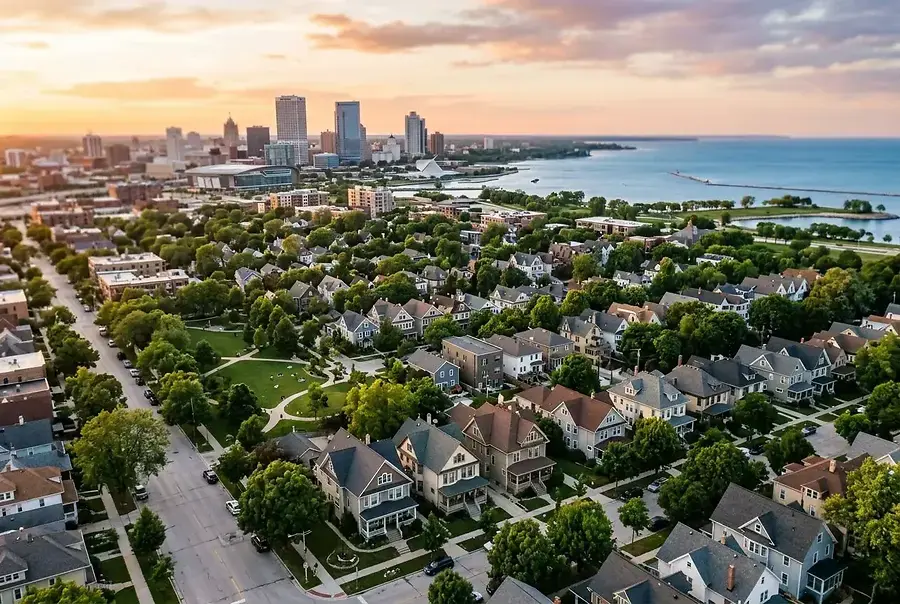
Why Choosing the Right Milwaukee Neighborhood Matters
Selecting a neighborhood is one of the most significant decisions you'll make as a homeowner. Your choice impacts not only your daily quality of life but also your investment's long-term value and appreciation potential. Milwaukee, Wisconsin's vibrant and diverse city, offers numerous residential communities, each with distinct characteristics, amenities, and price points.
The right neighborhood can provide you with excellent schools, walkable streets, thriving local businesses, and strong community connections. Conversely, choosing hastily without proper research can lead to regret and financial consequences. This guide will help you navigate Milwaukee's residential landscape and identify neighborhoods that align with your lifestyle, budget, and homeownership goals.
Milwaukee's Most Desirable Residential Neighborhoods: What Sets Them Apart
Bay View
Bay View stands out as one of Milwaukee's most sought-after neighborhoods, known for its historic charm and waterfront access. This community features beautiful Victorian and Craftsman-style homes, vibrant local restaurants, and the iconic South Shore Park. Young professionals and families appreciate Bay View's walkability, cultural attractions, and strong sense of community. The neighborhood's proximity to Lake Michigan and downtown Milwaukee makes it increasingly popular among homebuyers.
Whitefish Bay
Located just north of Milwaukee, Whitefish Bay offers a suburban feel with urban convenience. This affluent neighborhood is renowned for its excellent schools, tree-lined streets, and spacious homes on generous lots. Families seeking top-rated educational institutions and a peaceful residential environment find Whitefish Bay particularly appealing. The community maintains strong property values and offers a blend of natural beauty and modern amenities.
Shorewood
Shorewood combines small-town charm with big-city access. This walkable neighborhood features independent shops, excellent restaurants, and a strong arts scene. The community attracts young professionals, artists, and families who value cultural experiences and neighborhood character. Shorewood's tree-lined streets and well-maintained homes create an inviting residential environment.
Riverwest
For those seeking affordability and artistic flair, Riverwest presents an excellent option. This emerging neighborhood has transformed into a creative hub with galleries, music venues, and independent businesses. Young professionals and artists appreciate the neighborhood's lower price points, community spirit, and ongoing revitalization efforts. Riverwest offers great potential for those willing to invest in an up-and-coming area.
Wauwatosa
Wauwatosa appeals to families seeking suburban comfort with excellent schools. This established neighborhood offers diverse housing options, from modest starter homes to larger family residences. The community features parks, recreational facilities, and a strong sense of neighborhood pride. Wauwatosa's central location provides convenient access to Milwaukee's employment centers and cultural attractions.
Essential Factors to Consider When Evaluating Milwaukee Neighborhoods
Budget and Home Prices
Your budget is the foundation of your neighborhood search. Milwaukee offers diverse price points across different communities. Research recent sales data and average home prices in neighborhoods that interest you. Consider not only the purchase price but also property taxes, insurance, and maintenance costs. Some neighborhoods offer excellent value, while others command premium prices due to location, amenities, and demand.
Schools and Education
If you have children or plan to, school quality significantly impacts your neighborhood choice. Research school ratings, test scores, and educational programs. Milwaukee Public Schools and private institutions vary in quality across neighborhoods. Families often prioritize communities with highly-rated schools, which can affect property values and long-term appreciation.
Walkability and Transportation
Consider how easily you can access shops, restaurants, parks, and services on foot. Walkable neighborhoods reduce transportation costs and promote healthier lifestyles. Evaluate public transportation options, parking availability, and commute times to your workplace. Some residents prioritize car-free living, while others value convenient highway access.
Community Amenities and Character
Each neighborhood has unique personality and amenities. Some offer vibrant nightlife and cultural attractions, while others emphasize parks, recreation, and family-friendly activities. Visit neighborhoods at different times to experience their character. Attend local events, explore shops and restaurants, and talk with residents to understand community culture.
Safety and Crime Rates
Research crime statistics and safety records for neighborhoods you're considering. While no neighborhood is crime-free, understanding local safety helps inform your decision. Check police department reports, neighborhood watch programs, and community policing initiatives. Speaking with current residents provides valuable insights into actual safety experiences.
Property Values and Investment Potential
Examine historical property value trends and future development plans. Some neighborhoods show strong appreciation potential, while others remain stable. Consider whether you're buying for personal use or investment purposes. Understanding neighborhood trajectories helps you make informed financial decisions.
Diversity and Community Connections
Milwaukee's neighborhoods vary in demographic composition and community engagement. Some communities emphasize cultural diversity and inclusion, while others have established traditions and long-time residents. Consider whether you value neighborhood diversity and what type of community connections matter to you.
Your Next Step to Finding Home in Milwaukee
Finding your ideal Milwaukee neighborhood requires research, exploration, and honest self-reflection about your priorities and lifestyle. Start by identifying your non-negotiable factors—whether that's school quality, walkability, budget, or community character. Then systematically explore neighborhoods that meet your criteria.
Take action by:
- Visiting neighborhoods multiple times and at different hours
- Speaking with current residents and local business owners
- Reviewing property listings and recent sales data
- Attending neighborhood events and community meetings
- Working with a knowledgeable local real estate agent
- Researching future development plans and neighborhood initiatives
Milwaukee's diverse neighborhoods offer something for everyone—from historic charm to modern amenities, from urban energy to suburban tranquility. By carefully evaluating your needs and exploring communities thoroughly, you'll discover the neighborhood where you can build your ideal home and life. Your perfect Milwaukee neighborhood awaits; take the time to find it.