Understanding Mixed-Use Development Benefits for Commercial Property Owners
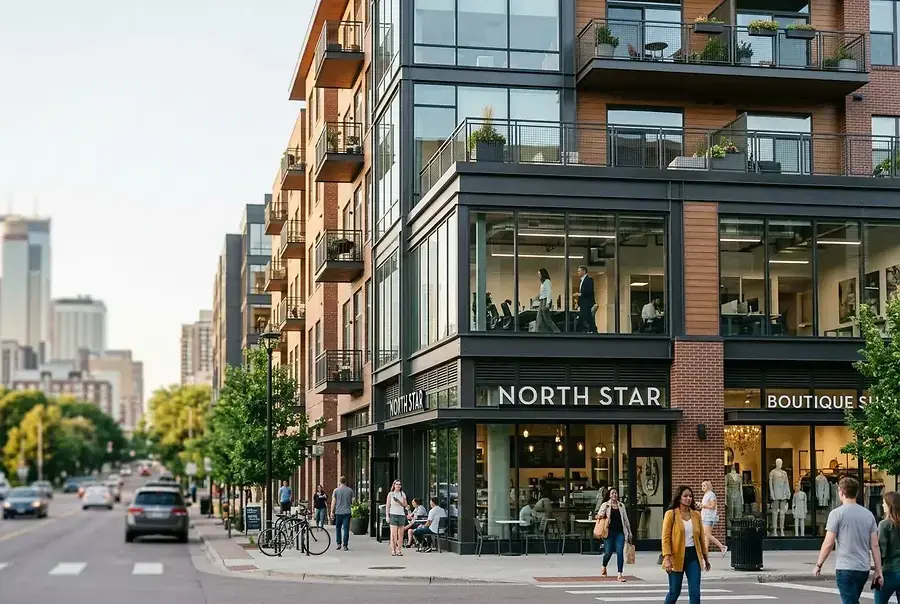
Mixed-use development has emerged as one of the most dynamic and profitable real estate strategies in the Minneapolis-Saint Paul metropolitan area. By combining residential, retail, and office spaces within a single property or development, owners can create vibrant communities that appeal to a broad spectrum of tenants and investors.
Maximizing Revenue Streams
One of the primary advantages of mixed-use development is the ability to generate multiple revenue streams from a single property. Rather than relying on a single tenant type, property owners can diversify their income through:
- Residential units providing stable, long-term rental income
- Retail spaces attracting foot traffic and premium lease rates
- Office spaces offering flexible lease terms and corporate tenants
This diversification reduces vacancy risk and creates a more resilient investment portfolio. When one market segment experiences a downturn, other revenue sources can help stabilize overall returns.
Enhancing Property Value
Mixed-use developments typically command higher valuations than single-use properties. The Twin Cities market has demonstrated strong appreciation for properties that offer integrated living, working, and shopping experiences. Properties with complementary uses often see 15-25% higher valuations compared to single-purpose buildings in similar locations.
Creating Vibrant Communities
Modern tenants and residents increasingly seek walkable, mixed-use environments where they can live, work, and shop without extensive commuting. This preference has made mixed-use developments highly attractive in Minneapolis-Saint Paul, where urban revitalization and sustainable development are priorities.
Key Zoning and Regulatory Requirements in Minneapolis-Saint Paul
Successfully developing mixed-use properties requires navigating the complex zoning and regulatory landscape of Minneapolis-Saint Paul. Understanding these requirements is essential for project success.
Zoning Classifications and Compliance
Minneapolis and Saint Paul have distinct zoning codes that govern mixed-use development. Key considerations include:
- Mixed-Use Zoning Districts: Both cities have designated zones specifically designed for mixed-use projects, such as downtown and transit-oriented development areas
- Conditional Use Permits: Some mixed-use combinations may require special permits or variances
- Parking Requirements: Mixed-use developments often benefit from reduced parking requirements due to shared usage patterns
- Height and Setback Restrictions: These vary significantly by neighborhood and district
Environmental and Sustainability Standards
The Twin Cities region emphasizes sustainable development practices. Mixed-use projects should consider:
- LEED certification opportunities
- Stormwater management systems
- Energy-efficient building design
- Public transportation accessibility
Community Engagement and Approval Processes
Minneapolis-Saint Paul municipalities require community input for significant development projects. Successful developers engage early with neighborhood associations, city planners, and local stakeholders to address concerns and build support. This collaborative approach often accelerates approval timelines and reduces project delays.
Financing and Investment Strategies for Multi-Purpose Projects
Securing appropriate financing for mixed-use developments requires a strategic approach tailored to the project's unique characteristics.
Construction and Permanent Financing
Mixed-use projects typically require specialized financing structures that account for multiple revenue streams:
- Construction Loans: Bridge financing that covers development costs, often with interest-only payments during construction
- Permanent Financing: Long-term mortgages that reflect the stabilized income from all property uses
- Mezzanine Financing: Subordinated debt that fills gaps between equity and senior debt
Investment Structures and Returns
Investors in mixed-use developments benefit from multiple return mechanisms. Typical investment structures include equity partnerships, preferred returns, and profit-sharing arrangements that align investor interests with project performance.
The Twin Cities market has demonstrated strong returns for mixed-use investors, with many projects achieving:
- 5-8% annual cash-on-cash returns during stabilization
- 15-20% internal rates of return over the investment period
- Significant appreciation potential in high-demand neighborhoods
Risk Mitigation Strategies
Successful mixed-use developers employ several strategies to manage investment risk:
- Market Analysis: Comprehensive demand studies for each property use type
- Experienced Operators: Partnering with proven property management teams
- Contingency Planning: Building financial reserves for unexpected costs or market changes
- Lease Diversification: Avoiding over-reliance on single tenants or sectors
Tax Incentives and Grants
Minneapolis-Saint Paul offers various incentive programs for mixed-use development, including tax increment financing (TIF), property tax abatements, and historic preservation credits. Developers should work with tax professionals to maximize available benefits and improve project economics.
Conclusion: Positioning Your Property for Long-Term Success
Mixed-use development represents a compelling opportunity for property owners and investors in Minneapolis-Saint Paul. By combining residential, retail, and office spaces, developers can create valuable, resilient assets that meet evolving market demands.
Success in mixed-use development requires careful planning, regulatory compliance, and strategic financing—but the rewards justify the effort.
To position your property for long-term success, consider these key takeaways:
- Conduct thorough market analysis to ensure demand for all property uses
- Engage early with municipal authorities and community stakeholders
- Structure financing to reflect the unique characteristics of mixed-use projects
- Partner with experienced operators and development professionals
- Leverage available tax incentives and financing programs
The Twin Cities market continues to reward developers who create vibrant, mixed-use communities that enhance neighborhood character while generating strong financial returns. Whether you're a seasoned developer or exploring your first mixed-use project, the Minneapolis-Saint Paul market offers exceptional opportunities for growth and success.
