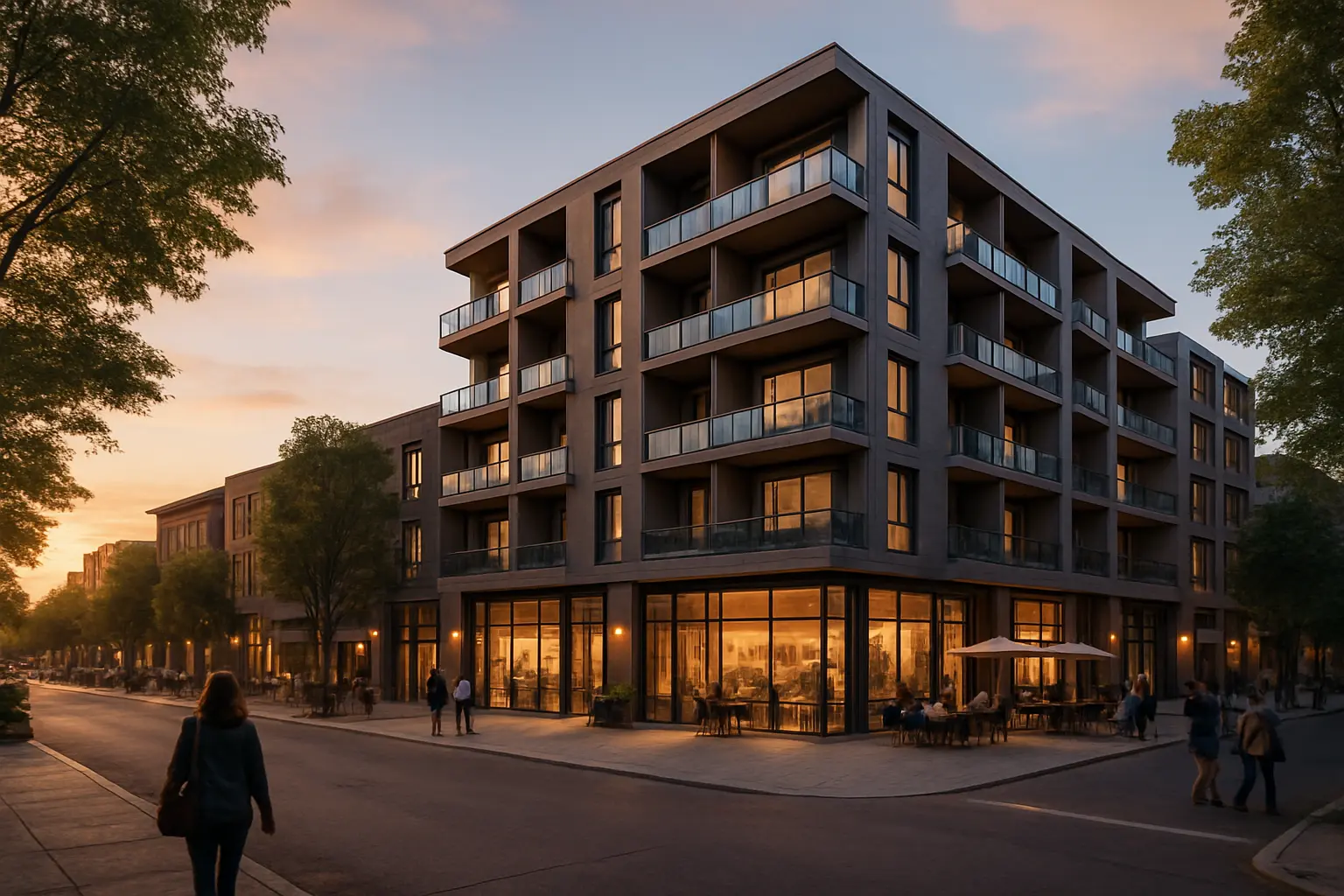
The Evolution of Property Usage
In today's dynamic real estate landscape, the traditional concept of single-purpose buildings is rapidly becoming obsolete. As urban areas evolve and population density increases, the demand for more efficient and versatile property usage has given rise to a revolutionary approach: mixed-use developments.
These innovative properties combine residential, commercial, and sometimes even recreational spaces within a single development, creating synergistic environments that benefit both property owners and communities alike.
Strategic Advantages of Mixed-Use Properties
Diversified Income Streams
One of the most compelling advantages of mixed-use properties is the ability to generate multiple revenue streams. By combining different types of tenants, property owners can:
- Minimize Risk: When one sector experiences a downturn, income from other sectors can help maintain stability
- Maximize Revenue: Different spaces can generate income at different times of the day
- Attract Premium Tenants: The convenience of mixed-use developments often commands higher rental rates
Reduced Vacancy Risks
Mixed-use properties inherently provide built-in risk mitigation against vacancies. With diverse tenant types, property owners are less vulnerable to sector-specific market fluctuations. This diversification strategy has proven particularly valuable during economic uncertainties.
Smart investors recognize that mixed-use properties offer a hedge against market volatility while providing steady, diversified income streams.
Reshaping Neighborhoods and Creating Community Hubs
Building Vibrant Communities
Mixed-use developments are transforming neighborhoods into dynamic, self-sustaining communities. These properties typically feature:
- Ground-floor retail and restaurants that create street-level activity
- Office spaces that bring daytime foot traffic
- Residential units that ensure round-the-clock community presence
- Common areas that foster social interaction and community engagement
Sustainability Benefits
Beyond their economic advantages, mixed-use properties contribute to environmental sustainability by:
- Reducing transportation needs through walkable communities
- Maximizing land use efficiency
- Lowering the overall carbon footprint of urban development
Positioning for Success in the Mixed-Use Market
As we look to the future, mixed-use properties represent one of the most promising opportunities in real estate investment. To succeed in this growing market, investors should:
- Research Location Demographics: Understanding local market demands is crucial for optimal tenant mix
- Plan for Flexibility: Design spaces that can adapt to changing market needs
- Focus on Community Integration: Create developments that enhance and complement existing neighborhood characteristics
The future of real estate investment lies in creating spaces that serve multiple purposes while building stronger, more connected communities. Mixed-use properties not only offer superior returns but also contribute to the development of sustainable, livable cities for generations to come.