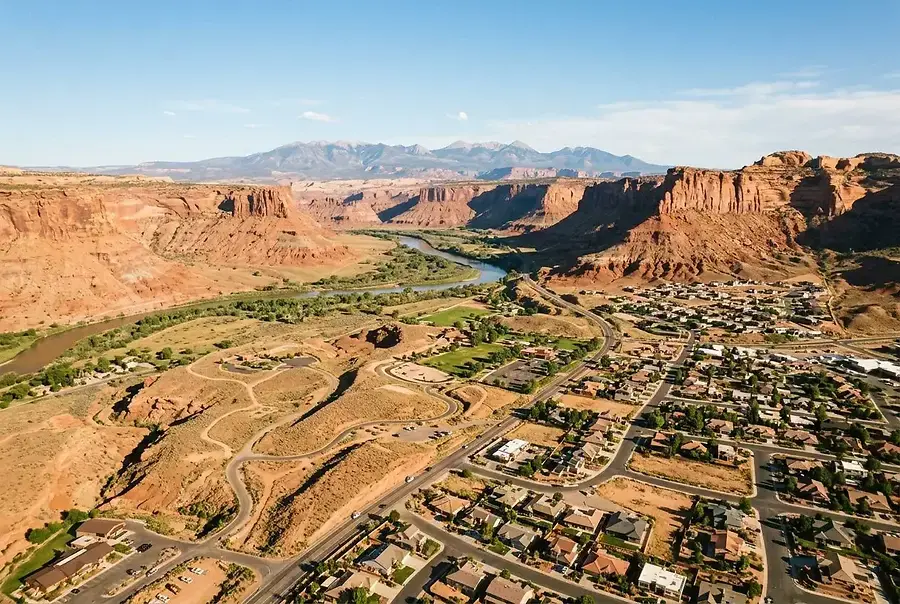
Market Cycles in Moab's Real Estate
Moab's real estate market operates in distinct cycles that are heavily influenced by tourism patterns, seasonal weather changes, and broader economic conditions. Understanding these cycles is essential for both buyers and sellers looking to make strategic decisions about property transactions. The market in this picturesque Utah town is far from static—it ebbs and flows with predictable patterns that savvy investors and homebuyers can leverage to their advantage.
The Moab real estate market has experienced significant growth over the past several years, driven by increased interest in outdoor recreation, remote work opportunities, and the town's unique lifestyle appeal. However, this growth hasn't been linear. Instead, the market experiences seasonal fluctuations that create both challenges and opportunities for those involved in property transactions.
How Seasonal Tourism Affects Property Demand and Pricing
Peak Season Dynamics
Moab's tourism industry peaks during spring and fall when the weather is ideal for outdoor activities like hiking, mountain biking, and rock climbing. During these periods, vacation rental properties experience high occupancy rates, and demand for residential properties increases as visitors fall in love with the area and consider relocating. This surge in interest typically drives property prices upward, making it a seller's market.
Key characteristics of peak season include:
- Higher property prices and increased competition among buyers
- Faster sales cycles with properties moving quickly
- More motivated buyers willing to pay premium prices
- Increased rental income potential for investment properties
Off-Season Considerations
During the summer months and winter season, tourism slows considerably. Summer heat can be intense, and winter weather can be unpredictable, leading to fewer visitors and reduced demand for properties. During these periods, the market shifts in favor of buyers, with more negotiating power and potentially lower prices available.
Off-season market characteristics:
- Lower property prices and reduced competition
- Longer time on market for listings
- Greater opportunity for buyer negotiation
- Reduced rental income for vacation properties
The Shoulder Seasons
The transitional periods between peak and off-season—late spring and early fall—offer unique opportunities. These shoulder seasons often provide a balance between buyer and seller advantages, with moderate pricing and reasonable market activity. Many experienced investors view these periods as ideal for transactions that don't require the urgency of peak season or the deep discounts of off-season.
Identifying Market Opportunities for Buyers and Sellers
For Buyers: When to Enter the Market
Buyers seeking the best value should consider purchasing during the off-season when inventory is higher and sellers may be more motivated to negotiate. Winter months and summer heat waves typically present the most favorable buyer conditions, with prices potentially 5-15% lower than peak season rates. Additionally, buyers face less competition, allowing for more thorough property inspections and negotiations.
However, buyers should also consider their personal timeline and circumstances. If you're relocating for work or need to purchase quickly, waiting for off-season may not be practical. In such cases, understanding the current market position helps you make informed decisions about fair pricing and negotiation strategies.
For Sellers: Maximizing Your Return
Sellers typically achieve the highest prices and fastest sales during peak tourism seasons when buyer demand is strongest. Spring and fall represent the optimal selling windows, with properties attracting serious buyers willing to pay premium prices. The increased foot traffic and buyer interest during these periods can result in multiple offers and competitive bidding situations.
That said, selling during off-season isn't necessarily disadvantageous. Fewer listings mean less competition, and motivated buyers during these periods are often serious about purchasing. Additionally, sellers who list during slower seasons may attract investors and relocators who aren't influenced by tourism trends.
Investment Property Considerations
For those purchasing investment properties, understanding market cycles is crucial for calculating potential returns. Vacation rental properties benefit significantly from peak season demand, while long-term rental properties may provide more stable, year-round income. Investors should analyze both seasonal revenue potential and property appreciation trends when making purchase decisions.
"The key to successful real estate investing in Moab is recognizing that different property types perform differently across seasons. A vacation rental thrives on peak season bookings, while a residential rental provides consistent income regardless of tourism trends."
Market Indicators to Monitor
Successful real estate decisions require monitoring several key indicators:
- Days on Market: Properties selling quickly indicate a seller's market; longer listing times suggest a buyer's market
- Price Trends: Track average sale prices and price per square foot over time
- Inventory Levels: Higher inventory typically favors buyers; lower inventory favors sellers
- Tourism Statistics: Monitor visitor numbers and occupancy rates for vacation properties
- Economic Indicators: Interest rates, employment, and local business growth affect market health
Making Informed Decisions Based on Market Timing
The most successful real estate transactions in Moab result from combining market timing knowledge with personal circumstances and financial readiness. There is no universally "perfect" time to buy or sell—only the right time for your specific situation.
Buyers should focus on finding properties that meet their needs at prices they can afford, while being aware of seasonal pricing patterns. Sellers should list when their property is in its best condition and market conditions are favorable, but not delay unnecessarily waiting for perfect timing.
Working with a local real estate professional who understands Moab's unique market cycles can provide invaluable guidance. These experts can help you interpret market data, identify opportunities, and make decisions aligned with your goals and timeline.
Whether you're buying your dream home, investing in rental property, or selling an existing property, understanding Moab's real estate market cycles empowers you to make strategic, informed decisions that maximize your success in this dynamic and desirable market.