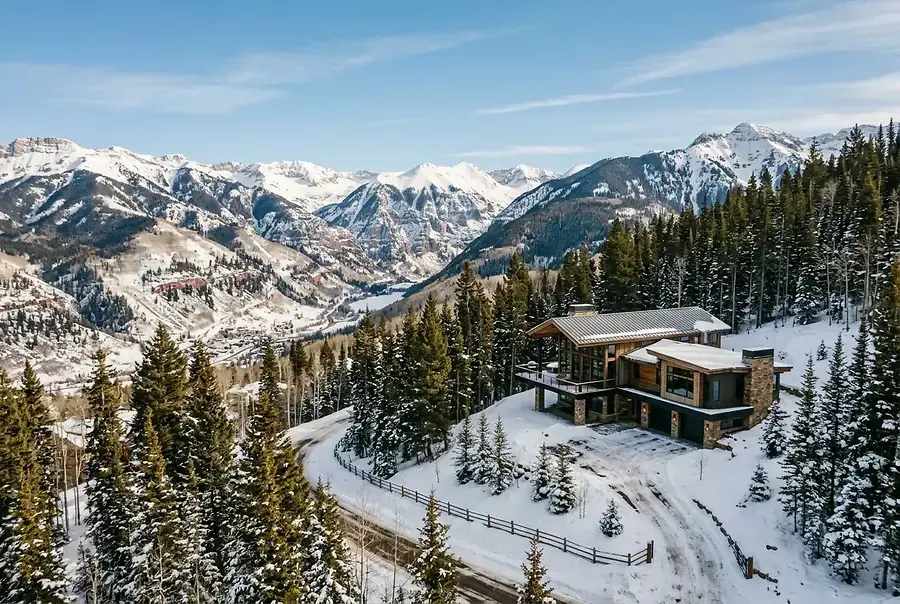
Understanding Price Variations Across Colorado's Mountain Communities
Colorado's alpine communities offer some of the most breathtaking residential opportunities in North America, but the cost of purchasing a mountain home varies dramatically depending on location, elevation, and local market dynamics. From the charming streets of Telluride to the family-friendly slopes of Winter Park, each of the 13 major high-country towns presents unique pricing challenges and opportunities for prospective buyers.
The variation in home prices across these communities can be staggering. Premium mountain destinations like Aspen and Vail command significantly higher prices, often exceeding $2 million for modest properties, while emerging communities offer more accessible entry points. Understanding these regional differences is crucial for anyone considering a mountain home investment.
The Premium Mountain Markets
Aspen, Vail, and Telluride represent the upper echelon of Colorado mountain real estate. These established resort towns attract wealthy buyers from across the globe, driving property values to extraordinary levels. A typical home in these markets ranges from $1.5 million to $5 million or more, depending on size, location, and amenities.
Mid-Range Alpine Communities
Towns like Breckenridge, Keystone, and Beaver Creek offer a middle ground. Properties here typically range from $600,000 to $1.5 million, making them more accessible while still maintaining the prestige of established mountain communities. These areas attract both primary residence buyers and investment-minded purchasers.
Emerging and Affordable Options
Communities such as Winter Park, Granby, and Nederland provide entry points for budget-conscious buyers. Properties in these areas often range from $300,000 to $800,000, offering excellent value for those willing to embrace smaller towns or slightly longer commutes to major ski resorts.
Breaking Down the True Cost of Homeownership in High-Altitude Towns
The purchase price is only the beginning of your financial commitment to mountain home ownership. Several additional costs significantly impact your total investment and ongoing expenses.
Property Taxes and Insurance
Mountain properties often face unique tax considerations. Property tax rates vary by county, but mountain communities typically range from 0.4% to 0.6% of assessed value annually. Additionally, homeowners insurance in high-altitude areas costs 15-25% more than comparable properties at lower elevations due to weather exposure and maintenance challenges.
Maintenance and Seasonal Costs
High-altitude living demands specialized maintenance:
- Snow removal and roof clearing services ($2,000-$8,000 annually)
- Septic system maintenance in non-municipal areas ($500-$1,500 yearly)
- Weatherproofing and exterior repairs ($1,000-$5,000 annually)
- Well water testing and treatment ($300-$1,000 per year)
- Chimney and heating system inspections ($200-$500 annually)
Utilities and Infrastructure
Mountain properties often require higher utility costs. Heating expenses can be 30-40% higher than lower-elevation homes, and some remote properties may lack municipal water or sewer services, necessitating private well and septic systems. Budget an additional $200-$400 monthly for utilities in mountain communities.
HOA Fees and Community Assessments
Many mountain communities operate under homeowners associations that charge monthly or annual fees. These fees typically range from $150 to $500 monthly, covering road maintenance, snow removal, and community amenities. Some properties may face special assessments for infrastructure improvements.
Making an Informed Purchase Decision in Colorado's Alpine Real Estate Market
Purchasing a mountain home requires careful planning and realistic expectations about your investment.
Establish Your True Budget
Calculate your total cost of ownership, not just the purchase price. Include property taxes, insurance, maintenance, utilities, and HOA fees. A $500,000 home might cost $8,000-$12,000 monthly when all expenses are considered. Ensure your financial situation comfortably supports these ongoing costs.
Consider Your Lifestyle and Usage
Determine whether you'll use the property as a primary residence, vacation home, or investment. Primary residences offer different tax advantages than investment properties. Vacation homes require consideration of seasonal accessibility and rental income potential.
Evaluate Location-Specific Factors
Research each community thoroughly:
- Proximity to ski resorts and outdoor recreation
- School quality if you have children
- Road accessibility during winter months
- Community amenities and services
- Future development plans and market trends
- Rental market potential if considering investment income
Work with Local Experts
Hire a real estate agent experienced in mountain communities who understands local market dynamics, seasonal fluctuations, and property-specific challenges. A knowledgeable agent can help you navigate pricing variations and identify properties that offer genuine value.
Get a Thorough Inspection
Mountain properties present unique inspection challenges. Ensure your inspector has experience with high-altitude homes and understands issues like foundation settling, roof stress from snow load, and septic system functionality in cold climates.
Conclusion: Your Path to Owning a Mountain Home in Colorado
Purchasing a home in Colorado's alpine communities represents a significant financial commitment, but for many, the lifestyle benefits justify the investment. Whether you're drawn to the prestige of Aspen, the family-friendly atmosphere of Breckenridge, or the emerging opportunities in smaller towns, understanding the true costs of mountain homeownership is essential.
By carefully evaluating purchase prices, ongoing expenses, and your personal lifestyle needs, you can make an informed decision that aligns with your financial goals and mountain living aspirations.
The key to successful mountain home ownership is approaching the purchase with realistic expectations and comprehensive financial planning.Take time to explore multiple communities, work with experienced professionals, and ensure your mountain home investment brings both financial stability and the mountain lifestyle you've always dreamed of.