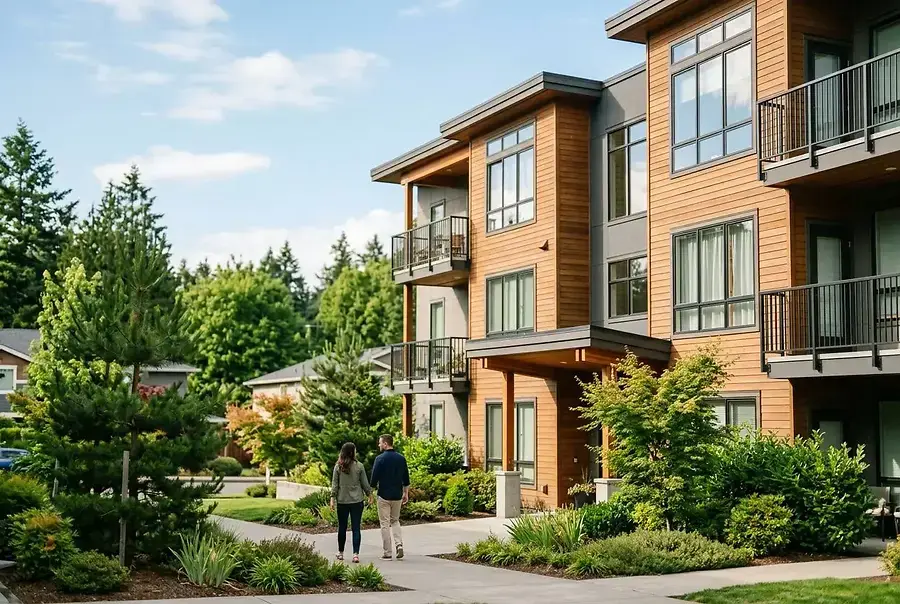
Understanding Multi-Unit Residential Investments in Southwest Washington
Multi-unit residential properties represent one of the most compelling investment opportunities in Southwest Washington. These properties—ranging from duplexes to apartment complexes—offer investors the potential for substantial cash flow, portfolio diversification, and long-term wealth building. Unlike single-family homes, multi-unit properties generate income from multiple rental units, creating a more resilient investment that can weather market fluctuations.
The Southwest Washington region has emerged as a prime location for residential investors seeking strong returns. With a population that continues to grow and a robust job market, the demand for quality rental housing remains consistently high. The area's affordability compared to neighboring regions, combined with its proximity to Portland and Seattle, makes it an attractive destination for both renters and investors.
Why Multi-Unit Properties Matter
Multi-unit investments provide several distinct advantages over single-family rentals. Economies of scale allow you to manage multiple units more efficiently, reducing per-unit operating costs. Additionally, if one unit becomes vacant, the other units continue generating income, providing financial stability that single-family properties cannot match.
Top Communities for Rental Property Returns and Tenant Demand
Southwest Washington encompasses 29 thriving communities, each offering unique investment characteristics and growth potential. From the bustling urban centers to charming smaller towns, these communities attract diverse tenant demographics and offer varying price points for investors.
High-Demand Urban Centers
Communities like Longview, Kelso, and Corvallis serve as regional hubs with strong employment centers and established rental markets. These areas feature:
- Consistent tenant demand driven by local employers and educational institutions
- Higher rental rates that support strong cash flow
- Established infrastructure and amenities that attract quality tenants
- Better access to property management services and contractor networks
Emerging Growth Communities
Smaller communities throughout the region, including areas between Longview and Stevenson, present excellent opportunities for investors seeking emerging markets. These towns offer:
- Lower acquisition costs for multi-unit properties
- Growing populations seeking affordable housing
- Less competition from institutional investors
- Strong appreciation potential as communities develop
Tenant demand remains robust across all 29 communities, driven by workforce growth, limited new construction, and the region's appeal to remote workers seeking affordable living costs.
Financing and Tax Benefits for Residential Investment Properties
Understanding financing options and tax advantages is crucial for maximizing your investment returns. Southwest Washington investors have access to multiple financing strategies that can significantly enhance profitability.
Financing Options for Multi-Unit Properties
Traditional financing remains the most common approach for multi-unit acquisitions. Conventional loans typically require 20-25% down payment and offer competitive rates for properties with strong cash flow. For investors seeking alternative strategies, consider:
- FHA loans – Available for properties with 2-4 units, requiring as little as 3.5% down
- Portfolio loans – Held by lenders rather than sold, offering flexibility for investors with multiple properties
- Hard money loans – Useful for value-add opportunities requiring renovation
- Cash-out refinancing – Leverage equity from existing properties to fund new acquisitions
Tax Benefits and Deductions
Multi-unit residential investments offer substantial tax advantages that significantly improve net returns:
- Depreciation deductions – Claim depreciation on building value and improvements, reducing taxable income
- Operating expense deductions – Deduct property taxes, insurance, maintenance, utilities, and management fees
- Mortgage interest deduction – Deduct all interest paid on investment property loans
- 1031 exchanges – Defer capital gains taxes by exchanging properties within specified timeframes
- Cost segregation studies – Accelerate depreciation deductions for larger properties
Consulting with a tax professional specializing in real estate investments ensures you capture all available deductions and optimize your investment structure.
Getting Started: Steps to Evaluate and Purchase Your First Investment Property
Entering the multi-unit investment market requires careful planning and systematic evaluation. Follow these essential steps to identify and acquire quality properties.
Step 1: Define Your Investment Criteria
Before searching for properties, establish clear investment parameters. Determine your target:
- Property type (duplex, triplex, apartment complex)
- Geographic focus within the 29 communities
- Target cash-on-cash return percentage
- Acceptable debt service coverage ratio
- Maximum acquisition price and down payment amount
Step 2: Analyze Market Fundamentals
Research local market conditions in your target communities. Evaluate rental rates, vacancy rates, population growth, employment trends, and new construction activity. Strong fundamentals indicate sustainable investment returns.
Step 3: Evaluate Property-Specific Metrics
When analyzing individual properties, focus on key financial metrics:
- Cap rate – Net operating income divided by property price
- Cash-on-cash return – Annual cash flow divided by cash invested
- Debt service coverage ratio – Net operating income divided by debt service
- Price per unit – Total acquisition cost divided by number of units
Step 4: Conduct Thorough Due Diligence
Before making an offer, thoroughly investigate the property:
- Order professional property inspections and appraisals
- Review tenant leases, rental history, and payment records
- Analyze operating expenses for the past three years
- Verify property condition and identify needed repairs
- Research local zoning regulations and rent control policies
Step 5: Secure Financing and Close
Once you've identified a quality property, work with your lender to finalize financing. Ensure all contingencies are satisfied, conduct a final walkthrough, and proceed to closing. Partnering with an experienced real estate attorney ensures all documentation protects your interests.
Conclusion
Southwest Washington's 29 communities offer exceptional opportunities for multi-unit residential investors. By understanding market fundamentals, leveraging favorable financing options, and systematically evaluating properties, you can build a profitable investment portfolio. The combination of strong tenant demand, reasonable acquisition costs, and significant tax benefits makes this region an ideal location for both novice and experienced investors seeking reliable returns and long-term wealth creation.