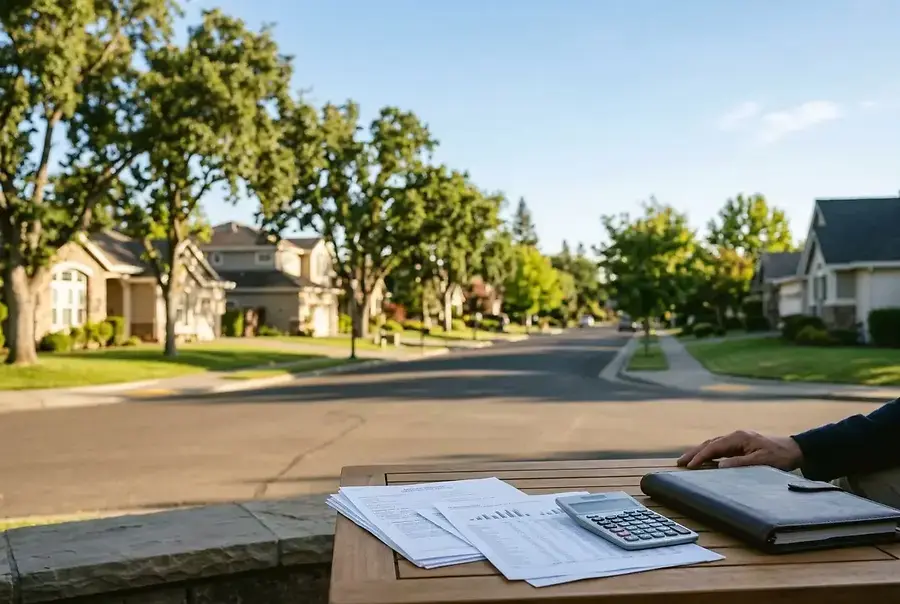
The Role of Property Taxes in Your Real Estate Decision
Property taxes represent one of the most significant ongoing costs of homeownership in Santa Rosa. Whether you're a first-time buyer or an experienced investor, understanding how these taxes work is crucial to making informed financial decisions. Property taxes directly impact your monthly mortgage payments, overall cost of ownership, and long-term investment returns.
Many homebuyers focus exclusively on the purchase price and mortgage rate, overlooking the substantial impact of property taxes on their financial situation. In Santa Rosa, property taxes can vary significantly based on location, property value, and local assessments. By understanding the tax landscape before you buy or sell, you can better budget for homeownership and identify potential savings opportunities.
Why Property Taxes Matter More Than You Think
Property taxes fund essential community services including schools, fire departments, roads, and public infrastructure. In Santa Rosa, these taxes are calculated as a percentage of your property's assessed value. Unlike mortgage payments that decrease over time, property taxes can increase annually, making it essential to factor them into your long-term financial planning.
How Santa Rosa Property Taxes Are Calculated and Assessed
Understanding the calculation process helps you anticipate your tax obligations and identify potential discrepancies in your assessment. Santa Rosa property taxes follow California's Proposition 13 framework, which provides important protections for homeowners.
The Assessment Process
The Santa Rosa County Assessor's Office determines your property's assessed value, which serves as the basis for tax calculations. The assessed value is typically set at the property's fair market value at the time of purchase or transfer. Once established, Proposition 13 limits annual increases to 2% per year, regardless of market fluctuations, unless the property changes ownership.
The assessment process involves:
- Initial Valuation: Your property receives an assessed value based on comparable sales and market conditions
- Annual Review: The assessor's office reviews properties annually to ensure accurate valuations
- Appeals Process: Property owners can challenge assessments they believe are inaccurate
- Reassessment: Properties are reassessed when sold or when significant improvements are made
Calculating Your Tax Obligation
Once your property is assessed, your tax bill is calculated using a straightforward formula. The base tax rate in California is 1% of the assessed value, plus any voter-approved bonds or special assessments specific to your area. For example, a property assessed at $500,000 would generate a base property tax of $5,000 annually, before any additional assessments.
Your final property tax bill may include:
- Base property tax (1% of assessed value)
- School district taxes
- County taxes
- Special district assessments
- Voter-approved bond measures
Understanding Assessment Changes
When you purchase a property in Santa Rosa, the assessor's office will reassess it based on the purchase price. This is called a change in ownership assessment. If you purchase a home for $600,000, your assessed value will typically be set at that amount, even if the previous owner's assessed value was significantly lower due to Proposition 13 protections.
Tax Deductions and Exemptions Available to Santa Rosa Homeowners
Santa Rosa homeowners have access to several tax deductions and exemptions that can significantly reduce their tax burden. Understanding these opportunities is essential for maximizing your financial benefits.
Homeowner's Property Tax Exemption
California offers a homeowner's exemption that reduces the assessed value of your primary residence by $7,000. This exemption applies to owner-occupied homes and can result in substantial annual savings. To qualify, you must own and occupy the property as your primary residence on January 1st of the assessment year.
Federal Mortgage Interest Deduction
While not a property tax deduction, homeowners can deduct mortgage interest on their federal income taxes. This deduction applies to mortgages up to $750,000 and can provide significant tax savings, especially in the early years of your loan when interest payments are highest.
Property Tax Deduction on Federal Returns
Homeowners can deduct up to $10,000 in state and local taxes (SALT) on their federal income tax returns. This includes property taxes paid to Santa Rosa and Sonoma County. If your property taxes exceed this limit, you'll need to choose between deducting property taxes or other state and local taxes.
Senior and Disabled Homeowner Exemptions
California provides additional exemptions for seniors aged 65 and older and disabled homeowners. These exemptions can provide relief from property tax increases and may allow for property tax postponement. Eligibility requirements vary, so it's important to check with the Santa Rosa County Assessor's Office for specific qualifications.
Veteran Exemptions
Disabled veterans may qualify for exemptions on a portion of their home's assessed value. The amount of the exemption depends on the degree of disability and can provide meaningful tax relief for qualifying veterans.
Reassessment Exclusions
Certain property improvements and transfers between family members may qualify for reassessment exclusions under Proposition 13. For example, transfers between spouses or from parents to children may not trigger a reassessment, allowing you to maintain a lower assessed value. These exclusions have specific requirements and deadlines, so professional guidance is recommended.
Making Informed Decisions With Tax Knowledge
Armed with knowledge about Santa Rosa's property tax system, you can make smarter real estate decisions. Before purchasing a property, calculate the estimated property tax burden and factor it into your overall affordability analysis. When selling, understand how your sale price will affect the new owner's tax obligations.
Key takeaways for Santa Rosa real estate success:
- Factor property taxes into your total cost of ownership calculations
- Understand how Proposition 13 protects your assessed value
- Explore all available exemptions and deductions for your situation
- Consider consulting with a tax professional or real estate advisor for personalized guidance
- Review your property assessment annually and appeal if you believe it's inaccurate
- Keep detailed records of home improvements and expenses for potential deductions
Property taxes don't have to be a mystery. By understanding how they're calculated and what deductions are available, you can navigate Santa Rosa's real estate market with confidence and maximize your financial benefits as a homeowner.