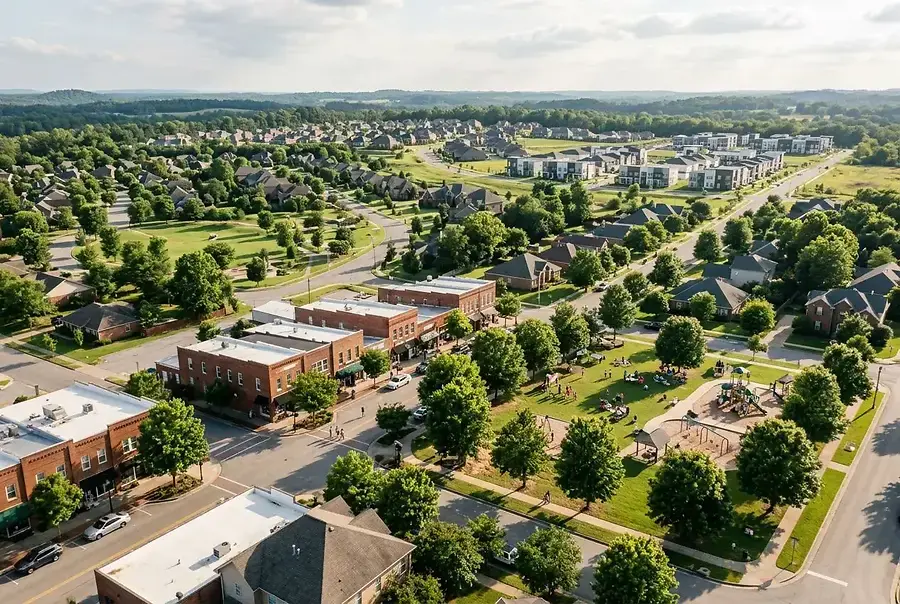
Understanding Cabot's Diverse Neighborhoods and Their Unique Characteristics
Cabot has evolved into a vibrant community with distinct neighborhoods, each offering its own charm and appeal. From established residential areas to emerging developments, the city presents homebuyers with diverse options that cater to different preferences and priorities.
Historic Downtown Cabot
The heart of Cabot features tree-lined streets and classic architecture that reflects the city's rich heritage. This neighborhood appeals to those who value walkability and proximity to local businesses, restaurants, and cultural attractions. Historic charm meets modern convenience in this revitalized area, making it ideal for professionals and retirees alike.
Suburban Family Communities
Cabot's suburban neighborhoods offer spacious homes, excellent schools, and family-friendly amenities. These areas are characterized by larger lots, parks, and recreational facilities that make them perfect for families with children. Community events and neighborhood associations foster strong connections among residents.
Emerging Growth Districts
Newer developments on Cabot's outskirts provide modern homes with contemporary designs and amenities. These areas attract investors and first-time homebuyers looking for newer construction and potential appreciation. Infrastructure development continues to enhance accessibility and convenience in these expanding regions.
Key Factors to Consider When Choosing Your Cabot Community
Lifestyle and Daily Convenience
Consider how you spend your time and what amenities matter most to you. Ask yourself:
- Do you prefer walkable neighborhoods with shops and restaurants nearby?
- Are you looking for quiet, residential streets away from commercial areas?
- How important is proximity to parks, gyms, or recreational facilities?
- Do you need easy access to highways for commuting?
Schools and Education
For families with children, school quality significantly impacts neighborhood choice. Research school ratings, extracurricular programs, and community involvement. Top-rated schools often correlate with higher property values and stronger community engagement.
Investment Potential
Evaluate each neighborhood's growth trajectory and market trends. Consider factors such as:
- Recent property value appreciation rates
- Planned infrastructure improvements and development projects
- Population growth and demographic trends
- Commercial development and job opportunities
Community Character and Demographics
Each neighborhood has its own personality shaped by resident demographics, age ranges, and community values. Visit neighborhoods at different times to get a genuine feel for the community atmosphere and whether it aligns with your preferences.
What Makes Each Neighborhood Stand Out for Different Homebuyers
For Young Professionals
Downtown and near-downtown neighborhoods offer urban convenience with shorter commutes and vibrant nightlife. Walkable streets and proximity to employment centers make these areas particularly attractive. Rental options and smaller homes suit those not yet ready for large family properties.
For Growing Families
Suburban communities with excellent schools, parks, and family activities provide the ideal environment for raising children. Larger homes with yards and established neighborhoods create stable, connected communities where children can thrive and families build lasting friendships.
For Empty Nesters and Retirees
Low-maintenance homes, proximity to healthcare facilities, and active adult communities appeal to this demographic. Walkable neighborhoods with cultural attractions and social opportunities enhance quality of life during retirement years.
For Real Estate Investors
Emerging growth districts and neighborhoods undergoing revitalization offer strong appreciation potential. Investors should focus on areas with planned infrastructure improvements, population growth, and increasing commercial activity. Rental demand and property appreciation rates are crucial metrics for investment decisions.
Making Your Final Decision: Next Steps for Finding Home in Cabot
Research and Exploration
Begin by gathering information about neighborhoods that match your criteria. Use online resources, real estate websites, and community websites to learn about each area. Virtual tours and neighborhood maps provide initial insights before visiting in person.
Visit in Person
Schedule visits to neighborhoods during different times of day and week. Walk the streets, visit local businesses, and observe community activity. Talk to current residents about their experiences and what they love about their neighborhoods. This firsthand experience is invaluable in making your decision.
Consult with Real Estate Professionals
Work with experienced local real estate agents who understand Cabot's neighborhoods intimately. They can provide market insights, identify emerging opportunities, and help you navigate the buying process. Their expertise saves time and helps you avoid costly mistakes.
Evaluate Your Priorities
Create a list of must-haves versus nice-to-haves. Prioritize factors that matter most to your lifestyle and goals. Be realistic about budget constraints while considering long-term value and satisfaction.
Take Your Time
Choosing a neighborhood is a significant decision that shouldn't be rushed.
The right community is one where you can envision yourself thriving for years to come.Take time to explore options, ask questions, and trust your instincts about where you'll be happiest.
Final Thoughts
Cabot's diverse neighborhoods offer something for everyone. Whether you're drawn to historic charm, suburban comfort, or modern development, the key is finding a community that aligns with your lifestyle, values, and goals. By carefully considering your priorities and exploring each neighborhood thoroughly, you'll discover the ideal place to call home in Cabot.