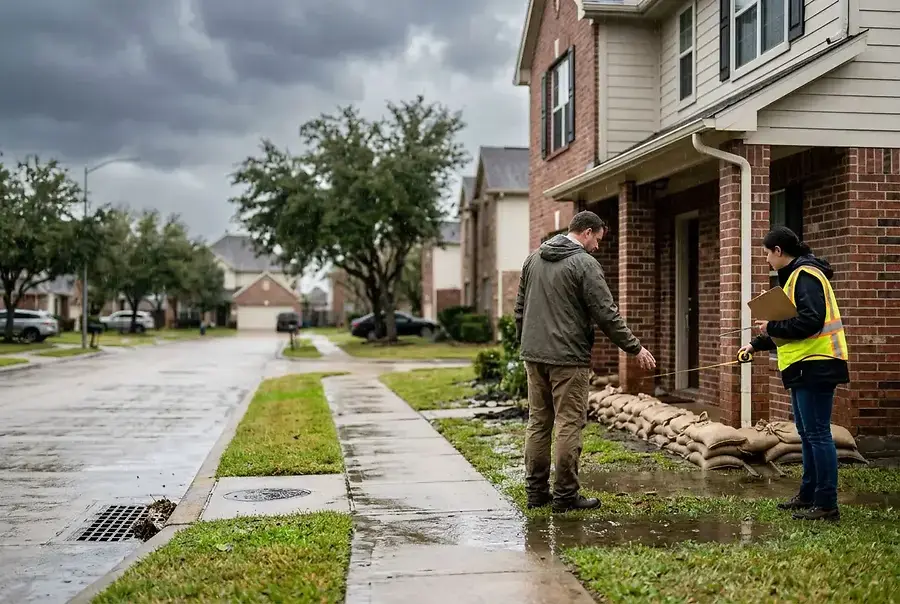
Understanding Flood Risk in Pearland and Houston Neighborhoods
Homeowners in Pearland and Houston face unique challenges when it comes to protecting their properties from flooding. Located in Southeast Texas, these communities experience significant flood risks due to their proximity to the Gulf of Mexico, heavy rainfall patterns, and complex drainage systems. Understanding your specific flood risk is the first critical step toward protecting your home and family.
Pearland and Houston neighborhoods vary considerably in their flood vulnerability. Some areas sit in designated flood zones, while others face occasional flooding from heavy storms. The Federal Emergency Management Agency (FEMA) provides flood maps that categorize properties into different risk levels. Knowing your home's flood zone classification is essential for determining insurance requirements and protection strategies.
Assessing Your Property's Flood Risk
Begin by checking your property's flood zone designation through FEMA's Flood Map Service Center. Properties in high-risk zones (Special Flood Hazard Areas) face mandatory flood insurance requirements if they have federally-backed mortgages. Even homes in moderate or low-risk zones can experience flooding during severe weather events, making insurance consideration important for all homeowners.
Local factors also influence flood risk, including:
- Proximity to bayous, creeks, and drainage channels
- Elevation relative to surrounding areas
- Local drainage infrastructure capacity
- Historical flooding patterns in your neighborhood
- Recent development and land use changes
Flood Insurance Requirements and Coverage Options for Texas Homeowners
Understanding Flood Insurance Mandates
If your home is located in a high-risk flood zone and financed with a federally-backed mortgage, flood insurance is mandatory, not optional. Lenders require this coverage to protect their financial interest in your property. However, even if insurance isn't required, it's highly recommended for homeowners in moderate-risk areas.
Standard homeowners insurance policies do not cover flood damage. This critical gap in coverage means that without dedicated flood insurance, you could face devastating financial losses. Flood insurance is a separate policy that specifically protects against water damage from flooding events.
Exploring Your Coverage Options
Texas homeowners have two primary sources for flood insurance:
- National Flood Insurance Program (NFIP): A federal program offering standardized coverage with consistent rates and terms. NFIP policies are available through private insurance agents and provide up to $250,000 in building coverage and $100,000 in personal property coverage.
- Private Flood Insurance: Offered by private insurers, these policies may provide higher coverage limits, lower premiums, and more flexible terms than NFIP options. Private insurers have become increasingly competitive in Texas markets.
Coverage Considerations
When selecting flood insurance, consider your home's replacement value, contents, and additional living expenses. Adequate coverage should account for the full cost of rebuilding your home and replacing belongings. Many homeowners underestimate replacement costs, leaving themselves vulnerable to significant out-of-pocket expenses after a flood.
"Flood insurance is not just about meeting lender requirements—it's about protecting your family's financial security and peace of mind."
Practical Steps to Protect Your Home from Water Damage and Flooding
Structural Improvements and Elevation
For homes in high-risk flood zones, structural modifications can significantly reduce flood damage. Elevation—raising your home above the base flood elevation—is one of the most effective long-term solutions. While expensive, elevation can lower insurance premiums and provide substantial protection.
Other structural improvements include:
- Installing flood vents in foundation walls to allow water to flow through rather than building pressure
- Sealing cracks and gaps in foundations and exterior walls
- Installing backflow preventers on plumbing systems
- Elevating mechanical systems (HVAC, electrical panels, water heaters) above flood levels
Landscaping and Drainage Solutions
Proper grading and drainage around your home can redirect water away from your foundation. Ensure that ground slopes away from your house at least six inches over ten feet. Clean gutters and downspouts regularly, extending them at least four to six feet away from your foundation.
Consider installing:
- French drains or dry wells to manage surface water
- Rain gardens to absorb excess water naturally
- Permeable paving materials to reduce runoff
- Sump pumps with battery backup systems
Interior Protection and Preparedness
Beyond structural measures, prepare your home's interior for potential flooding. Move valuable items, important documents, and irreplaceable belongings to upper floors or elevated storage. Keep an emergency kit with essentials, and maintain detailed home inventory documentation for insurance purposes.
Develop a family flood action plan that includes:
- Evacuation routes and designated meeting places
- Important contact information and document locations
- Utility shut-off procedures
- Communication strategies for separated family members
Regular Maintenance and Inspections
Routine home maintenance prevents water intrusion and damage. Inspect your roof, foundation, and exterior regularly for cracks or damage. Address any water damage immediately to prevent mold growth and structural deterioration. Keep records of all maintenance and repairs for insurance documentation.
Making Informed Decisions About Your Home's Long-Term Protection
Protecting your Pearland or Houston home from flooding requires a comprehensive approach combining insurance coverage, structural improvements, and ongoing preparedness. Start by understanding your specific flood risk and insurance requirements. Then, evaluate which protective measures make sense for your property and budget.
Work with qualified professionals—insurance agents, contractors, and engineers—to develop a customized protection strategy. The investment in flood insurance and home improvements today can save you from catastrophic losses tomorrow. By taking proactive steps now, you're securing your family's safety and your home's long-term value.
Remember that flood protection is not a one-time effort but an ongoing commitment. Stay informed about local flood risks, maintain your property, review your insurance coverage annually, and update your emergency plans as needed. Your diligence today ensures your family's security and peace of mind for years to come.