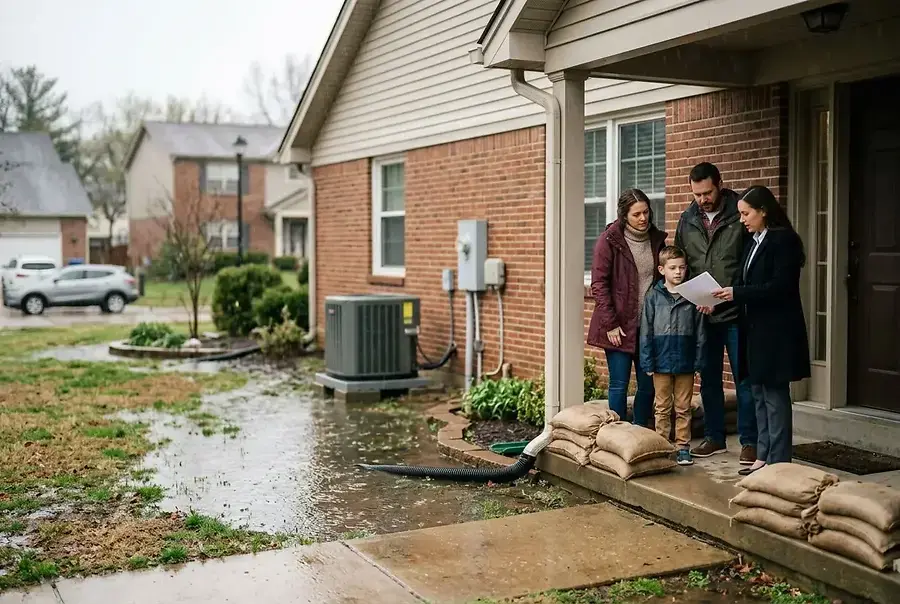
Understanding Flood Risk Zones in the St. Louis Metro Region
The St. Louis metropolitan area, situated along the Mississippi and Missouri Rivers, faces unique flood challenges that homeowners must understand. Flood risk varies significantly across neighborhoods, with some areas experiencing higher vulnerability than others based on proximity to waterways, elevation, and historical flooding patterns.
Identifying Your Flood Zone
The Federal Emergency Management Agency (FEMA) classifies properties into different flood zones based on statistical probability of flooding. Zone A represents high-risk areas with a 1% annual chance of flooding, while Zone B indicates moderate risk, and Zone C represents low-risk areas. Understanding your property's zone is the first step in assessing your vulnerability.
You can determine your flood zone by:
- Visiting FEMA's Flood Map Service Center online
- Contacting your local St. Louis or St. Charles county assessor's office
- Consulting with a professional flood risk assessment company
- Reviewing your property's flood insurance study documents
Historical Flooding Patterns
The St. Louis metro region has experienced significant flooding events throughout history. Properties near the Mississippi River floodplain, as well as areas prone to urban flooding from heavy rainfall, require careful consideration. Local historical data provides valuable insights into how often and how severely your area has flooded.
Flood Insurance Requirements and Coverage Options for Homeowners
When Flood Insurance is Required
If your home is located in a high-risk flood zone and you have a federally-backed mortgage, flood insurance is mandatory. Even if not required, homeowners in moderate or low-risk zones should strongly consider coverage, as standard homeowners insurance does not cover flood damage.
Types of Flood Insurance Available
Homeowners in the St. Louis metro area have two primary flood insurance options:
- National Flood Insurance Program (NFIP): A government-backed program offering standardized coverage with predictable rates. Policies typically cover up to $250,000 for the building structure and $100,000 for personal property.
- Private Flood Insurance: Offered by private insurers, these policies may provide higher coverage limits and potentially lower premiums for lower-risk properties. Coverage options are more flexible and customizable.
Understanding Coverage Limits
Flood insurance policies have specific coverage limits and deductibles.
Most homeowners should carefully evaluate whether standard coverage limits adequately protect their investment, especially in high-value properties or areas with significant flood risk.Deductibles typically range from $1,000 to $30,000, with higher deductibles resulting in lower premiums.
Practical Steps to Mitigate Flood Risk and Reduce Insurance Costs
Home Elevation and Structural Improvements
One of the most effective ways to reduce flood risk is elevating your home above the base flood elevation. While expensive, this permanent solution can significantly lower insurance premiums and protect your property from damage. Other structural improvements include:
- Installing flood vents in foundation walls to allow water to flow through rather than build pressure
- Sealing cracks and gaps in your foundation
- Installing backflow preventers on plumbing and sewer lines
- Upgrading HVAC systems to higher locations
Landscaping and Drainage Solutions
Proper grading and drainage around your home can redirect water away from your foundation. Grade your yard to slope away from the house, install or maintain gutters and downspouts, and consider creating rain gardens or permeable surfaces to manage stormwater runoff effectively.
Wet Floodproofing Strategies
For properties where elevation isn't feasible, wet floodproofing allows water to enter specific areas while protecting valuable spaces. This includes using water-resistant materials in basements, installing removable flood barriers, and keeping important systems and utilities above potential flood levels.
Insurance Premium Discounts
Many insurance providers offer discounts for mitigation measures, including:
- Elevation certificates (required for NFIP discounts)
- Installation of flood vents or backflow preventers
- Completion of mitigation projects verified by inspectors
- Bundling flood insurance with other policies
Making Informed Decisions: Flood Risk Impact on Property Value and Resale
How Flood Risk Affects Property Values
Properties in high-risk flood zones typically experience lower market values compared to similar homes in low-risk areas. Buyers factor in mandatory insurance costs, potential damage risks, and difficulty obtaining financing. The impact on property value can range from 5% to 25% depending on flood zone classification and local market conditions.
Disclosure Requirements
Missouri and Illinois require sellers to disclose known flood risks and insurance requirements to potential buyers. Transparency about flood history and current insurance status is not only legally required but also builds buyer confidence. Failing to disclose flood risk can result in legal liability and transaction complications.
Strategies for Protecting Your Investment
To maintain property value and appeal to future buyers:
- Document all mitigation improvements with photos and receipts
- Maintain current flood insurance coverage
- Keep detailed records of any flooding incidents and repairs
- Invest in visible improvements that reduce flood risk perception
- Obtain an elevation certificate if your home has been elevated
Working with Real Estate Professionals
When buying or selling in the St. Louis metro area, work with real estate agents and attorneys familiar with flood risk issues. They can help you understand how flood risk affects your specific property, negotiate appropriate pricing, and ensure all disclosures are properly handled. Professional guidance is invaluable when making decisions about flood-prone properties.
Protecting your St. Louis metro home from flood risk requires a comprehensive approach combining proper insurance coverage, strategic mitigation measures, and informed decision-making. By understanding your flood zone, securing appropriate insurance, and implementing protective measures, you can safeguard your investment and maintain property value for years to come.