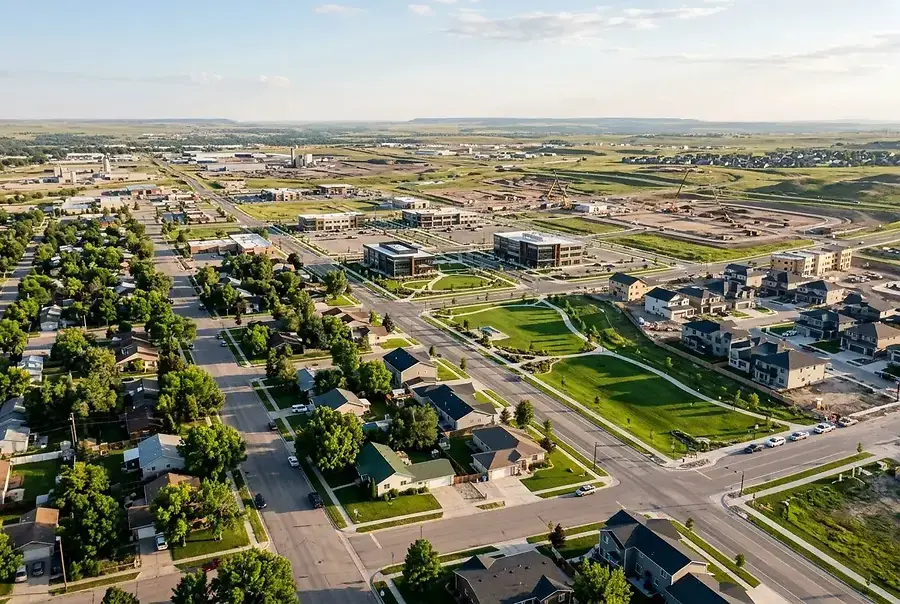
Understanding Gillette's Evolving Neighborhoods
Gillette is experiencing a dynamic transformation that's reshaping its real estate landscape. The city's neighborhoods are undergoing significant shifts in demographics, infrastructure, and development patterns that are directly influencing property values across the region. For homebuyers and sellers, understanding these transitions is crucial to making informed decisions in today's competitive market.
The evolution of Gillette's neighborhoods reflects broader trends in urban development and population movement. New families are discovering previously overlooked areas, while established neighborhoods are experiencing revitalization. This creates a unique opportunity for those who can identify where the market is heading before it becomes obvious to everyone else.
The Current Market Landscape
Gillette's real estate market is characterized by diversity. Some neighborhoods maintain their traditional charm while others are rapidly modernizing. This variation means that property values aren't moving uniformly across the city—some areas are appreciating faster than others, creating distinct opportunities for strategic investors and homebuyers.
Understanding these differences requires looking beyond surface-level statistics. It means examining:
- Population growth patterns and demographic shifts
- Infrastructure development and planned projects
- School district improvements and ratings
- Commercial development and job creation
- Community amenities and quality of life factors
How New Development and Infrastructure Projects Impact Property Values
Infrastructure projects and new development are the primary drivers of neighborhood transformation in Gillette. When a new highway interchange is planned, a shopping district is revitalized, or public transportation improves, property values in surrounding areas typically respond positively.
Major Infrastructure Initiatives
Recent infrastructure investments in Gillette have been substantial. Road improvements, utility upgrades, and public facility enhancements are making certain neighborhoods more accessible and desirable. These projects don't just improve daily life—they fundamentally change how the market perceives an area's potential.
Key infrastructure impacts include:
- Transportation improvements: Better road access and connectivity increase property desirability and reduce commute times
- Utility upgrades: Modern infrastructure attracts new residents and supports higher density development
- Public amenities: Parks, recreation centers, and community spaces enhance neighborhood appeal
- School facilities: Educational improvements draw families and support long-term appreciation
Commercial Development Effects
Commercial growth in Gillette is creating ripple effects throughout nearby residential areas. New retail centers, office parks, and mixed-use developments bring jobs and services that make neighborhoods more attractive. Properties near these developments often see accelerated appreciation as demand increases.
The relationship between commercial and residential property values is symbiotic. Businesses want to locate where people live, and people want to live where jobs and services are available. Neighborhoods that successfully attract commercial investment often experience a virtuous cycle of growth and appreciation.
Identifying Emerging Neighborhoods with Strong Appreciation Potential
The most successful real estate investors and homebuyers in Gillette are those who can identify emerging neighborhoods before they become mainstream. This requires understanding the indicators that signal future growth and appreciation.
Signs of Emerging Neighborhood Potential
Several factors suggest a neighborhood is positioned for strong appreciation:
- Early-stage revitalization: Areas showing initial signs of improvement but not yet fully developed
- Planned infrastructure projects: Announced developments that will improve accessibility and services
- Demographic trends: Population growth and younger residents moving into the area
- Property price stability: Areas where prices haven't yet spiked but fundamentals are improving
- Local investment: Evidence of business owners and developers betting on the neighborhood's future
Research and Due Diligence
Identifying opportunity neighborhoods requires thorough research. Look beyond current property prices to understand what's driving change. Talk to local real estate professionals, review development plans, and attend city council meetings to understand what's planned for different areas.
Pay attention to neighborhoods where:
- Property values have lagged behind city averages but fundamentals are improving
- New businesses are opening and existing ones are expanding
- Community organizations are active and engaged
- Local government is investing in improvements
- Young professionals and families are beginning to relocate
Timing Your Entry
The key to capitalizing on neighborhood transitions is timing. The best returns come from entering a neighborhood early in its transformation cycle, before widespread recognition drives prices up significantly. This requires confidence in your analysis and willingness to look beyond current market sentiment.
However, timing doesn't mean buying in neighborhoods that are completely underdeveloped. The most reliable opportunities exist in areas showing clear signs of improvement—where infrastructure is being upgraded, businesses are investing, and demographics are shifting positively.
Using Market Shifts to Your Real Estate Advantage
Understanding Gillette's neighborhood transitions provides a competitive advantage in the real estate market. Whether you're buying your first home, upgrading to a larger property, or investing for appreciation, this knowledge helps you make better decisions.
For Homebuyers
If you're looking to purchase a home in Gillette, consider neighborhoods that are transitioning positively. You may find better value in emerging areas compared to already-established neighborhoods. This approach allows you to build equity faster as the neighborhood develops and property values appreciate.
For Sellers
If you're selling property in Gillette, understanding neighborhood trends helps you price effectively and market to the right buyers. Properties in neighborhoods with strong growth indicators will attract more interest and potentially command premium prices.
For Investors
Real estate investors can leverage neighborhood transitions for significant returns. By identifying areas positioned for growth and acquiring properties before widespread recognition, investors can benefit from substantial appreciation over time.
The most successful real estate strategy in Gillette involves understanding where the market is heading and positioning yourself accordingly. This means staying informed, doing thorough research, and being willing to act when opportunities align with your goals.
Conclusion: Making Informed Decisions in Gillette's Dynamic Market
Gillette's real estate market is in flux, with neighborhoods experiencing significant transitions that create both challenges and opportunities. By understanding how development patterns and demographic shifts influence property values, you can make smarter decisions about where to buy, sell, or invest.
The neighborhoods that will appreciate most significantly in the coming years are those experiencing positive infrastructure development, demographic growth, and commercial investment. By identifying these areas early and understanding the factors driving their transformation, you position yourself to benefit from Gillette's continued evolution.
Whether you're a homebuyer seeking value, a seller looking to maximize returns, or an investor pursuing appreciation, the key is staying informed about neighborhood trends and understanding the forces reshaping Gillette's real estate landscape. The market rewards those who do their homework and act strategically.