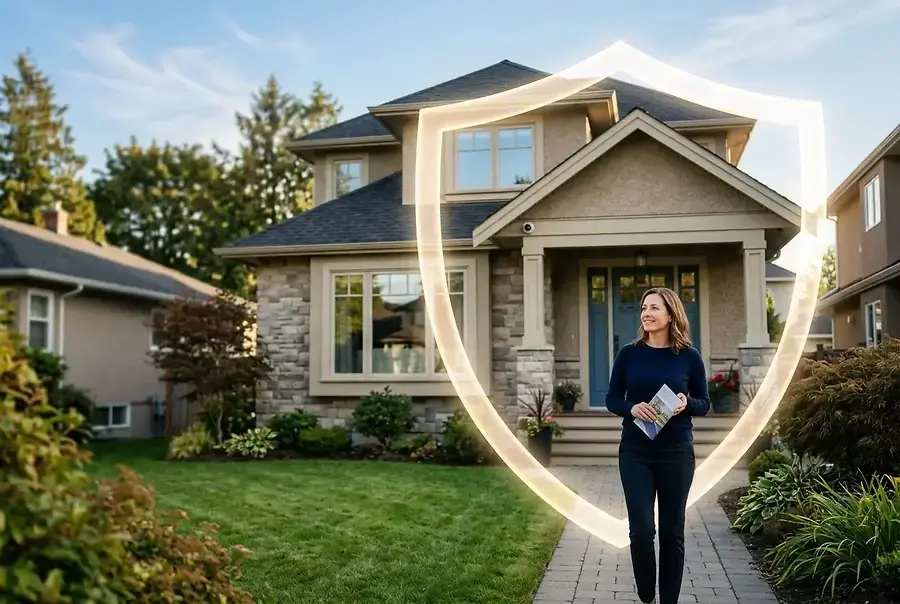
Why Homeowner Insurance Matters for Residential Property Owners
Your home is likely the most significant investment you'll ever make. Whether you own a cozy cottage, a suburban family home, or a modern urban residence, protecting this asset should be a top priority. Homeowner insurance provides essential financial protection against unexpected disasters, theft, and liability claims that could otherwise devastate your finances.
Beyond being a smart financial decision, homeowner insurance is often mandatory if you have a mortgage. Lenders require proof of coverage to ensure their investment is protected. But even if you own your home outright, the risks are too significant to ignore. From natural disasters to accidents on your property, comprehensive coverage offers peace of mind and financial security.
Without proper homeowner insurance, a single catastrophic event could force you to rebuild your life from scratch. The right policy ensures you're prepared for whatever comes your way.
Understanding Coverage Types: Dwelling, Personal Property, and Liability Protection
Dwelling Coverage
Dwelling coverage is the foundation of any homeowner insurance policy. This protection covers the structure of your home itself—the walls, roof, foundation, built-in appliances, and permanent fixtures. It does not cover the land your home sits on, as land cannot be destroyed or damaged in the traditional sense.
When selecting dwelling coverage limits, ensure the amount reflects the replacement cost of your home, not its market value. Replacement cost is what it would actually cost to rebuild your home from scratch using current materials and labor rates. Many homeowners underestimate this figure, leaving themselves vulnerable to significant out-of-pocket expenses after a loss.
Personal Property Coverage
While dwelling coverage protects your home's structure, personal property coverage protects your belongings inside the home. This includes:
- Furniture and furnishings
- Electronics and appliances
- Clothing and accessories
- Books, artwork, and collectibles
- Kitchen items and household goods
Most policies cover personal property at 50-70% of your dwelling coverage limit. High-value items like jewelry, art, or antiques may require additional coverage through scheduled personal property endorsements. It's wise to create a home inventory and document your possessions with photos or videos for claims purposes.
Liability Protection
Liability coverage protects you if someone is injured on your property or if you accidentally damage someone else's property. This includes medical expenses, legal fees, and court judgments. Standard policies typically offer $100,000 to $300,000 in liability protection, though higher limits are available.
Consider your assets and potential risks when choosing liability limits. If you have significant savings, investments, or a high income, higher liability coverage becomes increasingly important. An umbrella policy can provide additional liability protection beyond your homeowner insurance limits.
Factors That Affect Your Homeowner Insurance Rates and How to Lower Them
What Influences Your Premiums
Insurance companies use multiple factors to calculate your homeowner insurance rates:
- Location: Areas prone to natural disasters, high crime rates, or poor fire protection typically have higher premiums
- Home age and condition: Older homes or those in poor condition cost more to insure
- Construction materials: Homes built with fire-resistant materials qualify for discounts
- Claims history: Previous insurance claims increase your risk profile
- Credit score: Insurers often use credit information to assess risk
- Coverage limits and deductibles: Higher limits and lower deductibles increase premiums
Proven Strategies to Lower Your Premiums
Bundle your policies: Combining homeowner and auto insurance with the same insurer typically yields 10-25% discounts on both policies.
Increase your deductible: Raising your deductible from $500 to $1,000 can reduce your premium by 15-30%. Only do this if you have emergency savings to cover the higher out-of-pocket cost.
Improve home security: Installing deadbolt locks, security systems, or surveillance cameras can earn you discounts of 5-15%. Ask your insurer about specific security features they reward.
Maintain your home: Regular maintenance prevents damage and claims. Keep your roof in good condition, maintain plumbing and electrical systems, and address issues promptly.
Ask about available discounts: Many insurers offer discounts for being claim-free, paying your premium in full, going paperless, or being a loyal customer. Always ask what discounts you qualify for.
Shop around regularly: Insurance rates change frequently. Comparing quotes from multiple insurers every 2-3 years ensures you're getting competitive pricing.
Improve your credit score: Since many insurers use credit information, maintaining good credit can help lower your rates over time.
Making Informed Decisions About Your Home Protection Strategy
Selecting the right homeowner insurance requires balancing adequate protection with affordable premiums. Start by assessing your needs honestly. Consider your home's replacement cost, the value of your personal property, your liability exposure, and your financial ability to handle deductibles.
Review your policy annually, especially after major life changes like home improvements, purchasing valuable items, or significant changes to your financial situation. Your insurance needs evolve as your circumstances change.
Don't automatically renew your policy each year without shopping around. Insurance companies adjust rates regularly, and new competitors may offer better rates. Getting quotes from at least three insurers ensures you're making an informed decision.
Finally, understand what your policy covers and what it doesn't. Read your policy documents carefully, ask your agent questions, and maintain clear records of your coverage. When you truly understand your homeowner insurance, you can protect your residential investment with confidence and peace of mind.