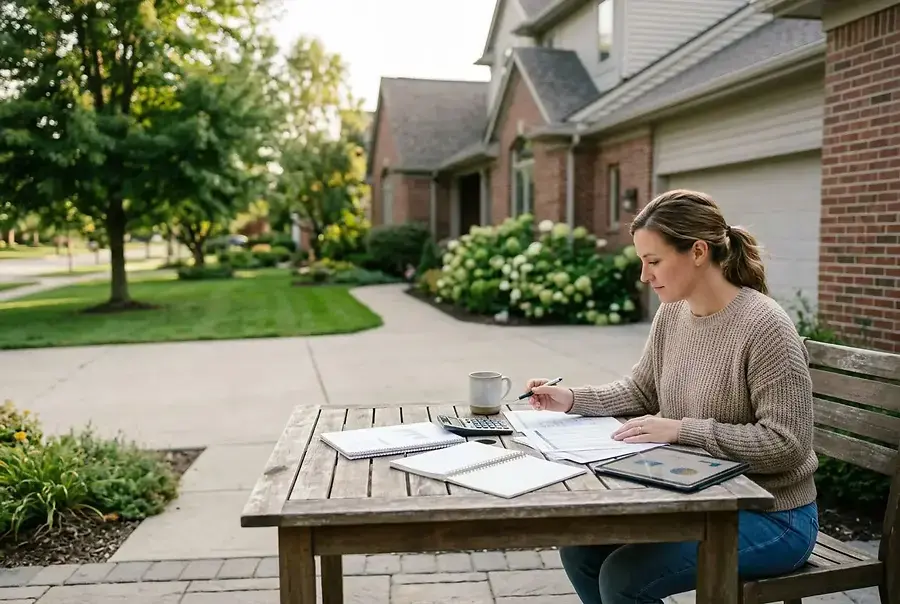
Understanding the True Cost of Homeownership
Purchasing a home in Rochester, Michigan is an exciting milestone, but many first-time homeowners are surprised to discover that the purchase price is just the beginning of their financial commitment. The true cost of homeownership extends far beyond your monthly mortgage payment, encompassing a variety of essential expenses that can significantly impact your budget.
When you buy a home in Rochester's desirable residential market, you're not just paying for the property itself—you're investing in a lifestyle that comes with ongoing financial responsibilities. Understanding these costs upfront will help you make a more informed decision and avoid financial strain down the road.
Essential Expenses Beyond Your Mortgage Payment
Property Taxes and Insurance
Property taxes are one of the most substantial recurring expenses Rochester homeowners face. In Michigan, property taxes are based on the assessed value of your home and can represent a significant portion of your monthly housing costs. Additionally, homeowners insurance is a non-negotiable expense that protects your investment against fire, theft, and other covered damages.
Many homeowners are surprised to learn that their lender requires them to maintain adequate insurance coverage as a condition of their mortgage. Budget for both property taxes and insurance when calculating your true monthly housing expenses.
Utilities and Maintenance
Monthly utility bills—including electricity, gas, water, and sewer—vary depending on the size of your home and seasonal weather patterns. Rochester experiences all four seasons, which means heating costs in winter and cooling costs in summer can be substantial.
Beyond utilities, routine maintenance is critical to protecting your investment. Consider budgeting for:
- HVAC system servicing and repairs
- Roof inspections and repairs
- Plumbing and electrical maintenance
- Lawn care and landscaping
- Gutter cleaning and exterior maintenance
A common rule of thumb is to set aside 1-2% of your home's purchase price annually for maintenance and repairs. For a $300,000 home, this means budgeting $3,000-$6,000 per year.
HOA Fees and Special Assessments
If your Rochester home is part of a homeowners association, you'll need to budget for monthly or annual HOA fees. These fees cover community amenities, common area maintenance, and sometimes insurance. Additionally, HOAs may levy special assessments for unexpected major repairs or improvements to common areas.
Home Improvements and Upgrades
While not all homeowners make immediate improvements, many budget for upgrades such as:
- Kitchen and bathroom renovations
- Flooring replacements
- Paint and cosmetic updates
- Appliance replacements
- Deck or patio additions
These expenses can range from minor cosmetic updates to major structural improvements, so it's wise to establish a separate home improvement fund.
Closing Costs and Initial Expenses
Before you even move into your Rochester home, you'll face closing costs that typically range from 2-5% of the purchase price. These include:
- Appraisal fees
- Title search and insurance
- Inspection fees
- Loan origination fees
- Attorney fees
- Property survey costs
Many buyers are surprised that closing costs can add $6,000-$15,000 or more to their initial investment, depending on the home's price and loan terms.
Planning Your Financial Strategy as a Rochester, MI Homeowner
Create a Comprehensive Budget
Start by listing all potential expenses and estimating monthly costs. Include mortgage, property taxes, insurance, utilities, maintenance reserves, and any HOA fees. This comprehensive view will help you understand your true monthly housing costs and ensure you can comfortably afford homeownership.
Build an Emergency Fund
Unexpected repairs happen—a furnace failure, roof leak, or plumbing emergency can cost thousands of dollars. Experts recommend maintaining an emergency fund equal to 3-6 months of your total housing expenses to handle these situations without financial stress.
Plan for Long-Term Maintenance
Different home systems have different lifespans. Your roof may last 20-25 years, your HVAC system 15-20 years, and your water heater 10-15 years. Understanding these timelines helps you budget for major replacements before they become emergencies.
Review and Adjust Regularly
Your financial situation and home needs will evolve over time. Review your homeownership budget annually and adjust for changes in property taxes, insurance rates, and maintenance needs. This proactive approach helps you stay financially prepared.
Conclusion: Making an Informed Investment Decision
Homeownership in Rochester, Michigan offers wonderful opportunities and the satisfaction of building equity in your own property. However, success requires understanding and planning for all the costs involved—not just the purchase price and mortgage payment.
By recognizing these essential expenses and creating a comprehensive financial strategy, you'll be better equipped to enjoy your Rochester home without financial surprises. Take time to calculate your true monthly costs, build appropriate reserves, and plan for long-term maintenance. With proper preparation, you can confidently navigate the financial responsibilities of homeownership and make a sound investment in your future.
Remember: The most successful homeowners are those who plan ahead and understand the complete financial picture of their investment.