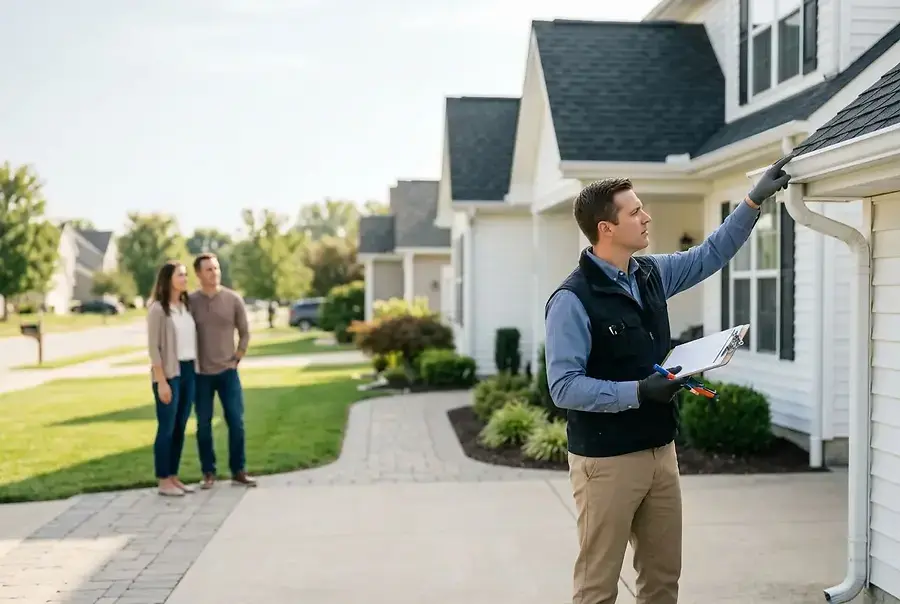
Understanding the Inspection Process and What Inspectors Look For
A home inspection is one of the most critical steps in the residential purchase process. This comprehensive evaluation examines the property's structural integrity, mechanical systems, and overall condition. Understanding what inspectors evaluate can help you prepare mentally and financially for potential repairs.
Professional home inspectors typically examine:
- Structural components - Foundation, walls, roof, and framing
- Roofing systems - Shingles, flashing, gutters, and drainage
- Plumbing - Water pressure, drainage, leaks, and pipe conditions
- Electrical systems - Wiring, outlets, panels, and safety compliance
- HVAC systems - Heating, cooling, ventilation, and air quality
- Appliances - Functionality and operational status
- Interior elements - Walls, ceilings, floors, windows, and doors
- Exterior features - Siding, landscaping, drainage, and grading
Inspectors follow standardized protocols and provide detailed reports documenting their findings. These reports become valuable negotiation tools and help you understand the true condition of your potential investment.
Preparing Your Home for Appraisal to Maximize Its Assessed Value
An appraisal determines the property's market value for lending purposes. Unlike inspections that focus on condition, appraisals emphasize value. Proper preparation can significantly impact the appraised amount, which directly affects your loan approval and financing terms.
Key Preparation Steps
Curb Appeal Matters - First impressions influence appraisers. Ensure landscaping is neat, exterior paint is fresh, and the entrance is welcoming. A well-maintained exterior suggests overall property care.
Document Improvements - Gather receipts and documentation for recent renovations, upgrades, or repairs. Appraisers need evidence of improvements to factor them into valuations. Keep records of new roofing, HVAC systems, windows, or kitchen updates.
Clean and Declutter - A clean home allows appraisers to see the property's true condition and potential. Remove personal clutter, organize closets, and ensure all spaces are accessible for inspection.
Highlight Unique Features - Point out special amenities like updated systems, energy-efficient upgrades, or premium finishes. Create a brief summary of notable features for the appraiser's reference.
Ensure Accessibility - Make sure the appraiser can access all areas, including attics, basements, and mechanical spaces. Clear pathways and remove obstacles that might prevent thorough evaluation.
Common Issues Found During Inspections and How to Address Them
Most homes have some issues. Understanding common problems and their solutions helps you respond strategically to inspection reports.
Frequent Inspection Findings
Roof Issues - Missing shingles, deteriorated flashing, or inadequate ventilation are common. Roof repairs or replacement can be expensive, but addressing them prevents water damage and structural problems.
Plumbing Problems - Slow drains, water pressure issues, or outdated pipes frequently appear in inspection reports. These range from simple fixes to significant replacements depending on severity.
Electrical Concerns - Outdated panels, insufficient outlets, or code violations may be flagged. Electrical work requires licensed professionals and should never be ignored for safety reasons.
HVAC Deficiencies - Aging systems or inadequate maintenance often surface during inspections. Proper maintenance or system replacement ensures comfort and energy efficiency.
Foundation and Structural Issues - Cracks, settling, or moisture problems require professional assessment. Some issues are cosmetic while others indicate serious concerns requiring immediate attention.
Strategic Response Approach
Don't panic when issues appear. Prioritize repairs by severity and cost. Address safety concerns immediately, then tackle items affecting property value. Consider requesting seller repairs, price reductions, or credits toward closing costs rather than handling everything yourself.
Using Inspection and Appraisal Results to Negotiate Better Offers
Inspection and appraisal reports are powerful negotiation tools. Strategic use of these documents can result in significant savings and better purchase terms.
Negotiation Strategies
Request Seller Repairs - If the inspection reveals significant issues, request that the seller address them before closing. This ensures repairs meet professional standards and protects your interests.
Negotiate Price Reductions - Use inspection findings to justify lower offers. Calculate repair costs and request proportional price reductions, allowing you to handle repairs yourself or budget for future work.
Obtain Repair Credits - Sellers may prefer providing closing cost credits rather than completing repairs. This gives you flexibility and control over contractor selection.
Leverage Appraisal Gaps - If the appraisal comes in lower than the purchase price, you have negotiating power. Request price adjustments or renegotiate terms based on the appraised value.
Establish Contingencies - Use inspection and appraisal contingencies to protect yourself. These allow you to renegotiate or withdraw if significant issues emerge or values don't align with expectations.
Professional Guidance
Working with experienced real estate agents and attorneys ensures you understand your reports and leverage them effectively. These professionals help interpret findings, assess repair costs, and develop negotiation strategies that protect your investment.
Inspections and appraisals might seem daunting, but they're invaluable protections in residential purchases. By understanding these processes, preparing appropriately, and using results strategically, you'll make informed decisions that safeguard your investment and ensure you're getting true value for your money. Remember, knowledge is power in real estate transactions, and these assessments provide the information you need to negotiate confidently and purchase wisely.