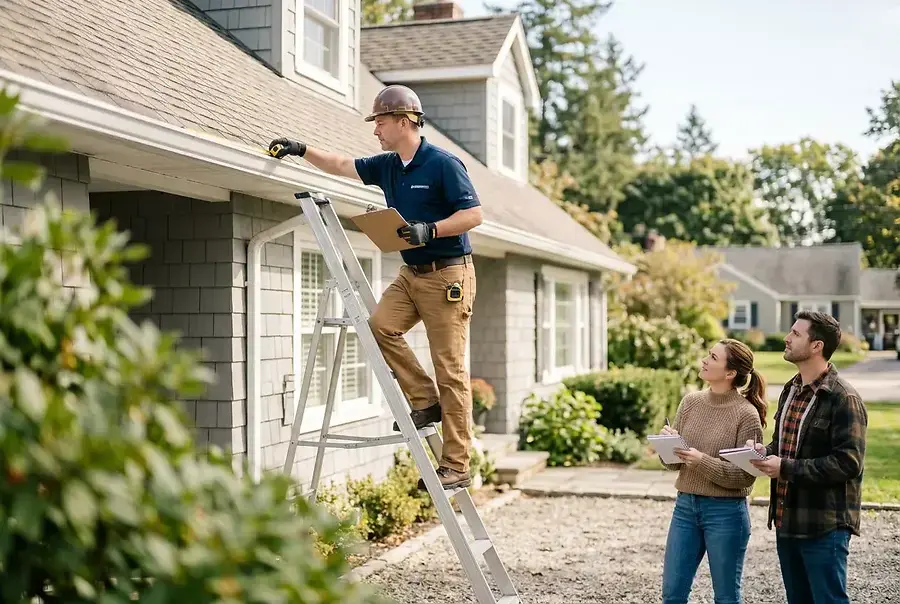
Why Home Inspections Matter for Buyers
Purchasing a home is one of the most significant financial decisions you'll make in your lifetime. Before committing to such a substantial investment, understanding the true condition of the property is essential. A professional home inspection serves as your safeguard, providing an objective assessment of the property's structural integrity, systems, and overall condition.
Home inspections typically cost between $300 and $500, but the insights they provide can save you thousands in unexpected repairs. An inspector examines everything from the foundation to the roof, evaluating electrical systems, plumbing, HVAC units, and more. This comprehensive evaluation gives you the information needed to make confident decisions about your purchase.
Key benefits of home inspections include:
- Identifying hidden defects that aren't visible during casual walkthroughs
- Providing leverage for negotiations with sellers
- Revealing maintenance issues that could become costly problems
- Giving you peace of mind about your investment
- Helping you plan for future repairs and maintenance
Understanding Common Inspection Issues and What They Mean
Structural and Foundation Concerns
Foundation issues are among the most serious problems an inspector can discover. Look for mentions of cracks, settling, or water intrusion in the inspection report. Minor hairline cracks are often normal, but larger cracks or signs of movement warrant professional evaluation. Foundation repairs can be expensive, so understanding the severity is crucial for your decision-making process.
Roofing and Exterior Issues
Roof condition directly impacts your home's protection and longevity. Inspectors evaluate shingle condition, flashing integrity, and signs of leaks. A roof nearing the end of its lifespan may need replacement within a few years. Missing shingles, curling, or granule loss indicate deterioration. Budget for roof replacement costs, which typically range from $5,000 to $15,000 depending on size and materials.
Electrical and Plumbing Systems
Outdated electrical systems or plumbing issues can create safety hazards and functionality problems. Common findings include:
- Outdated wiring that may not meet current codes
- Insufficient electrical capacity for modern appliances
- Corroded pipes or water pressure issues
- Outdated fixtures requiring replacement
- Signs of water damage or leaks
These systems are critical to daily living, so understanding their condition helps you plan necessary upgrades.
HVAC and Climate Control
Heating and cooling systems are essential for comfort and safety. Inspectors assess the age, functionality, and efficiency of furnaces, air conditioners, and heat pumps. Systems over 15 years old may be nearing replacement, which can cost $3,000 to $8,000. Understanding the remaining lifespan helps you budget for future expenses.
Water Damage and Moisture Issues
Water intrusion is a serious concern that can lead to mold, structural damage, and costly repairs. Inspectors look for signs of leaks, water stains, and moisture in basements, attics, and crawl spaces.
Addressing water issues promptly prevents exponential damage and health concerns associated with mold growth.
Negotiating Repairs and Credits After Your Inspection
Reviewing the Report Strategically
Once you receive the inspection report, review it carefully with your real estate agent. Categorize findings into three groups: critical issues requiring immediate attention, significant concerns that should be addressed, and minor maintenance items. This organization helps you prioritize negotiations with the seller.
Determining What to Negotiate
Not every finding requires negotiation. Focus on substantial issues that affect safety, functionality, or long-term value. Cosmetic issues or routine maintenance typically aren't negotiable. However, major systems failures, structural concerns, or code violations are legitimate negotiation points.
Consider these negotiation strategies:
- Request repairs: Ask the seller to fix critical issues before closing
- Negotiate credits: Request a credit toward closing costs to handle repairs yourself
- Price reduction: Propose a lower offer reflecting the cost of necessary repairs
- Seller concessions: Ask for extended closing timelines or other accommodations
Getting Estimates for Major Issues
Before negotiating, obtain contractor estimates for significant repairs. This documentation strengthens your negotiating position by providing concrete numbers. Sellers are more likely to respond reasonably when presented with professional assessments rather than vague concerns.
Understanding Your Leverage
Your negotiating power depends on market conditions, the severity of issues, and the seller's motivation. In competitive markets, sellers may be less willing to negotiate. However, critical safety issues or major system failures typically warrant discussion regardless of market conditions. Work with your real estate agent to determine realistic expectations for your specific situation.
Using Inspection Reports to Close with Confidence
A thorough home inspection transforms the buying process from a leap of faith into an informed decision. By understanding what inspectors look for and how to interpret their findings, you gain control over your investment. You're no longer purchasing a property blindly; instead, you're making decisions based on concrete information about its condition.
Remember that no home is perfect. Every property has some maintenance needs or minor issues. The goal isn't to find a flawless home but to understand what you're purchasing and plan accordingly. Use inspection findings to negotiate fairly, budget for necessary repairs, and move forward with confidence.
As you approach closing, keep the inspection report accessible. Share relevant findings with your insurance agent, as some issues may affect coverage. Use the information to plan your first-year maintenance budget and prioritize repairs. This proactive approach sets you up for success as a new homeowner.
By navigating inspection reports strategically, you protect your investment, avoid costly surprises, and close on your new home with complete confidence in your decision.