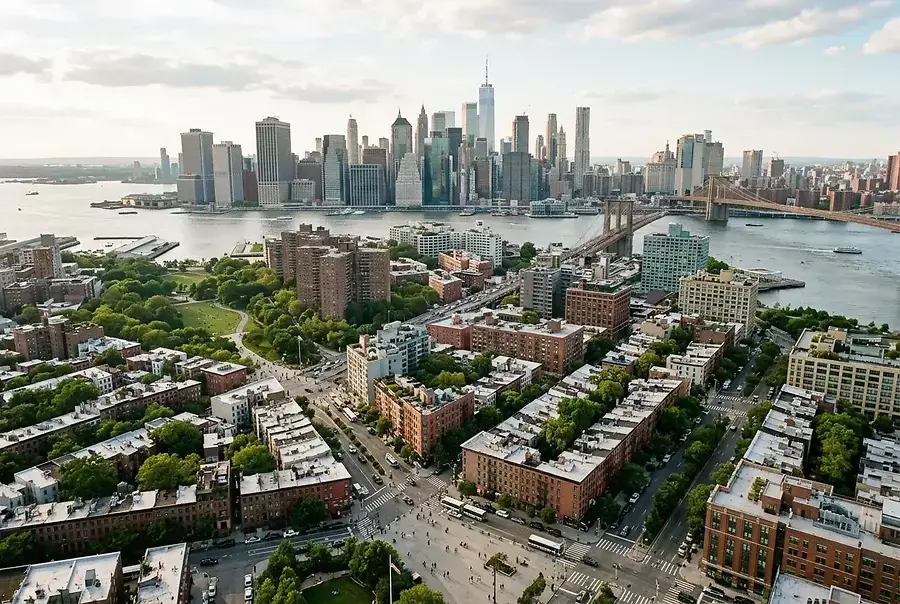
Introduction: Why Location Matters in NYC Residential Real Estate
New York City remains one of the most dynamic and competitive real estate markets in the world. Whether you're a first-time homebuyer, an investor, or someone looking to relocate, choosing the right neighborhood is crucial. Each of NYC's neighborhoods offers distinct characteristics, price points, and lifestyle amenities that cater to different preferences and budgets. Understanding these differences can mean the distinction between finding your dream home and settling for less.
The city's real estate landscape has evolved significantly, with emerging neighborhoods gaining prominence while established areas maintain their appeal. This guide explores 11 prime neighborhoods across the five boroughs, providing insights into their unique characteristics and investment potential.
Neighborhood Profiles: Key Characteristics, Demographics, and Market Performance
Manhattan
Manhattan remains the crown jewel of NYC real estate, offering unparalleled access to cultural institutions, fine dining, and corporate headquarters. Property values here are among the highest in the world, with prices varying dramatically by neighborhood. From the luxury towers of Midtown to the historic brownstones of the Upper West Side, Manhattan caters to affluent buyers seeking prestige and convenience.
Brooklyn
Brooklyn has transformed into a residential powerhouse, attracting young professionals and families alike. Neighborhoods like Park Slope, Brooklyn Heights, and Williamsburg offer a blend of historic charm and modern amenities. The borough's diverse cultural scene, excellent restaurants, and waterfront parks make it increasingly desirable, with property values reflecting this growing demand.
Queens
Queens represents the most ethnically diverse urban area in the world, offering affordable housing options and vibrant communities. Astoria, Long Island City, Ridgewood, and Maspeth have emerged as hotspots for investors and residents seeking value. These neighborhoods provide excellent transportation links to Manhattan while maintaining their own distinct identities and lower price points compared to Brooklyn and Manhattan.
Astoria
Known for its Greek heritage and waterfront views, Astoria offers a strong sense of community. The neighborhood features excellent restaurants, parks, and relatively affordable housing compared to Manhattan and Brooklyn. Its proximity to Manhattan via the N and W subway lines makes it attractive for commuters.
Long Island City
This rapidly developing waterfront neighborhood has become a magnet for tech companies and young professionals. Luxury high-rises and converted warehouses dominate the landscape, offering modern living spaces with stunning Manhattan views. Property values have appreciated significantly as the neighborhood continues to develop.
Ridgewood and Maspeth
These adjacent neighborhoods offer authentic, working-class charm with increasing investment potential. Tree-lined streets, affordable housing, and a growing food and arts scene attract budget-conscious buyers and investors. Both neighborhoods maintain strong community bonds while experiencing gradual gentrification.
The Bronx
The Bronx offers some of NYC's most affordable housing options while maintaining strong cultural heritage. Neighborhoods like Fordham and Mott Haven are experiencing revitalization, with new restaurants, galleries, and community initiatives attracting younger residents. The borough's lower price points make it ideal for first-time homebuyers and investors.
Staten Island
Staten Island provides a more suburban feel while remaining part of New York City. The neighborhood offers larger homes, more space, and a quieter lifestyle compared to other boroughs. While property values are lower, the trade-off is longer commute times to Manhattan and less urban density.
East Elmhurst
Located in Queens, East Elmhurst offers diverse housing options and strong community character. The neighborhood features tree-lined streets, family-friendly amenities, and relatively affordable prices. Its location provides good access to public transportation and nearby shopping districts.
Garden City
While technically on Long Island, Garden City represents the suburban extension of NYC's real estate market. Planned community layout with tree-lined streets and excellent schools make it attractive for families. Property values reflect the area's stability and quality of life, though commute times to Manhattan are longer.
Comparing Values, Amenities, and Investment Potential Across All 11 Areas
Price Point Analysis
Manhattan commands the highest prices, with median values significantly exceeding other boroughs. Brooklyn follows closely, particularly in desirable neighborhoods. Queens neighborhoods offer the best value, with prices 30-50% lower than comparable Brooklyn properties. The Bronx and Staten Island provide the most affordable options for budget-conscious buyers.
Amenities and Lifestyle
- Manhattan: World-class dining, museums, theaters, and corporate opportunities
- Brooklyn: Trendy restaurants, parks, cultural venues, and vibrant nightlife
- Queens: Diverse food scenes, affordable shopping, and strong community networks
- The Bronx: Cultural institutions, parks, and emerging arts scenes
- Staten Island: Suburban amenities, larger homes, and quieter lifestyle
Investment Potential
Long Island City and Ridgewood represent strong investment opportunities due to ongoing development and appreciation potential. Astoria offers stable returns with less volatility. The Bronx neighborhoods show emerging potential as revitalization continues. Manhattan and Brooklyn remain solid long-term investments despite higher entry costs.
Transportation and Commute
Manhattan offers the most extensive public transportation network. Queens neighborhoods provide excellent subway access to Manhattan. Brooklyn's transportation infrastructure continues improving. Staten Island and Garden City require longer commutes, though they offer more car-friendly environments.
Conclusion: Choosing the Right NYC Neighborhood for Your Residential Needs
Selecting the right NYC neighborhood depends on your priorities, budget, and lifestyle preferences. Consider these key factors:
- Your budget and financing capabilities
- Commute requirements and transportation preferences
- Desired lifestyle and community characteristics
- Long-term investment potential and appreciation prospects
- Family needs, schools, and recreational amenities
Manhattan and Brooklyn offer established prestige and amenities but require substantial investment. Queens neighborhoods provide excellent value and emerging potential. The Bronx and Staten Island cater to budget-conscious buyers seeking space and affordability. Garden City and East Elmhurst offer middle-ground options balancing urban access with suburban comfort.
The best neighborhood isn't necessarily the most expensive or the most popular—it's the one that aligns with your personal needs, financial situation, and vision for your future.
Whether you're seeking urban excitement, suburban tranquility, or investment opportunity, NYC's diverse neighborhoods offer something for everyone. Take time to explore each area, speak with local residents, and envision your daily life in each location. Your perfect NYC home awaits in one of these 11 prime neighborhoods.