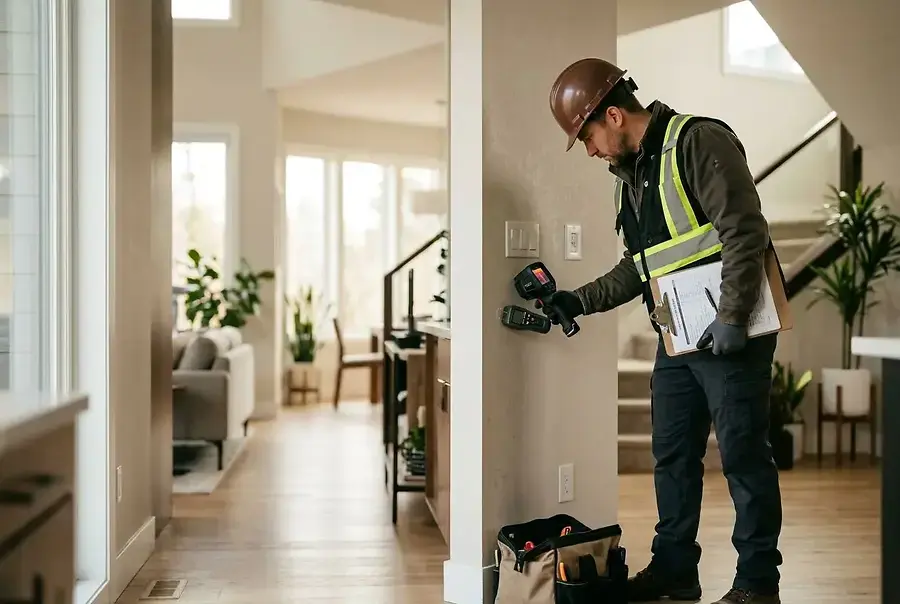
Why Home Inspections Matter for Residential Purchases
Purchasing a home is one of the most significant financial decisions you'll make in your lifetime. A professional home inspection serves as your safeguard, providing an objective assessment of the property's condition before you commit to the purchase. Home inspections are essential for identifying hidden defects, structural issues, and safety concerns that may not be visible during a casual walkthrough.
Many first-time homebuyers underestimate the importance of inspections, viewing them as an optional expense. However, a thorough inspection can reveal costly problems that could save you thousands of dollars in unexpected repairs after closing. An inspector acts as your advocate, examining every major system in the home and providing detailed documentation of their findings.
What Inspectors Look For: Common Issues Found in Residential Properties
Structural and Foundation Problems
Inspectors carefully examine the foundation, walls, and overall structural integrity of the home. Common issues include cracks in the foundation, settling, water damage, and signs of previous repairs. These problems can be expensive to fix and may indicate deeper issues with the property's stability.
Roofing and Exterior Conditions
The roof is one of the most critical components of any home. Inspectors assess:
- Shingle condition and age
- Flashing around chimneys and vents
- Gutters and drainage systems
- Exterior siding and caulking
- Windows and doors for proper sealing
A roof nearing the end of its lifespan may require replacement within a few years, which is an important factor in your purchasing decision.
Plumbing and Water Systems
Water-related issues are among the most common and costly problems found during inspections. Inspectors check for leaks, water pressure issues, outdated pipes, and signs of water damage throughout the property. They also evaluate the water heater's condition and efficiency.
Electrical Systems
A thorough electrical inspection ensures the home's wiring is safe and up to code. Inspectors look for outdated panels, improper grounding, insufficient outlets, and potential fire hazards. Electrical issues can pose serious safety risks and should never be overlooked.
HVAC and Climate Control
The heating, ventilation, and air conditioning systems are vital for comfort and energy efficiency. Inspectors assess the age of the equipment, maintenance history, and overall functionality. Replacing an HVAC system can be a substantial expense, so understanding its condition is crucial.
Insulation and Ventilation
Proper insulation and ventilation affect energy efficiency and indoor air quality. Inspectors check attic insulation levels, ventilation in bathrooms and kitchens, and signs of moisture problems that could lead to mold growth.
How to Prepare for Your Inspection and Understand the Report
Before the Inspection
Preparation is key to getting the most value from your inspection. Ensure the property is accessible, utilities are on, and the home is reasonably clean. Make a list of any concerns or areas you'd like the inspector to pay special attention to. If possible, attend the inspection in person—this gives you the opportunity to ask questions and learn about the home's systems directly from the professional.
During the Inspection
A typical home inspection takes two to four hours, depending on the property's size and age. Stay engaged during the process by following the inspector and taking notes. Ask questions about anything you don't understand, and request clarification on any concerns that arise.
Understanding Your Inspection Report
The inspection report is a detailed document that categorizes findings by severity. Most reports use classifications such as:
- Critical Issues: Safety hazards or major structural problems requiring immediate attention
- Major Issues: Significant defects that will likely need repair soon
- Minor Issues: Small problems that don't require urgent action but should be addressed eventually
- Observations: Notes about the home's condition and maintenance recommendations
Take time to thoroughly review the report and research any unfamiliar terms or issues.
Understanding the inspection report empowers you to make informed decisions about your purchase and negotiate repairs or credits with the seller.
Next Steps After Inspection
Once you receive the report, you have several options:
- Request the seller make repairs before closing
- Negotiate a credit toward repairs you'll handle yourself
- Request a price reduction based on the inspection findings
- Walk away from the deal if critical issues are discovered
Many purchase agreements include an inspection contingency period, giving you time to review findings and decide how to proceed.
Using Inspection Results to Make Informed Buying Decisions
The inspection report is a powerful tool for making your final purchasing decision. Don't let inspection results discourage you automatically—every home has some issues. The key is understanding which problems are deal-breakers and which are manageable.
Consider the age of the home, its location, and the overall market when evaluating inspection findings. A fifty-year-old home will naturally have more wear than a newer property. However, critical safety issues should never be ignored, regardless of the home's age or price.
Use the inspection report to budget for future maintenance and repairs. This information helps you make a realistic assessment of the true cost of homeownership for that specific property. Factor in the expense of addressing major issues when determining whether the purchase price is fair.
Finally, consider hiring specialists for any areas of significant concern. If the inspector identifies potential mold, structural damage, or other serious issues, a specialized inspector can provide more detailed analysis and repair estimates.
A home inspection is an investment in your peace of mind and financial security. By understanding what inspectors look for, preparing adequately, and carefully reviewing the results, you'll be equipped to make an informed decision about one of the most important purchases of your life.