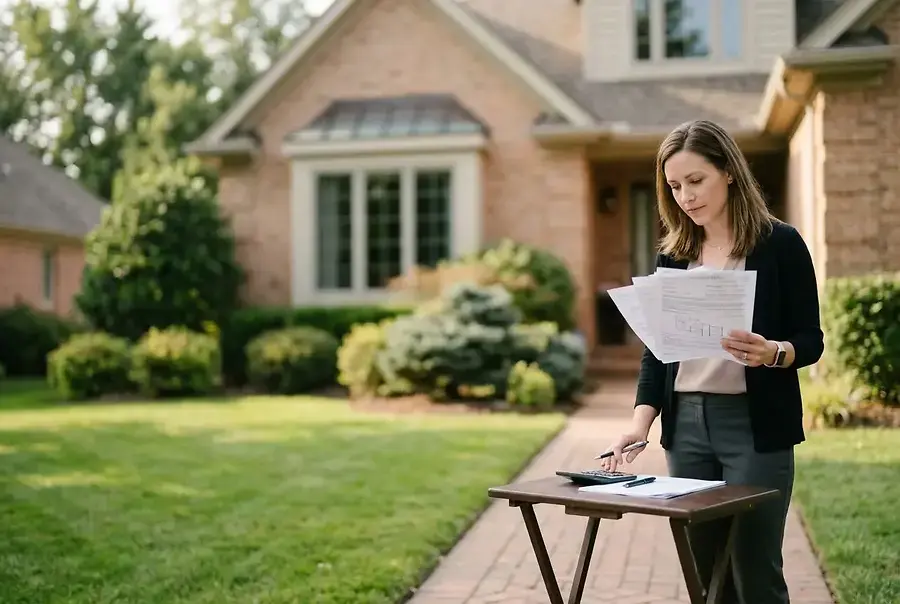
The Impact of Property Taxes on Your Home's True Cost
Property taxes represent one of the largest ongoing expenses for homeowners, yet many don't fully understand how they're calculated or what options exist to reduce them. Unlike a mortgage payment that eventually ends, property taxes continue indefinitely, making them a critical component of your home's true cost of ownership. For many homeowners, property taxes can account for 1-2% of their home's value annually, translating to thousands of dollars each year.
Understanding your property tax obligations isn't just about knowing what you owe—it's about taking control of your financial future. By learning how assessments work and exploring legitimate reduction strategies, you can potentially save significant money over your homeownership journey.
How Property Tax Assessments Are Determined and What Affects Your Rate
The Assessment Process
Property tax assessments begin with local assessors evaluating your home's value. This process typically involves:
- Physical inspections: Assessors examine your property's size, condition, and features
- Comparable sales analysis: Recent sales of similar properties in your area are reviewed
- Market data evaluation: Current real estate trends and neighborhood conditions are considered
- Income approach: For rental properties, potential income generation is assessed
The assessed value is then multiplied by your local tax rate to determine your annual property tax bill. This rate varies significantly by location, with some areas charging substantially more than others.
Key Factors Affecting Your Assessment
Several elements influence how your property is assessed:
- Home size and square footage: Larger homes typically receive higher assessments
- Age and condition: Newer homes or those in excellent condition may be valued higher
- Location and neighborhood: Desirable areas command higher property values
- Recent renovations: Major improvements can increase your assessed value
- Comparable properties: Similar homes in your area set the benchmark for valuation
- Local market conditions: Rising or falling real estate markets affect assessments
It's important to note that assessed value and market value aren't always the same. Assessments may lag behind actual market conditions, sometimes undervaluing or overvaluing your property.
Legitimate Ways to Challenge Assessments and Reduce Your Tax Liability
Review Your Assessment Notice
Start by carefully examining your property tax assessment notice. Look for:
- Incorrect property details (square footage, lot size, number of rooms)
- Inaccurate descriptions of your home's condition
- Missing exemptions you may qualify for
- Significant jumps in assessed value from previous years
Many assessment errors are simple mistakes that can be corrected with proper documentation.
File a Formal Appeal
If you believe your assessment is unfair, most jurisdictions allow formal appeals. The process typically involves:
- Gathering evidence: Collect comparable sales data, recent appraisals, and documentation of property defects
- Meeting deadlines: Submit appeals within your jurisdiction's specified timeframe
- Presenting your case: Attend hearings and clearly explain why you believe the assessment is incorrect
- Following procedures: Adhere to your local assessment appeal board's specific requirements
Professional appraisals can be powerful evidence in appeals. If your home's market value is significantly lower than its assessed value, an independent appraisal strengthens your case considerably.
Explore Tax Exemptions and Credits
Many homeowners overlook valuable exemptions and credits available in their area:
- Homestead exemptions: Primary residence exemptions that reduce assessed value
- Senior citizen exemptions: Special reductions for homeowners over a certain age
- Disability exemptions: Tax relief for disabled homeowners
- Agricultural exemptions: Reduced rates for properties used for farming
- Historic property credits: Incentives for maintaining historic homes
Contact your local assessor's office to determine which exemptions apply to your situation.
Document Property Defects
If your home has significant defects or deferred maintenance, document them thoroughly. Issues that can lower assessments include:
- Structural problems or foundation issues
- Outdated systems (plumbing, electrical, HVAC)
- Roof damage or needed repairs
- Environmental concerns or hazards
- Neighborhood decline or undesirable conditions
Professional inspections and repair estimates provide compelling evidence during appeals.
Monitor Market Changes
If your local real estate market has declined, your assessment may no longer reflect current conditions. Gather recent comparable sales data showing lower property values in your area. This evidence is particularly valuable during assessment appeals.
Taking Control of Your Property Tax Future
Property taxes don't have to be an unavoidable burden. By understanding how assessments work and actively engaging with the process, homeowners can potentially reduce their tax liability significantly. The key is taking action rather than passively accepting your assessment.
Start by reviewing your assessment notice carefully, then determine which strategies apply to your situation. Whether filing an appeal, exploring exemptions, or documenting property defects, your efforts can result in meaningful savings.
Remember that property tax laws and procedures vary by jurisdiction, so consulting with a local tax professional or assessor's office can provide valuable guidance specific to your area. With knowledge and persistence, you can navigate the property tax system effectively and protect your financial interests as a homeowner.