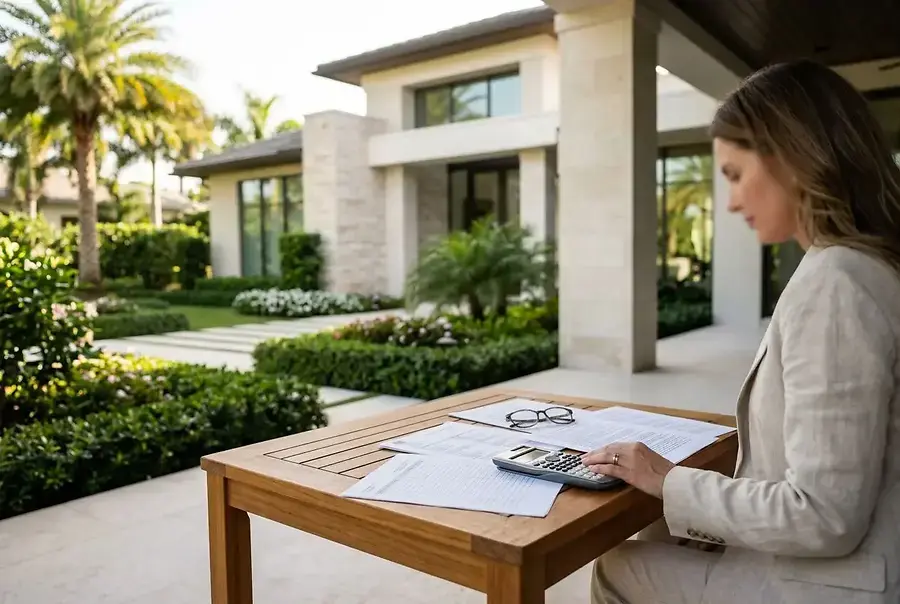
Property Tax Fundamentals in Palm Beach Gardens
Property ownership in Palm Beach Gardens comes with significant financial responsibilities, and understanding your tax obligations is crucial for making informed investment decisions. As one of Florida's most affluent communities, Palm Beach Gardens features some of the state's highest property values, which directly impacts the tax implications for homeowners and investors alike.
Florida's property tax system is based on the assessed value of your property multiplied by the millage rate set by local government entities. In Palm Beach Gardens, property taxes fund essential services including schools, infrastructure, emergency services, and community development. Unlike many states, Florida offers homeowners certain exemptions and protections that can significantly reduce your annual tax burden.
Understanding the Basics
The fundamental principle behind property taxation in Palm Beach Gardens is straightforward: your annual tax bill equals your property's assessed value multiplied by the applicable millage rate. However, the complexity lies in understanding how assessments are determined and what exemptions you may qualify for.
Key components of property taxation include:
- Assessed value of your property
- Homestead exemption eligibility
- Millage rates from county and local entities
- Special assessments and district taxes
- Agricultural or other property-specific exemptions
How Property Assessments Are Determined and What Affects Your Tax Bill
The Assessment Process
The Palm Beach County Property Appraiser's office is responsible for determining the assessed value of all properties in the county. This assessment is not the same as your property's market value, though it's often based on comparable sales and market conditions.
Assessors evaluate numerous factors when determining your property's value, including:
- Location and neighborhood characteristics - Proximity to amenities, schools, and waterfront access significantly impacts value
- Property size and lot dimensions - Square footage, acreage, and lot configuration affect assessments
- Age and condition of structures - Newer homes and well-maintained properties typically receive higher valuations
- Recent sales of comparable properties - The appraiser uses recent transactions to establish fair market values
- Improvements and upgrades - Renovations, pools, and other enhancements increase assessed value
- Zoning and land use - Commercial or mixed-use properties have different assessment criteria
What Affects Your Tax Bill
Beyond the assessed value, several factors influence your final property tax bill. The millage rate, which varies by location within Palm Beach Gardens, directly multiplies your assessed value. Different taxing districts—including the school board, county government, and municipal services—each add their own millage rates to your bill.
Property owners in Palm Beach Gardens should review their assessment notices carefully, as errors in property characteristics or square footage can lead to inflated tax bills.
Special assessments may also apply if your property is in a community development district or benefits from specific infrastructure improvements. These assessments fund projects like road construction, drainage systems, or community amenities and can add substantially to your annual tax obligation.
Strategies to Minimize Tax Burden and Appeal Assessments
Maximize Available Exemptions
Florida's homestead exemption is one of the most valuable tax benefits available to property owners. If you own a home in Palm Beach Gardens and use it as your primary residence, you may qualify for an exemption that reduces your assessed value by up to $50,000. This exemption can result in significant annual savings.
To qualify for homestead exemption, you must:
- Own the property and reside there as your primary residence
- Be a Florida resident
- Apply through the Property Appraiser's office
- Maintain your residency status throughout the year
Additional exemptions may be available for seniors, disabled individuals, veterans, and those with agricultural properties. Investigate all exemptions applicable to your situation.
Challenge Your Assessment
If you believe your property has been overassessed, you have the right to appeal. The formal appeal process begins with filing a petition with the Value Adjustment Board (VAB) in Palm Beach County. You'll need to provide evidence supporting your claim, such as recent appraisals, comparable sales data, or documentation of property defects.
The appeal process typically involves:
- Gathering documentation and comparable property information
- Filing a formal petition within the specified timeframe
- Presenting your case to the Value Adjustment Board
- Receiving a decision and potentially appealing further if necessary
Work with Professionals
Consider hiring a property tax consultant or real estate attorney who specializes in assessments and appeals. These professionals understand local market conditions, assessment methodologies, and can effectively present your case to the appraiser or Value Adjustment Board. While there's a cost involved, successful appeals often result in savings that far exceed professional fees.
Monitor Your Property Assessment
Review your property assessment notice annually. Look for errors in property characteristics, square footage, number of rooms, or other details. Even small mistakes can inflate your assessed value. If you notice discrepancies, contact the Property Appraiser's office immediately to request corrections.
Plan for Future Improvements
Before undertaking major renovations or additions, understand how these improvements will affect your assessed value and tax bill. While upgrades increase your property's market value and enjoyment, they also trigger reassessment. Factor potential tax increases into your renovation budget.
Making Informed Financial Decisions as a Property Owner
Property taxes represent a significant ongoing cost of homeownership in Palm Beach Gardens. By understanding how assessments work, actively managing your tax obligations, and utilizing available exemptions and appeals, you can make strategic decisions that protect your investment and minimize unnecessary expenses.
Key takeaways for Palm Beach Gardens property owners:
- Understand your assessment notice and the factors influencing your tax bill
- Apply for all exemptions you qualify for, particularly the homestead exemption
- Review your assessment annually for errors and inaccuracies
- Don't hesitate to appeal if you believe your property is overassessed
- Work with professionals when necessary to protect your financial interests
- Factor property taxes into your long-term investment strategy
Navigating property taxes and assessments requires diligence and knowledge, but the effort pays dividends. By taking an active role in understanding and managing your property tax obligations, you'll make better-informed decisions about your real estate investments in this desirable Florida community. Stay informed, stay proactive, and protect your financial interests as a Palm Beach Gardens property owner.