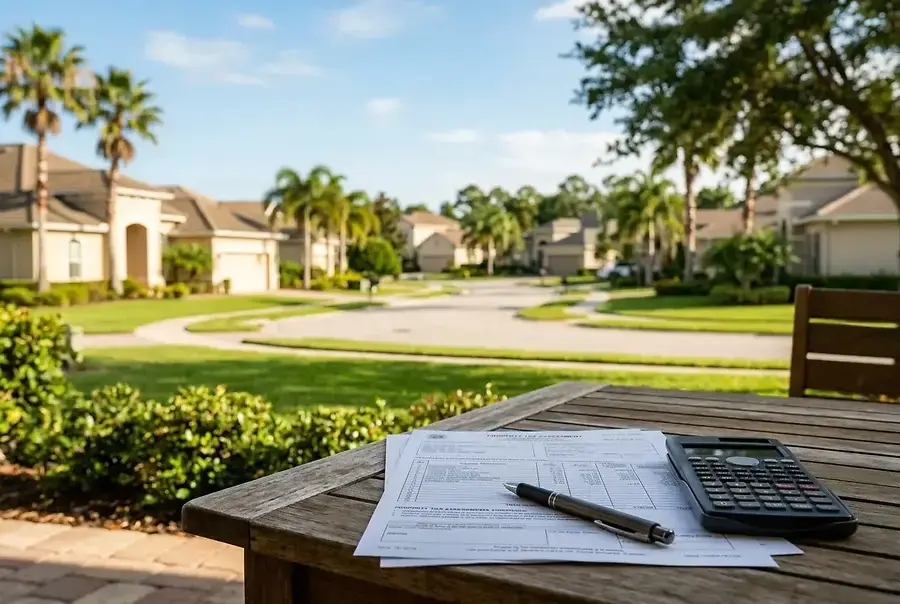
How Property Taxes Work in Florida's Residential Markets
Property taxes in Florida are calculated based on the assessed value of your home multiplied by the millage rate set by your county. Unlike many states, Florida has no state income tax, which means local governments rely heavily on property tax revenue to fund schools, infrastructure, and public services. Understanding this fundamental structure is crucial for anyone considering purchasing a home or managing their current property investment in Central Florida.
The assessed value of your property is determined by the county property appraiser's office, which evaluates your home based on recent sales of comparable properties, the condition of your home, and improvements you've made. This assessment typically occurs annually, though the increase in assessed value is capped at a maximum of 3% per year under Florida's Save Our Homes Amendment, unless the property changes ownership.
The Assessment Process
When you purchase a property, the assessed value resets to the market value at the time of sale. This means new homeowners often experience a significant jump in their property tax bills compared to long-time residents who have benefited from the 3% annual cap. It's important to factor this into your budget when planning to buy in Central Florida.
Millage rates vary by county and can include taxes for county government, schools, fire departments, and special districts. These rates are set annually by local governments and can fluctuate based on budget needs and community priorities.
Homestead Exemptions and Tax Breaks for Primary Residences
One of the most valuable benefits available to Florida homeowners is the homestead exemption. This exemption reduces the assessed value of your primary residence, which directly lowers your property tax bill. To qualify, your home must be your permanent residence, and you must apply through your county property appraiser's office.
Understanding Homestead Exemption Benefits
The homestead exemption provides a $50,000 exemption on the assessed value of your home for most homeowners. This means if your home is assessed at $300,000, only $250,000 is subject to taxation. For homeowners age 65 and older, or those who are disabled or veterans, additional exemptions may be available, potentially reducing the taxable value even further.
Beyond the standard exemption, Florida offers several other tax breaks for homeowners:
- Widow/Widower Exemption: Surviving spouses of homeowners who received a homestead exemption may continue to receive the exemption
- Disability Exemption: Additional exemptions for permanently and totally disabled persons
- Veteran Exemptions: Disabled veterans may qualify for substantial exemptions based on their disability rating
- Senior Citizen Exemptions: Additional exemptions for homeowners age 65 and older
How to Apply for Homestead Exemption
Applications must typically be submitted to your county property appraiser's office by March 1st to take effect for that tax year. You'll need to provide proof of residency, such as a driver's license or utility bill, along with the application form. Many counties now offer online applications, making the process more convenient for homeowners.
Comparing Tax Implications Across Orlando, Tampa Bay, and Davenport
Property tax rates vary significantly across Central Florida counties, making location an important consideration when purchasing a home. Understanding these differences can help you make more informed decisions about where to invest.
Orange County (Orlando Area)
Orange County, home to Orlando, has millage rates that typically range from 8 to 9 mills per $1,000 of assessed value. The county includes both urban and suburban areas, with varying property values and tax implications. First-time homebuyers should be aware that property taxes in Orlando can be substantial, particularly for newer homes that haven't benefited from the Save Our Homes cap.
Hillsborough County (Tampa Bay Area)
Hillsborough County, which includes Tampa, generally has slightly lower millage rates compared to Orange County, typically ranging from 7.5 to 8.5 mills. This can result in meaningful savings for homeowners, particularly on higher-value properties. The Tampa Bay area has experienced significant growth, which can affect property assessments and tax bills.
Polk County (Davenport and Surrounding Areas)
Polk County, which includes Davenport and Lakeland, often features some of the more competitive property tax rates in Central Florida, with millage rates typically between 7 and 8 mills. This, combined with generally lower property values compared to Orlando and Tampa, can make Polk County an attractive option for budget-conscious homebuyers.
Comparing Your Options
When evaluating different communities, calculate your estimated annual property tax by multiplying your home's assessed value by the applicable millage rate divided by 1,000. For example, a $300,000 home in a county with an 8.5 mill rate would have an annual tax of approximately $2,550 before exemptions. Don't forget to factor in the homestead exemption, which can reduce this amount significantly.
Planning Your Budget: Tax Considerations for Buyers and Current Homeowners
Whether you're a first-time homebuyer or a current homeowner, incorporating property tax planning into your overall financial strategy is essential for long-term success.
For Prospective Buyers
When shopping for homes in Central Florida, include estimated property taxes in your total cost of ownership calculations. Many buyers focus solely on mortgage payments and overlook the impact of property taxes on their monthly budget. Request a property tax estimate from the seller's agent or contact the county property appraiser's office directly.
Consider the long-term implications of purchasing a newly assessed property versus an older home. While a new home might have modern features, you'll pay taxes on its full market value. An older home with an established homestead exemption might offer better tax efficiency.
For Current Homeowners
If you haven't already applied for a homestead exemption, do so immediately. This is one of the most straightforward ways to reduce your property tax burden. Review your property assessment annually to ensure it's accurate. If you believe your home has been overvalued, you have the right to file a formal protest with your county property appraiser.
Stay informed about changes in millage rates and budget decisions in your community. Attending county commission meetings or reviewing local government websites can help you understand how tax dollars are being allocated and anticipate future changes.
Strategic Planning Tips
- Set aside funds monthly for property taxes to avoid surprises when bills arrive
- Review your property assessment annually for accuracy
- Ensure you're receiving all exemptions for which you qualify
- Consider the tax implications when making home improvements
- Stay informed about local tax policy changes and millage rate adjustments
Property taxes are a significant component of homeownership costs in Central Florida, but with proper planning and understanding of available exemptions, you can effectively manage this expense. By educating yourself about how taxes work in your specific county and taking advantage of all available benefits, you'll be better positioned to make sound financial decisions about your home investment.